


How to Read the Mr. Terupt Series in Order
The Mr. Terupt series, written by former schoolteacher Rob Buyea, has captured the hearts of middle-grade readers, educators, and adults alike. Told through the alternating perspectives of seven distinct students, the series chronicles the trials, triumphs, and life-changing lessons under the guidance of an extraordinary teacher, Mr. Terupt. Because the books follow a linear timeline matching the students' school grades, the chronological order is identical to the publication order.
Here is the recommended reading path for the core series:
- Because of Mr. Terupt (2010): Set during the students' fifth-grade year at Snow Hill School. The story introduces the class, their inspiring new teacher, and the emotional fallout of a tragic winter accident.
- Mr. Terupt Falls Again (2012): Follows the seven main characters as they enter sixth grade, dealing with more mature personal issues, secrets, and preparation for junior high.
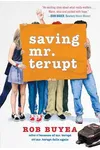
- Saving Mr. Terupt (2015): Set in seventh grade. The students are now adjusting to the challenges of a new junior high school environment while embarking on a collaborative mission to help Mr. Terupt through a personal crisis.
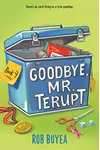
- Goodbye, Mr. Terupt (2020): Set in eighth grade. The final year of middle school brings bittersweet projects, bucket-list achievements, and a warm, emotional send-off to their classroom mentor.
The Next Chapter: A 2026 Expansion
In addition to the original tetralogy, Rob Buyea has expanded the universe with a direct companion novel:
- Because of Our Student Teacher (2026): This book returns to the classroom setting, this time focusing on fifth graders at Baxter Elementary School. The class is struggling under an indifferent teacher until a familiar face from the original series—Peter Jacobs, now grown up—arrives as their energetic new student teacher.
What to Know Before You Start
Before diving into the books, it helps to understand the unique structure of the series. The narrative is divided among seven viewpoints in every chapter. Rather than focusing on one main protagonist, the books show how one classroom community reacts to the same events. The writing style evolves alongside the characters, starting with relatively simple pre-teen concerns in fifth grade and maturing into deeper themes of grief, family instability, and academic pressure by the eighth-grade finale.
While the first book can technically function as a standalone novel with a self-contained ending, the subsequent three books are deeply dependent on character history and continuity. For the best experience, you should read them in order to appreciate the long-term character growth and shifting relationships.
Meet the Class of Room 202
Understanding the seven main student narrators is key to appreciating the series' dynamic. Rob Buyea drew from his own classroom experience to craft these archetypes:
- Peter: The class clown and prankster whose impulsive actions drive major plot points, including the central accident in the first book.
- Jessica: The mature, book-loving new girl who recently moved from California following her parents' divorce.
- Luke: The academic high-achiever ("the brainiac") who loves science projects and analytical challenges.
- Alexia: The unpredictable "mean girl" whose bullying behavior hides deep-seated insecurities.
- Danielle: A sensitive, kind-hearted girl who struggle with self-confidence and family expectations.
- Anna: A quiet, introspective student who tries to remain invisible due to social stigma surrounding her family.
- Jeffrey: A quiet student who carries heavy personal guilt and initially struggles to engage with schoolwork.
Companion Series and Standalone Novels
If you have finished the Mr. Terupt books and want more stories with similar themes, Rob Buyea has written several other works focusing on middle-school life, friendship, and personal development:
The Perfect Score Series
This is a separate middle-grade trilogy set at Lake View Middle School. While it features a brand-new cast of characters, it utilizes the same multi-POV storytelling structure to explore the pressures of standardized testing, school sports, and family relationships.
- The Perfect Score (2017)
- The Perfect Secret (2018)
- The Perfect Star (2019)
Standalone Novels
- What Comes Next (2021): A heartfelt story about a young girl named Thea who uses her love of dogs and baking to cope with trauma and transition to a new school.
- The Daredevils (2022): Follows twins Loretta and Waylon as they navigate middle school alongside a homeschooled friend, taking on daring personal challenges.
- Carter Avery's Tricky Fourth-Grade Year (2024): A humorous and empathetic look at elementary school struggles.