









The Perfect Recipe: Where to Start with Nero Wolfe
With 33 novels and dozens of novellas published over four decades, diving into the legendary detective world of Nero Wolfe can feel as daunting as planning a state banquet. Fortunately, creator Rex Stout designed these mysteries to be highly accessible. Because each book features a self-contained case, you can pick up almost any volume and enjoy the ride. However, to truly appreciate the evolving relationships and cozy routines inside the West 35th Street brownstone, there are three recommended starting paths:
- The Chronological Debut: Start at the very beginning with Fer-de-Lance (1934). This novel introduces the brilliant, homebound, orchid-obsessed Nero Wolfe and his cynical, street-smart assistant Archie Goodwin. It sets the template for the entire series, establishing their famous partnership.
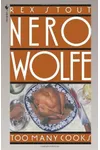
- The Gourmet Classic: If you want to experience the series at its culinary peak, begin with Too Many Cooks (1938). This novel takes Wolfe out of his Manhattan comfort zone to a gathering of master chefs in West Virginia, blending high-society culinary drama with a beautifully constructed locked-room mystery.
- The Ultimate Arc (The Zeck Trilogy): While most books stand alone, Rex Stout wrote one overarching narrative arc featuring the criminal mastermind Arnold Zeck (Wolfe's version of Professor Moriarty). You should absolutely read this trilogy in order:
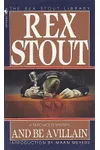
- And Be a Villain (1948)
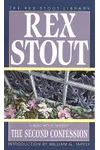
- The Second Confession (1949)
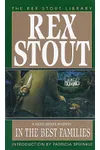
- In the Best Families (1950)
A Note on Novels vs. Novellas
In addition to his full-length novels, Stout was a master of the novella format. Most of these shorter works were originally published in magazines like The American Magazine before being collected in groups of three (such as Black Orchids or Trouble in Triplicate). In recent years, publishers have released individual digital and audio versions of these stories, which explains why bibliographies sometimes list standalone dates like 1997, 2013, or 2015 for individual novellas. For the best experience, you can read these either via their classic compiled collections or as individual standalone stories.
The Rex Stout Nero Wolfe Canon in Publication Order
Following the publication order allows you to watch the mid-century New York backdrop shift from the Great Depression to the post-war era, while the characters themselves remain delightfully timeless. Below is the complete original run by Rex Stout:
- Fer-de-Lance (1934)
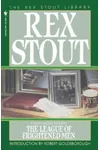
- The League of Frightened Men (1935)
- The Rubber Band (1936)
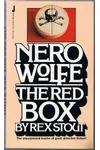
- The Red Box (1937)
- Too Many Cooks (1938)
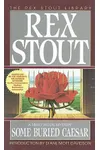
- Some Buried Caesar (1939)
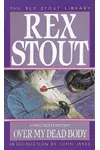
- Over My Dead Body (1940)
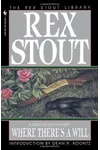
- Where There's a Will (1940)
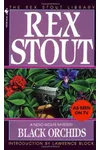
- Black Orchids (1942) - First major novella collection
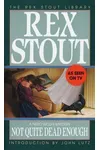
- Not Quite Dead Enough (1944)
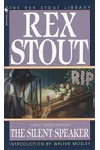
- The Silent Speaker (1946)
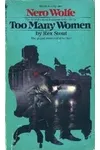
- Too Many Women (1947)
- And Be a Villain (1948) - Start of the Zeck Trilogy
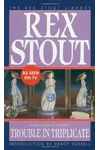
- Trouble in Triplicate (1949)
- The Second Confession (1949) - Part two of the Zeck Trilogy
- Even in the Best Families (1950) - Conclusion of the Zeck Trilogy
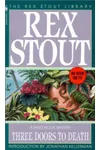
- Three Doors to Death (1950)
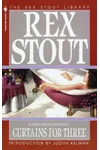
- Curtains for Three (1951)
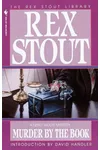
- Murder by the Book (1951)
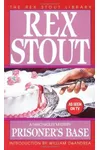
- Prisoner's Base (1952)
- Triple Jeopardy (1952)
- The Golden Spiders (1953)
- The Black Mountain (1954)
- Three Men Out (1954)
- Before Midnight (1955)
- Might as Well Be Dead (1956)
- Three Witnesses (1956)
- If Death Ever Slept (1957)
- Three for the Chair (1957)
- And Four to Go (1958)
- Champagne for One (1958)
- Plot it Yourself (1959)
- Three at Wolfe's Door (1960)
- Too Many Clients (1960)
- The Final Deduction (1961)
- Homicide Trinity (1962)
- Gambit (1962)
- The Mother Hunt (1963)
- Trio for Blunt Instruments (1964)
- A Right to Die (1964)
- The Doorbell Rang (1965) - Notable for pitting Wolfe directly against the FBI
- Death of a Doxy (1966)
- The Father Hunt (1968)
- Death of a Dude (1969)
- Please Pass The Guilt (1973)
- A Family Affair (1975) - The final Rex Stout Nero Wolfe novel
- Death Times Three (1985) - Posthumous collection featuring the first book publication of 'Bitter End'
The Standalone Novellas and Short Stories
While many of these stories were originally anthologized in the collections listed above, they are often sought out individually by collectors or digital readers. These include key tales such as:
- Bitter End (Originally published in 1940; first book collection in 1985)
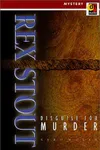
- Disguise for Murder / The Twisted Scarf (Originally published in 1950)
- Booby Trap (Originally published in 1944)
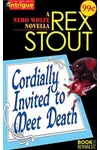
- Cordially Invited to Meet Death (Originally published in 1942)
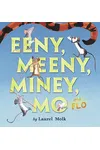
- Eeny, Meeny, Miney, Mo, and FLO! (Originally published in 1962)
- The Last Drive: And Other Stories (A 2015 collection containing Stout's early pulp mysteries, including the title story that inspired the creation of Wolfe)
Passing the Magnifying Glass: Robert Goldsborough's Continuation Series
After Rex Stout's death in 1975, the Wolfe pack was left longing for more adventures. Fortunately, author Robert Goldsborough stepped in with the blessing of the Stout estate, capturing Archie's distinct voice and Wolfe's grand mannerisms. Goldsborough has written a highly regarded continuation series, including prequels like Archie Meets Nero Wolfe, which shows how the iconic duo first joined forces.
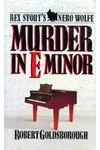
- Murder in E Minor (1986)
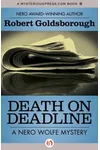
- Death on Deadline (1987)
- The Bloodied Ivy (1988)
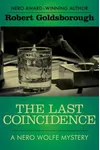
- The Last Coincidence (1989)
- Fade to Black (1990)
- Silver Spire (1992)
- The Missing Chapter (1993)
- Archie Meets Nero Wolfe (2012) - Prequel showing the origins of the partnership
- Murder in the Ball Park (2014)
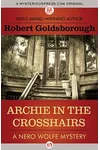
- Archie in the Crosshairs (2015)
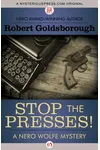
- Stop the Presses! (2016)
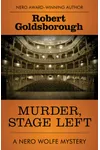
- Murder, Stage Left (2017)
- The Battered Badge (2018)
- Death of an Art Collector (2019)
- Archie Goes Home (2020)
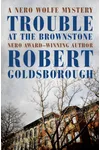
- Trouble at the Brownstone (2021)
- The Missing Heiress (2023)
What to Know Before You Start
Nero Wolfe stories are as much about their routine and settings as they are about the puzzles themselves. Keep an eye out for Fritz Brenner, Wolfe's unparalleled personal chef, and Theodore Horstmann, the long-suffering orchid nurse. The tension between Wolfe's extreme reluctance to leave his brownstone and Archie's restless legwork forms the comedic and narrative backbone of the entire series. Because of this static status quo, the characters do not age significantly, making the series a wonderfully consistent comfort read.