
Where to Start with Net Force
If you want to dive into the high-tech, action-packed world of Net Force, you have two primary entry points depending on your preference for tech eras. Since the series is split between a retro-futuristic original run and a modern, high-tech reboot, here is how you should decide where to begin:
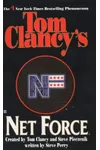
- The Classic Route: Start with the original novel, Net Force (1998). Written during the late-90s internet boom, this run delivers classic techno-thriller vibes, imagining a "futuristic" 2010 where the FBI's elite cyber division fights crime in a virtual reality landscape known as "veeyar." It is the best starting point if you want to experience the series as it was originally conceived.
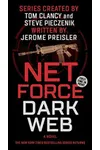
- The Modern Relaunch Route: Start with Net Force: Dark Web (2019). Relaunched by Jerome Preisler, this stream updates the tech to our current era of dark web exploits, drone strikes, and state-sponsored cyber warfare. It is a cleaner entry point if you prefer modern, fast-paced political thrillers without the retro-futuristic virtual reality jargon.
The Core Net Force Series Order
The main series consists of the original ten novels (published between 1998 and 2006) and the relaunch books and novellas (from 2019 onward). We recommend reading both blocks in publication order to appreciate how the franchise’s vision of cybersecurity has evolved.
The Original Run (1998–2006)
Created by Tom Clancy and Steve Pieczenik, and written primarily by Steve Perry, the classic series introduces the Net Force division, led by Commander Alex Michaels and programming genius Jay Gridley. Here is the order of the original books:
- Net Force (1998): Following a devastating cyber-attack and the assassination of the Net Force commander, Alex Michaels takes charge to prevent a global digital collapse.
- Hidden Agendas (1998): A new threat emerges within the virtual network as secret forces try to manipulate international markets.
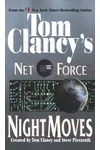
- Night Moves (1999): Net Force must track down a brilliant hacker who has found a way to cause physical strokes through virtual reality interfaces.
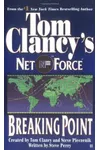
- Breaking Point (2000): The team tracks a cyber-criminal mastermind who has developed a technology that can override any computer system on Earth.
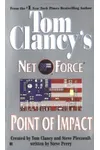
- Point of Impact (2001): A deadly game of digital cat-and-mouse begins when Net Force investigates high-tech weapon systems sabotage.
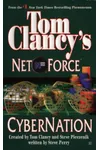
- CyberNation (2001): An extremist group attempts to establish a sovereign virtual country, using cyber-terrorism to force global recognition.
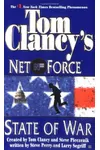
- State of War (2003): The division faces a terrifying weapon that uses electromagnetic pulses to cripple national infrastructure.
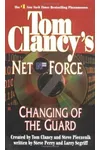
- Changing of the Guard (2003): When the leadership of Net Force shifts, the team must secure classified networks from a rogue insider.
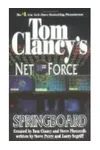
- Springboard (2005): The team confronts an international conspiracy involving military intelligence and experimental cybernetic warfare.
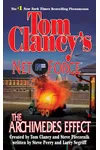
- The Archimedes Effect (2006): The final book of the original run follows a desperate search for a hidden military program that could start a digital world war.
The Relaunch Series (2019–Present)
In 2019, author Jerome Preisler revived the franchise with a contemporary twist. In this relaunch, the team is re-established to counter modern threats like ransomware, autonomous drones, and localized dark web networks. Read them in this order:
- Net Force: Dark Web (2019): The brand-new Net Force team tracks a mysterious cyber-criminal syndicate operating from the shadows of Europe.
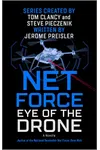
- Eye of the Drone (2020): A fast-paced novella that bridges the gap between major operations, focusing on the tactical deployment of modern unmanned aerial vehicles.
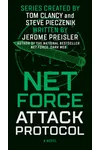
- Attack Protocol (2020): The team faces a devastating coordinated attack that targets global financial institutions and defense systems.
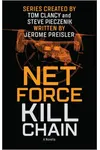
- Kill Chain (2021): This gripping novella serves as a crucial mid-point connection, focusing on a race against time to prevent a defense contractor data breach.
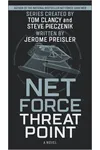
- Threat Point (2021): Net Force goes head-to-head with hostile intelligence agencies in a struggle over high-seas communication lines.
- Moving Target (2022): The latest installment follows the team as they protect a high-profile defector holding keys to a global hacking network.
The Young Adult Spin-Off: Net Force Explorers
To capture younger readers during the tech boom, the creators launched the Net Force Explorers spin-off. Set in the same universe, the series follows the teenage members of a youth auxiliary group who assist Net Force by testing virtual worlds and policing teen-related digital crimes. Unlike the core novels, these were written by a rotating roster of talented authors, including Diane Duane, Bill McCay, and Mel Odom.
Here is the complete publication order of the Net Force Explorers books:
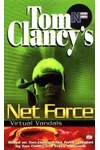
- Virtual Vandals (1998) (by Diane Duane): The debut introduces the young explorers as they deal with virtual sabotage.
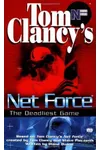
- The Deadliest Game (1998) (by Diane Duane): Duane explores virtual role-playing games that turn deadly.
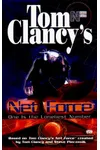
- One is the Loneliest Number (1999) (by Diane Duane): Duane dives into themes of isolation and hacking.
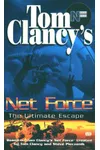
- The Ultimate Escape (1999) (by Mark Cerasini): Cerasini takes the helm for a story about virtual prison breaks.
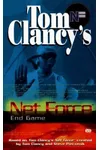
- End Game (1999) (by Diane Duane): Duane brings the team back to handle a high-stakes scenario.
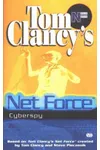
- Cyberspy (1999) (by Bill McCay): McCay focuses on espionage in the virtual world.
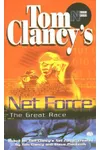
- The Great Race (1999) (by Bill McCay): McCay covers a high-stakes virtual race that gets hijacked by cyber-criminals.
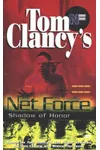
- Shadow of Honor (2000) (by Mel Odom): Odom introduces familial conflicts and cyber defense.
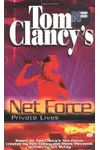
- Private Lives (2000) (by Bill McCay): McCay explores the dark side of online privacy invasion.
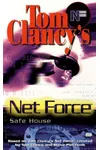
- Safe House (2000) (by Diane Duane): Duane puts the Explorers in a protective custody scenario online.
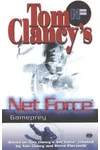
- Gameprey (2000) (by Mel Odom): Odom writes about dangerous game simulations.
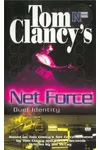
- Duel Identity (2000) (by Bill McCay): McCay crafts a story around stolen identities and virtual duels.
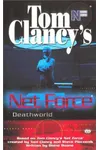
- Deathworld (2000) (by Diane Duane): Duane's explorers must survive a hostile virtual environment.
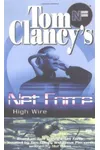
- High Wire (2001) (by Mel Odom): Odom takes the action to virtual high-wire stunts and hacking.
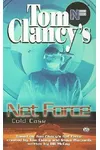
- Cold Case (2001) (by Bill McCay): McCay has the team look into old files with new digital clues.
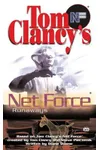
- Runaways (2001) (by Diane Duane): Duane follows runaways who get caught up in virtual crime.
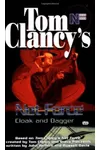
- Cloak and Dagger (2002) (by John Helfers and Russell Davis): Helfers and Davis coordinate a classic spy thriller in the cyber-world.
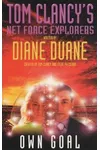
- Own Goal (2002) (by Diane Duane): Duane covers a sports-themed cyber sabotage.
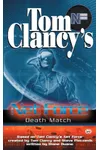
- Death Match (2003) (by Diane Duane): Duane concludes the series with the ultimate showdown in the digital arena.
Chronological Order vs. Publication Order
For almost all readers, the publication order is the most practical way to read the Net Force universe. The timeline naturally follows the real-world evolution of technology:
- The original 1998–2006 novels projected a futuristic 2010 where virtual reality ("veeyar") dominates.
- The Net Force Explorers books run parallel to the early years of the core series, focusing on a younger cast in the same mid-2020s projection. While you can read them alongside the early core books, keeping them separate as a standalone YA run prevents confusing the storylines.
- The 2019 relaunch functions as a soft reboot. While it acknowledges the past legacy of Net Force, it operates in a modern day setting, treating modern tech (smartphones, cloud systems, and real-world cybersecurity threats) as the current standard rather than the sci-fi VR systems of the early novels.
What to Know Before You Start
Before diving into the books, here are a few fun facts and practical pieces of advice to keep in mind:
- The Clancy Connection: While Tom Clancy's name is on the cover, he and Steve Pieczenik created the concept, leaving the actual writing of the original series to Steve Perry and the relaunch to Jerome Preisler. Don't expect the exact same military prose style as the Jack Ryan books, but expect the same level of geopolitical intrigue.
- The Television Movie: In 1999, the series was adapted into a made-for-TV movie simply titled Netforce, starring Scott Bakula as Alex Michaels. While it is a fun piece of late-90s sci-fi nostalgia, it takes several creative liberties and is not required viewing to enjoy the novels.
- The Evolving Tech: Reading the original books today is a fascinating trip through time. You will see characters using interfaces and digital concepts that were cutting-edge projections in 1998 but feel delightfully retro today. Enjoy them for their nostalgic charm and their surprisingly accurate predictions of digital vulnerabilities!