
The Recommended Reading Order for Tami Hoag's Oak Knoll Series
If you are planning to step into the shadowy streets of Oak Knoll, California, you will want to follow a specific path. Tami Hoag designed this series as a tight, sequential trilogy where characters evolve, relationships develop, and the psychological impact of past crimes lingers from one book to the next. Fortunately, the reading order is straightforward, as the publication order perfectly matches the chronological progression of the story.
Here is the recommended reading order for the Oak Knoll series:
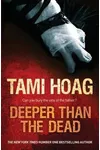
- Deeper Than the Dead (Published in 2008)
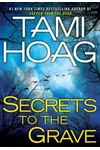
- Secrets to the Grave (Published in 2010)
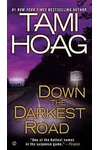
- Down the Darkest Road (Published in 2011)
Why You Must Read the Trilogy in Order
While many crime fiction series feature episodic cases that allow readers to jump in at any point, Oak Knoll is different. It is a highly interconnected trilogy. Read out of sequence, you will miss vital character arcs, major spoilers for the previous mysteries, and the gradual evolution of the core cast. The emotional scars and physical challenges that the characters face in the first book directly influence their choices and motivations in the subsequent installments.
For instance, the central relationship between FBI profiler Vince Leone and schoolteacher Anne Navarre begins in the first book, and their domestic life and professional collaborations are key subplots in the second and third novels. Similarly, Sheriff’s Detective Tony Mendez undergoes a significant personal and professional arc that makes little sense if you read the books out of order.
The Core Trilogy: A Detailed Breakdown
1. Deeper Than the Dead (2008)
The series opens in the mid-1980s in the picturesque, fictional town of Oak Knoll, California. The peace of this quiet community is shattered when four children and their teacher, Anne Navarre, discover the partially buried body of a young woman in a local park. The victim’s eyes and mouth have been glued shut, signaling a deeply disturbed killer at work. This gruesome discovery brings local detective Tony Mendez and pioneering FBI profiler Vince Leone together. As they try to track down the killer, they must also deal with the rising panic of a small town that realizes a monster lives among them.
2. Secrets to the Grave (2010)
The second book plunges readers back into Oak Knoll, where a new nightmare unfolds. Marissa Fordham, a talented but mysterious local artist, is found brutally murdered in her home. The only witness to the crime is her young daughter, Haley, who is left deeply traumatized. Vince Leone, now working alongside Anne Navarre (who has transitioned into a child advocate role), must try to reach the child to uncover the killer's identity. Meanwhile, Tony Mendez digs into Marissa’s past, uncovering a web of lies, hidden identities, and dark secrets that the residents of Oak Knoll would prefer to keep buried.
3. Down the Darkest Road (2011)
The final chapter of the trilogy shifts focus to a mother’s relentless search for justice. Four years after her daughter, Alisa, vanished, Lauren Lawton is still consumed by grief and obsession. She is convinced she knows who took her daughter, but there is no evidence to arrest the suspect. Lauren moves to Oak Knoll to escape her past, but the suspect follows her, initiating a dangerous game of cat and mouse. As Tony Mendez is drawn into the case, the lines between justice and obsession blur, culminating in a tense and emotional finale to the Oak Knoll saga.
The 1980s Setting and Early Forensic Profiling
One of the most distinctive aspects of the Oak Knoll series is its 1980s setting. Tami Hoag intentionally placed the story in this era to strip away modern police luxuries. There are no smartphones, no search engines, no GPS, and, most importantly, no DNA testing to quickly solve the crimes. Detectives must rely on old-school investigative work, gut feelings, and physical evidence.
Furthermore, the series highlights the early days of criminal profiling and forensic psychology. Vince Leone represents the vanguard of this new science, which was viewed with skepticism by traditional law enforcement officers like Tony Mendez. The tension between Mendez’s traditional police work and Leone’s psychological analysis adds an extra layer of depth to the narrative.
Connection to Other Tami Hoag Books
A common question among readers is whether the Oak Knoll books connect to Tami Hoag's other popular thrillers, such as the Minneapolis-based Kovac & Liska series, the Elena Estes books, or the Deer Lake novels. The short answer is no. Oak Knoll is a self-contained universe. The characters, settings, and storylines are independent of her other series, and there are no direct narrative crossovers. You can read the Oak Knoll trilogy without having read any other book in Hoag's extensive bibliography, making it an excellent starting point for readers new to her work.