









The Recommended Reading Path for Olga da Polga
Step into the cozy garden of the Sawdust family, where a small guinea pig with a colossal imagination spins tales of grand adventure. Created by Michael Bond—celebrated worldwide as the creator of Paddington Bear—Olga da Polga is a charming, spunky, and boastful heroine whose stories have enchanted young readers since her debut in 1971. Inspired by the Bond family's own pet guinea pig, Olga's world is intimate, heartwarming, and filled with a quirky cast of animal friends.
For the best experience, readers should start with the core chapter books in publication order. Because the narrative is episodic yet builds on established friendships, starting from the beginning allows children to watch Olga adjust to her new home, meet her animal neighbors, and develop her friendly rivalry with other characters. The picture books and collections serve as excellent companions, particularly for younger children who are not yet ready for longer chapter narratives.
The Core Chapter Books in Order
The heart of Olga’s universe lies in six core chapter books published over a span of three decades. Written with Michael Bond's signature gentle humor, these books are perfect for bedtime reading or for early readers transition to independent chapter books.
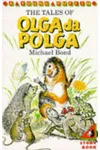
1. The Tales of Olga da Polga (1971)
This is the essential starting point. The book introduces readers to Olga da Polga as she is chosen from a pet shop by the Sawdust family. Upon arriving in her new outdoor hutch, she quickly makes her presence known to the local garden residents: Noel the cat, Graham the tortoise, and Fangio the hedgehog. Olga establishes her reputation as a master storyteller, spinning elaborate (and highly exaggerated) tales to explain the wonders of the world, such as how guinea pigs once had long, beautiful tails.
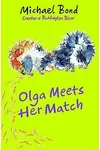
2. Olga Meets Her Match (1973)
In this second installment, Olga's reign as the garden's premier storyteller is challenged when the Sawdust family goes on holiday and leaves her in the care of a neighbor. Here, she meets Boris, another guinea pig who possesses an equally grand imagination and a knack for spinning tall tales. Instead of becoming enemies, the two form a delightful bond, sharing stories and adventures that expand the series' cozy universe.
3. Olga Carries On (1976)
Olga's adventures continue as she faces the changing seasons in the garden. She continues to charm her audience—both human and animal—with her antics and her creative explanations for everyday occurrences. Whether dealing with the challenges of winter weather or organizing the garden animals, Olga's irrepressible spirit shines through.
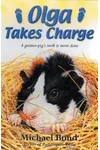
4. Olga Takes Charge (1982)
As the title suggests, Olga takes a leadership role in the garden community in this fourth book. From offering questionable advice to her animal friends to initiating health and fitness regimes (such as jogging around the garden), Olga keeps everyone on their toes. The stories highlight her confidence and her deep, if slightly bossy, affection for her companions.
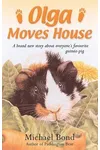
5. Olga Moves House (2001)
After a long hiatus, Michael Bond returned to the character in 2001. In this book, the Sawdust family moves to a new home, presenting Olga with a brand-new environment to explore. Moving can be daunting for a little pet, but Olga approaches the change with her usual enthusiasm, quickly reclaiming her status as the queen of her new garden and making new discoveries along the way.
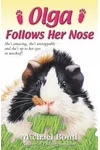
6. Olga Follows Her Nose (2002)
The final core chapter book finds Olga putting her senses to the test. Guided by her keen nose, she embarks on small garden mysteries and continues to entertain her friends with elaborate stories. It serves as a heartwarming conclusion to her main chapter adventures, showing that her curiosity and imagination remain as bright as ever.
The Olga da Polga Picture Books (1975–1977)
In the mid-1970s, Michael Bond wrote a series of eight shorter, heavily illustrated picture books. These are designed for preschool-aged children and focus on single, simple adventures or concepts. While they do not need to be read in any strict order, reading them alongside the early chapter books provides a fun, visual extension of Olga's world.
- Olga Counts Her Blessings (1975): A simple tale focused on counting and gratitude.
- Olga Makes a Friend (1975): Focuses on Olga's early efforts to bond with the garden animals.
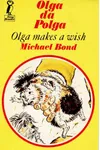
- Olga Makes a Wish (1975): A story centered around Olga's hopes and her active imagination.
- Olga Makes Her Mark (1975): Olga finds a way to leave her unique stamp on the Sawdust household.
- Olga Takes a Bite (1975): A humorous look at Olga's love of food and her culinary preferences.
- Olga's New Home (1977): Explores her transition from the pet shop to her outdoor hutch.
- Olga's Second House (1977): Details the creation of her secondary summer run in the grass.
- Olga's Special Day (1977): A celebration of a milestone day in Olga's life with the Sawdusts.
Omnibus Editions and Compilations
If you are looking to purchase the stories in bulk, several major compilations have been released over the years. These are excellent options for libraries or families looking to collect the stories in fewer volumes:
- The First Big Olga da Polga Book (1983) and The Second Big Olga da Polga Book (1983): Early compilations grouping several stories together.
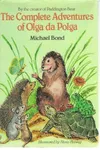
- The Complete Adventures of Olga da Polga (1987): An omnibus bringing together the early chapter stories.
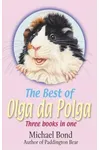
- The Best of Olga da Polga (2002): A curated selection of Olga's finest moments, released alongside her final novel.
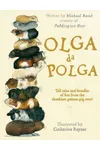
- Olga da Polga (2015): A modern reissue featuring updated illustrations by Catherine Rayner, bringing a fresh aesthetic to a new generation of readers.
What to Know Before You Start: Practical Reader Guidance
Olga da Polga is a highly accessible series, but a few quick tips can help you get the most out of your reading journey:
Chronological vs. Publication Order
Fortunately for readers, the publication order of the six main chapter books matches their chronological order. There are no confusing prequels or flashbacks to navigate. Simply follow the books from 1971 to 2002 to watch Olga's world grow.
Standalone Readability
Each chapter within the books is written as a self-contained story, making the series highly flexible. While it is best to read the books in order to appreciate character introductions, a reader can easily pick up any volume and understand what is happening. The episodic structure is intentional, mirroring the style Bond perfected with Paddington Bear.
The CBeebies TV Adaptation (2022)
In 2022, the BBC's children's channel CBeebies launched a live-action television adaptation of the series. Utilizing real animals, puppet elements, and talking-animal visual effects, the show brought Olga to a new generation of preschool viewers. If your child is a fan of the television series, the books make a wonderful companion, offering deeper detail into Olga's elaborate inner monologue and her interactions with the Sawdust family.