

The Recommended Reading Order for Paris Homicide
If you want to experience the Paris Homicide series at its best, the recommended starting point is also the order of publication. Written by French crime author Frédérique Molay, the series revolves around Nico Sirsky, the Chief of the Criminal Investigation Division (known locally as "La Crim'") in Paris. The series blends detailed French police procedurals with the personal struggles and growth of its central protagonist.
Because the overarching narrative follows Nico’s personal life, his relationships, and his evolution as a detective and father, reading the books chronologically is highly recommended. Below is the list of books in their correct reading order, featuring both their English translation titles and original French publication details:
- The 7th Woman (Original French: La 7e femme, published in 2006; English translation by Anne Trager published in 2012)
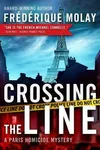
- Crossing the Line (Original French: Dent pour dent, published in 2011; English translation by Anne Trager published in 2014)
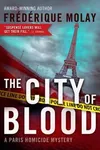
- The City of Blood (Original French: Déjeuner sous l'herbe, published in 2012; English translation by Jeffrey Zuckerman published in 2015)
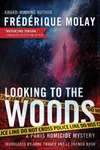
- Looking to the Woods (Original French: Copier n'est pas jouer, published in 2017; English translation by Anne Trager published in 2017)
- Les Inconnues de la Seine (Published in French in 2018; currently no English translation is available)
Diving Into the Novels
1. The 7th Woman
The series begins with the award-winning The 7th Woman. Nico Sirsky is introduced as a highly dedicated police chief who suddenly finds himself in a deadly race against time. A serial killer is targeting pregnant women, and the stakes become intensely personal when the killer sets their sights on a woman close to Nico. The debut novel established Molay's signature style of blending high-stakes tension with detailed forensic science. It won the prestigious French Prix du Quai des Orfèvres in 2007, propelling Molay to international fame.
2. Crossing the Line
In the second installment, Nico Sirsky is recovering from a gunshot wound when he is pulled back into action by a bizarre case. Dental students examining a body donated to science discover a strange, cryptic message hidden inside a severed head's tooth. This discovery kicks off a dark exploration of morality and justice as Nico and his team trace a clever killer who always seems to be one step ahead.
3. The City of Blood
The third book shifted translation duties to Jeffrey Zuckerman. The story begins during an archaeological excavation of a modern art installation at Paris's Parc de la Villette—the historical site of the city's old slaughterhouses. When a decades-old corpse is uncovered, it reveals a shocking link to a contemporary string of murders targeting local nightclub patrons. Nico must bridge the gap between past and present to stop the bloodshed.
4. Looking to the Woods
Anne Trager returned as translator for the fourth volume, which pits Nico Sirsky against a chilling serial killer targeting children. The case tests Nico's resolve and emotional limits, pushing his team to their absolute breaking point as they search for patterns in the woods surrounding the capital.
5. Les Inconnues de la Seine
The fifth book in the series remains untranslated into English. Released in France in 2018, the plot takes place during a suffocating summer heatwave in Paris. While dealing with the stressful aftermath of local attacks, Nico Sirsky and his squad are called to investigate a series of young women found drowned in the River Seine, forcing Nico to confront long-buried personal demons.
What to Know Before You Start
Frédérique Molay is frequently compared to Michael Connelly by crime fiction critics, and it is easy to see why. The series relies heavily on realistic police procedures, authentic forensic science, and the inner workings of the French judicial system. However, what sets Paris Homicide apart is its vivid setting. Paris is not just a backdrop; it is a living, breathing character, showing both the romantic charm of its cafés and the dark, gritty underbelly of its alleyways.
While the primary mystery in each book is resolved by the final page, the character development is continuous. Nico's relationship with Caroline, his interactions with his son, and the camaraderie of his unit at 36 Quai des Orfèvres evolve significantly from one novel to the next. For the most rewarding experience, do not skip around—start at the beginning with The 7th Woman.