
How to Read the Parish Orphans of Devon Series
Mimi Matthews' Parish Orphans of Devon is a USA Today bestselling Victorian romance series. The series follows four childhood friends who grew up together in a Devon orphanage as they navigate the rigid social hierarchies of 19th-century England, seek their fortunes, and find love. While each novel spotlights a different couple, their lives are deeply interconnected. To fully appreciate the recurring characters, evolving subplots, and emotional character arcs, it is highly recommended to read the books in their official publication order.
The Recommended Reading Order
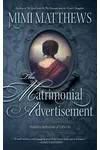
- The Matrimonial Advertisement (2018) – Set in 1859, this series opener introduces Justin Thornhill, an ex-army captain and parish orphan, and Helena Reynolds, a woman fleeing a treacherous uncle. Helena answers Justin's matrimonial advertisement, leading to a slow-burn romance and mystery at the atmospheric Greyfriar's Abbey.
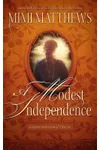
- A Modest Independence (2019) – Following the events of the first book, this story focuses on Helena's companion, Jenny Holloway, and Tom Finchley, a pragmatic solicitor. The couple embarks on a daring adventure spanning London, Egypt, and Calcutta as Tom seeks a missing client and Jenny pursues financial independence.
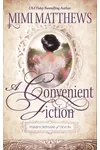
- A Convenient Fiction (2019) – This installment follows Alex Archer, a cynical orphan who has amassed wealth but lacks social standing, and Laura Hayes, a woman trying to save her family from ruin. They enter into a marriage of convenience that forces them to confront their past secrets and class prejudices.
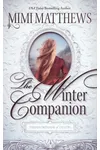
- The Winter Companion (2020) – The series finale focuses on Neville Cross, a parish orphan who has struggled with a speech impediment and physical challenges. He finds comfort and love with Clara Hartwright, a woman hired as a companion to his aunt, delivering a tender and heartwarming conclusion to the quartet.
Why You Should Read the Series in Order
Although each book features a self-contained romance with a happy ending, reading the series out of order can spoil key character developments and major plot points. The four orphans share a deep bond of brotherhood forged during their difficult childhood, and they frequently appear in each other's stories to offer support, counsel, or legal aid. Furthermore, central characters in later books are often introduced as supporting figures in earlier installments. For example, Tom Finchley and Jenny Holloway play prominent secondary roles in The Matrimonial Advertisement, setting up the romantic tension and personal motivations that drive their journey in A Modest Independence.
Themes and Historical Authenticity
Mimi Matthews, a former attorney with a passion for 19th-century history, grounds the series in meticulous historical research. The books explore the harsh realities of Victorian social systems, including the vulnerability of orphans, the lack of legal rights for women, the stigma of physical and cognitive differences, and the strict divisions of social class. The series is celebrated for its "closed-door" or sweet romance style, focusing heavily on emotional intimacy, intellectual compatibility, and character growth rather than explicit content. Matthews' evocative descriptions of the Devon coastline, the bustling streets of London, and the historic locales of Egypt and India add a rich, atmospheric layer to the narrative.
The Shared Universe: Connecting to the Belles of London
Readers who fall in love with the world of the Parish Orphans will find a delightful connection in Mimi Matthews' subsequent series, the Belles of London. A minor character from the Parish Orphans series, Edward "Teddy" Hayes (introduced in Laura's family circle in A Convenient Fiction), grows up to become the romantic lead in The Muse of Maiden Lane (2024), the final book of the Belles of London series. Reading both series provides a satisfying sense of continuity, with beloved characters making cameo appearances and enriching the shared Victorian universe.