
How to Read the Pendragon Cycle
When approaching Stephen R. Lawhead’s expansive Arthurian fantasy, readers face two primary paths: publication order and chronological order. While both offer unique perspectives on the unfolding legend of King Arthur, they shift how the world-building is experienced.
For the vast majority of readers, the Publication Order is highly recommended. Because the series was written over several decades and incorporates complex narrative structures, reading the books in the order they were released allows you to experience the world as the author developed it, preserving key character reveals and thematic builds.
1. The Recommended Publication Order
This path begins with the original core trilogy, moves through the thematic expansion books (often called "interquels"), transitions to a futuristic coda, and finishes with the modern prequel:
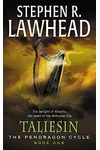
- Taliesin (1987): The foundation of the cycle, set in both the sinking realm of Atlantis and the misty hills of late-Roman Britain. It tells the story of Charis, the Atlantean princess, and Taliesin, the Celtic bard, whose union eventually brings Merlin into the world.
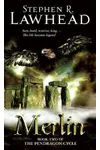
- Merlin (1988): Narrated by Myrddin (Merlin) himself, this book follows his childhood, his rise to power as a Druid and advisor, his descent into madness, and the early years of Arthur's life.
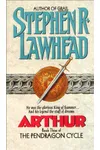
- Arthur (1989): The culmination of the original trilogy. The book is uniquely divided into three sections, each narrated by a different close ally of the king: Pelleas (covering Arthur’s rise to High King), Bedwyr (documenting the battles to unite Britain), and Aneirin (reflecting on Arthur's legacy and peaceful reign).
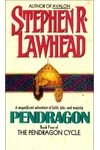
- Pendragon (1994): An expansion novel set during the peak of Arthur's reign. Narrated by Merlin, it dives into the massive wars against the Irish, Saxons, and Vandals, showing the brutal realities of defending the Kingdom of Summer.
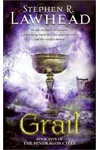
- Grail (1997): Another expansion novel set within the timeline of Arthur's reign. Narrated by Gwalchavad (Galahad), it focuses on the spiritual quest for the Holy Grail after a devastating famine grips the land.
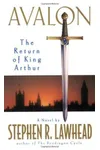
- Avalon (1999): A modern-day epilogue and sci-fi/fantasy blend. Set centuries after the rest of the cycle, it details the return of King Arthur to a contemporary British political landscape.
- Aurelia (2025): The latest addition to the cycle. This prequel is set during the final wane of the Western Roman Empire in Britain and centers on Aurelia, a Roman magistrate’s daughter, as she raises her sons (Aurelius Ambrosius and Uther Pendragon) to navigate a collapsing world with the assistance of Merlin.
2. The Chronological Timeline Order
If you prefer to read the events in the strict order of their historical timeline, the layout shifts. However, keep in mind that starting here can spoil certain mystical developments and might feel disjointed due to the decades-long gap in Lawhead's writing style between the early books and the 2025 prequel.
- Aurelia (Prequel set in late Roman Britain, focusing on Uther and Aurelius’s childhood)
- Taliesin (Begins in Atlantis, chronologically overlapping with and continuing past the events of Aurelia)
- Merlin (Merlin’s youth and Arthur's conception)
- Arthur (Arthur’s childhood, rise, and the establishment of his kingdom)
- Pendragon (Takes place mid-way through the events of Arthur, during his active campaigns)
- Grail (Takes place near the latter portion of Arthur's reign, during the Grail quest)
- Avalon (The futuristic/contemporary epilogue set in modern Britain)
Understanding the Chronological Caveats
The main challenge of the chronological order is that the Pendragon Cycle was not written sequentially. Lawhead originally conceived the series as a trilogy consisting of Taliesin, Merlin, and Arthur. Because of the series' immense popularity, he returned to the world to write Pendragon and Grail to flesh out details of Arthur's reign that were condensed in the third book.
Furthermore, Aurelia was published 26 years after Avalon. While it acts as a "Book 0" chronologically, it was written with the assumption that readers are already familiar with Merlin and the magical structure of Britain. Reading it first might make the historical details feel dry without the mythic context established in the original trilogy.
What to Know Before You Start
Lawhead's take on Arthurian lore is distinct from traditional medieval romances. Before diving in, keep these unique elements in mind:
- Gritty Post-Roman Setting: Instead of shining plate armor and gothic castles, the cycle is grounded in the 4th to 6th centuries. You will encounter muddy hillforts, leather jerkins, Roman ruins, and the harsh political vacuum left by the departing Roman legions.
- Spiritual Undercurrents: Lawhead blends historical Celtic paganism with early Celtic Christianity. The narrative deals heavily with themes of faith, destiny, and the transition of spiritual eras in Britain.
- Authentic Celtic Naming: The series utilizes historical spelling and Celtic names rather than their anglicized versions. For example, Guinevere is Gwenhwyvar, Galahad is Gwalchavad, and Merlin is Myrddin. While this enhances immersion, it can take some adjustment for new readers.
- The TV Adaptation: In January 2026, DailyWire+ premiered a seven-part television adaptation titled The Pendragon Cycle: Rise of the Merlin. The first season adapts the events of the first two novels, Taliesin and Merlin, renewing modern interest in the books.