
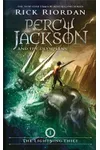
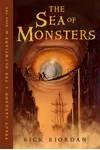
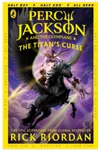
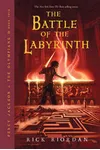


The Recommended Reading Order: Where to Start
For anyone stepping into Rick Riordan's mythical world for the first time, the absolute best place to start is the original five-book series: Percy Jackson and the Olympians. Beginning with The Lightning Thief introduces you to the core characters, the mechanics of Camp Half-Blood, and the central conflict with the Titans. While the larger "Riordanverse" has expanded to include multiple sequel series and mythological crossovers, reading the books in their publication order is highly recommended by both the author and long-time fans. This ensures you experience character growth, major plot twists, and cameos in the sequence they were intended, without running into major spoilers.
The Core Percy Jackson and the Olympians Series
The original saga follows Percy Jackson, a twelve-year-old boy who discovers he is actually a demigod—the son of Poseidon, the Greek god of the sea. Over five books, Percy and his friends Annabeth Chase and Grover Underwood embark on dangerous quests to prevent the rise of the Titan lord Kronos.
The Original Five-Book Saga
- The Lightning Thief (2005): Percy discovers his identity, is accused of stealing Zeus's master lightning bolt, and must go on a quest across America to find the real thief and prevent an apocalyptic war among the gods.
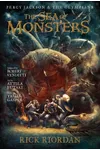
- The Sea of Monsters (2006): Camp Half-Blood's magical borders are failing. Percy and his allies sail into the dangerous Sea of Monsters (known to mortals as the Bermuda Triangle) to retrieve the Golden Fleece and save the camp.
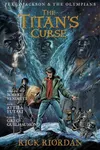
- The Titan's Curse (2007): The goddess Artemis has disappeared, and a dangerous new monster capable of destroying Olympus is on the loose. Percy joins forces with the Hunters of Artemis to rescue her and his kidnapped friend Annabeth.
- The Battle of the Labyrinth (2008): Percy and his friends navigate the deadly, shifting subterranean maze of Daedalus to stop Kronos's army from invading Camp Half-Blood from within.
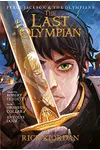
- The Last Olympian (2009): The Titan army marches on New York City, and the demigods must mount a desperate last stand to defend Mount Olympus while the gods are busy fighting the monster Typhon.
The Senior Year Adventures (The College Recommendation Trilogy)
Years after the original saga concluded, Rick Riordan returned to the original Percy-centric perspective with a new trilogy set during Percy's senior year of high school. In these books, Percy is trying to secure three letters of recommendation from the gods to gain admission to New Rome University.
- The Chalice of the Gods (2023): Percy, Annabeth, and Grover search for Ganymede's stolen chalice, which grants immortality to anyone who drinks from it.
- Wrath of the Triple Goddess (2024): Percy must pet-sit Hecate's magical pets to earn his next letter, but things go wild when they escape.
- Trilogy Conclusion (Title TBA): The third and final book of the Senior Year Adventures has finished its first draft as of early 2026 and is currently in editing, focusing on Percy's final quest to secure his college admission.
Publication Order vs. Chronological Order
Understanding where the newer books fit in can be slightly confusing due to the gap in publication years. Here is a breakdown of how the timeline flows:
Chronological Placement: The Senior Year Adventures (starting with The Chalice of the Gods) take place chronologically after the events of the sequel series The Heroes of Olympus, but before the events of The Trials of Apollo. Specifically, they happen during the autumn/winter of Percy's senior year of high school.
The Verdict: While you can theoretically read them chronologically right after The Heroes of Olympus, most readers prefer reading in publication order. Reading them after The Trials of Apollo allows you to appreciate the light nods and callbacks to the wider universe that Riordan established during the intervening years.
Expanding the Riordanverse: Sequels and Spin-Offs
Once you finish the original series, the story continues directly into several massive spin-off and sequel series that explore Greek, Roman, Egyptian, and Norse mythologies sharing the same universe.
The Heroes of Olympus
This direct sequel series consists of five books: The Lost Hero (2010), The Son of Neptune (2012), The Mark of Athena (2012), The House of Hades (2013), and The Blood of Olympus (2014). It introduces Roman demigods, a second camp called Camp Jupiter, and a brand-new threat from the earth goddess Gaea. Percy remains a central character alongside six other demigods of the Great Prophecy.
The Trials of Apollo
Following the events of Gaea's defeat, the god Apollo is punished by Zeus by being turned into a mortal teenager named Lester Papadopoulos. Over five books—beginning with The Hidden Oracle (2016) and ending with The Tower of Nero (2020)—Apollo must restore five ancient Oracles to regain his godhood, with appearances from Percy and other familiar faces along the way.
The Crossovers (Demigods & Magicians)
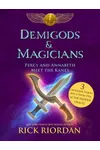
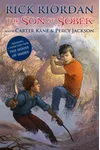
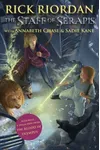
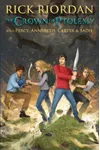
Percy also crosses paths with characters from Rick Riordan's Egyptian mythology series, The Kane Chronicles. The crossover short stories—The Son of Sobek (2013), The Staff of Serapis (2014), and The Crown of Ptolemy (2015)—were eventually compiled into the anthology book Demigods & Magicians (2015). This should ideally be read after finishing both the original Percy Jackson series and The Kane Chronicles.
What to Know Before You Start Reading
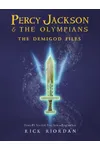
Before jumping in, there are a few practical details to keep in mind. The original series is written from Percy's first-person perspective, filled with dry humor, sarcasm, and high-energy action suitable for middle-grade readers and adults alike. One of the series' most unique traits is its direct representation of neurodiversity; demigods in this universe have ADHD and dyslexia, which are reframed as natural battle reflexes and hardwiring for reading Ancient Greek. Companion guides like The Demigod Files (2009) and Camp Half-Blood Confidential (2017) are completely optional but offer fun lore, character files, and short stories that fill in minor gaps between the main novels.