

The Recommended Reading Order for the Philip Dryden Series
If you are planning to dive into Jim Kelly’s acclaimed crime series, the best path is straightforward: read the books in publication order. Because the overarching narrative is driven by Philip Dryden’s personal life, his career progression, and the slow, emotional development of his relationships, reading them chronologically ensures you experience the characters' arcs as the author intended.
While the mystery in each book is self-contained and resolved by the final page, the emotional core of the series is continuous. Reading the books out of order will spoil significant developments regarding Dryden’s family, particularly the status of his wife Laura and his transition from a beat reporter to a newspaper editor.
Philip Dryden Books in Publication Order
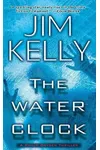
- The Water Clock (2002) – The debut novel introduces Philip Dryden, a former Fleet Street reporter now writing for Ely's local newspaper, The Crow. Dryden investigates a body found frozen in a block of ice in a local river, a case tied to a historical 1966 crime and Dryden's own tragic car accident that left his wife Laura in a coma.
- The Fire Baby (2004) – During a summer heatwave, a dying woman’s deathbed confession about a baby rescued from a crashed US military plane in 1976 sparks a fresh investigation. Dryden uncovers a dark web of murder and long-hidden secrets in the Fens.
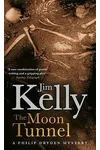
- The Moon Tunnel (2005) – When a skeleton is uncovered near a former World War II prisoner-of-war camp (Camp 315) in the Fens, Dryden is drawn into a decades-old mystery involving escaped Italian soldiers and buried trauma.
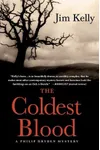
- The Coldest Blood (2006) – Set during a brutal winter in Ely, a man is found frozen to death in his high-rise flat. When his best friend is also found frozen, Dryden investigates a cold trail of betrayal dating back to a devastating blizzard years prior.
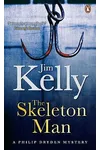
- The Skeleton Man (2007) – Requisitioned by the military for training, the abandoned village of Jude’s Ferry holds a dark history. A Territorial Army exercise uncovers a cellar with a skeleton. Meanwhile, a man rescued from a nearby river suffers from amnesia but reacts violently to the village's name, prompting Dryden to investigate.
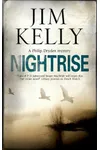
- Nightrise (2012) – This installment hits incredibly close to home. Police inform Dryden that his father, who was believed to have drowned during the devastating Fenland floods of 1977, has actually just died in a modern car crash. Dryden must unravel his family's past alongside a series of new, complex local crimes.
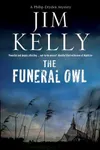
- The Funeral Owl (2013) – In the series finale, the sighting of a rare Boreal owl (traditionally a death omen) in the Fens precedes a string of bizarre events, including a hanging cross, an old farmhouse murder mystery, and dangerous metal thefts. Dryden, now the editor of The Crow, must piece the final puzzle together.
Chronological Order vs. Publication Order
For the Philip Dryden series, the publication order and the chronological order are identical. The books take place in sequence, moving from the early 2000s through 2013. There are no prequels or standalone novellas to disrupt the timeline. Therefore, readers do not need to worry about adjusting their reading sequence for chronological accuracy.
What to Know Before You Start
Jim Kelly’s Philip Dryden series stands out in the crowded crime fiction genre due to its unique setting, protagonist, and atmospheric tone. Here are the key elements that define the series:
The Cambridgeshire Fens as a Character
The Fens—a low-lying, marshy region in eastern England characterized by flat landscapes, dykes, mist, and isolated farms—serve as more than just a backdrop. Kelly, who lives in Ely, paints the desolate beauty of the Fens with poetic prose. The weather, from freezing winter blizzards to sweltering summer heatwaves, mirrors Dryden's internal struggles and shapes the pace of each mystery.
The Journalist Sleuth
Unlike traditional police procedurals, the series follows an investigative journalist rather than a detective. Dryden uses his reporting instincts, local connections, and the archives of his newspaper, The Crow, to uncover clues that the police overlook. This perspective offers a refreshing look at how local communities harbor secrets.
Dryden’s Personal Tragedy and Companions
The emotional anchor of the series is Dryden’s relationship with his wife, Laura, who is left in a coma (and later locked-in syndrome) following a tragic car accident where their vehicle plunged into a flooded dyke. Haunted by guilt and unable to drive due to post-accident trauma, Dryden relies on Humph, an eccentric, Falstaffian taxi driver who drives a battered Ford Capri. Humph acts as Dryden's chauffeur, sidekick, and a source of invaluable local gossip.
Practical Reader Advice
- Where to Start: You should absolutely start with The Water Clock. It establishes Dryden's trauma, his driving phobia, Laura's medical state, and his friendship with Humph.
- Standalone vs. Series: While the individual mysteries are self-contained and resolved in each book, the progression of Laura's condition and Dryden’s career transitions run continuously through the series. Skipping books will make the personal subplots confusing.
- Spin-offs and Crossovers: There are no direct spin-offs or character crossovers in the Philip Dryden series. However, fans of Jim Kelly's atmospheric East Anglian settings will also enjoy his other series, such as the DI Peter Shaw & DS George Valentine police procedurals (set on the Norfolk coast) and the Eden Brooke historical mysteries (set in wartime Cambridge).