
Recommended Reading Path
For readers diving into the suspenseful world of the Prescription For Trouble series, the recommended path is to follow the publication order. While each novel is written as a standalone story with its own self-contained mystery and cast of characters, reading them in the order they were published allows you to experience the author's stylistic evolution and growth as a master of medical suspense.
Because the books do not share a recurring main character or chronological cliffhangers, you also have the freedom to jump in with whichever premise intrigues you most. If you prefer to start with the most critically acclaimed entries, starting with the award-nominated titles like Medical Error or Diagnosis Death is an excellent alternative strategy.
Publication Order of Prescription For Trouble Books
The Prescription For Trouble series consists of six core novels published between 2009 and 2013. The publication order for the books is as follows:
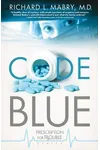
- Code Blue (2009) - Dr. Cathy Sewell returns to her hometown hoping for a fresh start, only to find herself targeted by a malicious threat and a career-ending malpractice suit.
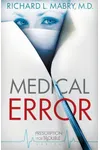
- Medical Error (2010) - Dr. Anna McIntyre faces a nightmare of identity theft, forged prescriptions, a patient's mysterious death, and a life-altering medical diagnostic test.
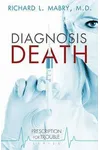
- Diagnosis Death (2011) - Dr. Elena Gardner's life unravels amid late-night phone calls and whispers accusing her of being a mercy killer responsible for suspicious hospital deaths.
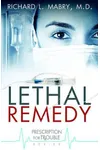
- Lethal Remedy (2011) - Dr. Sara Miles fights to save a patient from a highly resistant, deadly infection, only to stumble into a dangerous corporate conspiracy.
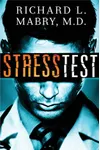
- Stress Test (2013) - Dr. Matt Newman, a surgeon whose life is put to the ultimate test when he is kidnapped, injured, and framed for a murder he did not commit.
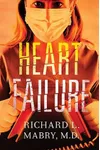
- Heart Failure (2013) - Cardiologist Dr. Carrie Markham finds her personal and professional life in jeopardy when she discovers her fiancé is hiding a dangerous past linked to the witness protection program.
Chronological Order and Standalone Caveats
Unlike many long-running suspense series that follow a single detective or doctor throughout their career, the Prescription For Trouble novels operate as an anthology. Each book focuses on a brand-new medical protagonist facing a unique ethical or criminal crisis. Therefore, chronological order matches publication order, but there is no overarching storyline connecting the plots.
You do not need to worry about spoilers for previous books if you read them out of order. Each story wraps up its primary mystery by the final page, making the series highly accessible for casual readers who might pick up a copy at a local bookstore or library without checking the series numbering first.
What to Know Before You Start
Before beginning the series, it is helpful to understand the background of the author, Dr. Richard L. Mabry. As a retired physician and medical school professor with over three decades of clinical experience, Mabry infuses his writing with an exceptional level of medical realism. The hospital procedures, jargon, and ethical dilemmas faced by the characters feel authentic because they are grounded in real-world expertise.
Additionally, the series is categorized as Christian fiction or inspirational suspense. The stories feature clean language, avoid explicit content, and weave themes of faith, forgiveness, and trust in God into the narrative. The characters are often flawed professionals who must rely on their faith and resilience to navigate the terrifying crises they find themselves in. If you enjoy the medical tension of authors like Robin Cook, Tess Gerritsen, or Michael Palmer, but prefer a clean, faith-based perspective, this series is custom-made for you.
Spin-offs and Companion Reads
Once you finish the six books of the Prescription For Trouble series, you can easily transition to Richard L. Mabry's other medical suspense novels. While he has not written direct spin-offs featuring characters from this series, his subsequent works carry the same signature style and tone. Notable companion reads include his Newton County Saga (beginning with The Shadow of Doubt) and standalone medical thrillers such as Critical Condition, Fatal Trauma, and Guardians of Mercy. These books offer the same high-stakes hospital drama, clean suspense, and faith-centered themes that fans love.