

The Recommended Reading Order
For young readers diving into the prehistoric adventures of Professor Barrister’s Dinosaur Mysteries, the best path forward is the Publication Order. Written and illustrated by Stephen Penner, the series introduces its central characters, their time-travel equipment, and their mystery-solving routines starting with the very first book. While each story operates as a self-contained standalone mystery, beginning at the start helps children grasp the premise and get comfortable with the recurring cast before jumping into different prehistoric eras.
Publication Order of Professor Barrister's Dinosaur Mysteries
The series consists of five main books released between 2010 and 2012. You can read them in this order to follow the publication history:
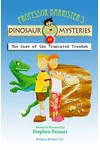
- The Case of the Truncated Troodon (2010) — Nate and Emily discover Professor Barrister's time machine and travel to the Cretaceous period to solve a feathered dinosaur puzzle.
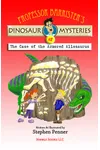
- The Case of the Armored Allosaurus (2010) — The trio travels back to the Jurassic period to investigate whether a fearsome predator possessed defensive armor.
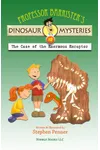
- The Case of the Enormous Eoraptor (2010) — A journey to the Triassic period to determine if a newly discovered fossil belongs to a giant Eoraptor or an entirely new species.
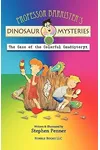
- The Case of the Colorful Caudipteryx (2011) — The team heads back to the Cretaceous period to explore the vibrant, feathered world of the Caudipteryx.
- The Case of the Crested Cryptoclidus (2012) — The adventurers explore the ancient Jurassic seas to solve the mystery of a crested marine reptile fossil.
An Alternative Path: Prehistoric Chronological Order
Because the books feature time travel, readers can also choose to experience the stories chronologically based on the geological periods the characters visit. This is a fantastic way for dinosaur-obsessed kids to learn about the progression of the Mesozoic Era from the Triassic, through the Jurassic, and ending in the Cretaceous period.
The Triassic Period (Approx. 252 to 201 million years ago)
- The Case of the Enormous Eoraptor (Book 3) — Features the Eoraptor, one of the earliest known dinosaurs, living in the Late Triassic.
The Jurassic Period (Approx. 201 to 145 million years ago)
- The Case of the Armored Allosaurus (Book 2) — Showcases the fierce theropod Allosaurus alongside long-necked sauropods.
- The Case of the Crested Cryptoclidus (Book 5) — Dives deep into the Jurassic oceans to study the plesiosaur Cryptoclidus.
The Cretaceous Period (Approx. 145 to 66 million years ago)
- The Case of the Truncated Troodon (Book 1) — Explores the highly intelligent, bird-like Troodon in the Late Cretaceous.
- The Case of the Colorful Caudipteryx (Book 4) — Focuses on the small, feathered theropod Caudipteryx.
What to Know Before You Start
This series is aimed primarily at young readers in the 8 to 12 age range (grades 3 to 6). It is highly regarded by parents and educators for its educational value. Author Stephen Penner, a Seattle-based attorney and artist, originally conceived the stories based on imaginative games he played with his dinosaur-loving son.
Key elements that make the series distinct include:
- The Din-O-Matic Transport-A-Tron: The secret time-travel machine located in Professor Barrister's lab that allows third-grade dinosaur experts Nate and Emily to visit the past.
- Super Secret Dino-Files: Educational sections at the back of each book packed with authentic, kid-friendly paleontological facts, ensuring that the entertainment is balanced with real science.
- Scientific Accuracy: The books discuss real paleontological debates, such as the evolutionary link between dinosaurs and modern birds, and the presence of feathers on prehistoric creatures.
Because the books are completely standalone and do not build on a single serialized narrative, readers can pick up any volume that features their favorite dinosaur without feeling lost.