
The Recommended Reading Order for the Queenstown Series
To fully experience the emotional depth and character growth of Jean Grainger's historical saga, the Queenstown series must be read in its chronological order, which also matches its publication sequence. The story follows a tight, continuous timeline tracing the lives of Harp Delaney and her mother, Rose, making a linear path essential for understanding the plot development and character relationships.
Here is the recommended reading order for the series:
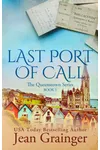
- Last Port of Call (2021)
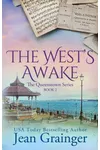
- The West's Awake (2021)
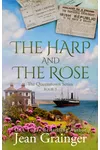
- The Harp and the Rose (2021)
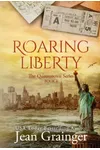
- Roaring Liberty (2022)
Publication Order vs. Chronological Order
Fortunately for readers, there is no need to navigate complex timelines or jumping timelines. Jean Grainger published the books in the exact order in which the narrative unfolds. Beginning in April 1912 and concluding in the early 1920s, the series moves chronologically through some of the most pivotal moments in modern Irish and American history.
Deep Dive into the Books
1. Last Port of Call (2021)
The series opens in April 1912 in Queenstown, County Cork, Ireland. Rose Delaney is the graceful but reserved housekeeper at Cliff House, a grand Georgian mansion owned by the eccentric, reclusive Henry Devereaux. Rose’s twelve-year-old daughter, Harp, is a brilliant, bookish girl who has formed an unconventional family bond with Henry. Their quiet life is shattered when the Titanic departs from Queenstown on its fateful journey. The aftermath of the tragedy, combined with a dark family secret, forces Harp and Rose into a struggle for survival that changes their lives forever.
2. The West's Awake (2021)
Set in 1916, the second book finds Ireland in the grip of political upheaval following the Easter Rising. Harp is now sixteen, and while Rose has successfully established Cliff House as a thriving, independent business, their peace is threatened by the arrival of Harp's uncle, Ralph Devereaux. Ralph is determined to claim Cliff House as his ancestral home and assert control. Facing danger from British forces and family greed, Harp and Rose’s journey takes them from Queenstown to the Irish immigrant communities of Boston, wartime Liverpool, and the tense streets of Dublin.
3. The Harp and the Rose (2021)
By 1920, the Irish War of Independence is raging. Twenty-year-old Harp Devereaux is attending university, enjoying a sense of belonging and the company of her sweetheart, JohnJoe. However, the conflict soon hits close to home. Harp and her friends become deeply involved in the Irish revolutionary movement. As the country fights for its freedom from British rule, Harp and Rose must also confront a vengeful enemy from their past who has returned to settle old scores.
4. Roaring Liberty (2022)
The final chapter of the saga takes place in 1922. Harp finds herself in New York City with her partner, JohnJoe, attempting to build a life in the performing arts during the vibrant and chaotic Roaring Twenties. Despite the allure of American liberty and new career opportunities, Harp is pulled back by her deep ties to Ireland, which is undergoing a painful transition following the Anglo-Irish Treaty. The book brings Harp and Rose's journey of independence, love, and resilience to a satisfying conclusion.
What to Know Before You Start
Before diving into the books, it helps to understand the historical context that shapes the narrative. The town of Queenstown is a real historical port in County Cork, Ireland. In 1920, it was renamed Cobh. Historically, it served as the final port of call for the Titanic and was the primary departure point for millions of Irish emigrants fleeing famine and seeking new lives in America.
Jean Grainger, a native of Cork and a former tour guide and historian, brings her deep knowledge of local history to the series. The books deal with real political developments, including the rise of Sinn Féin, the War of Independence, and the divide over the treaty with Britain. The series balances these heavy historical backdrops with a warm, intimate family drama focused on class, education, and women's independence.
Practical Reader Guidance and Standalone Potential
Can these books be read as standalones? While Jean Grainger is a skilled storyteller who provides enough backstory in each volume to keep readers oriented, reading them out of order is not recommended. The emotional payoff of Harp's transition from a twelve-year-old bookworm to a strong, independent woman is built step-by-step across the four novels. The overarching mystery regarding the Devereaux family estate and Rose's past is also resolved incrementally.
For fans of atmospheric historical fiction, family sagas, and Irish history, this series is highly recommended. It carries the warmth of Maeve Binchy's character-driven stories combined with a detailed look at Ireland's revolutionary era.