
Where to Start Reading the Rain Wilds Chronicles
If you are looking to dive straight into the Rain Wilds Chronicles, the literal starting point is Dragon Keeper (2009). However, because this series is a subseries nestled deep within Robin Hobb's massive 16-book Realm of the Elderlings (RotE) saga, we strongly recommend a broader reading path. For the absolute best experience, you should read the preceding series in publication order first. Starting with the Farseer Trilogy, moving through the Liveship Traders, and finishing the Tawny Man Trilogy before opening Dragon Keeper provides crucial context. The Rain Wilds Chronicles builds directly on the mechanical, magical, and ecological changes that occur at the end of the Liveship Traders series.
If you choose to skip the prior trilogies, you will miss out on the rich history of the dragon-serpent life cycle, the origin of the Rain Wilds traders, and the evolution of the world's ancient magic. Reading the Rain Wilds Chronicles as a standalone quartet is possible, but it serves as a bridge. Reading it out of order will spoil major plot points of earlier books and leave you confused when characters and conflicts from previous arcs reappear.
Rain Wilds Chronicles Publication Order
The core of the Rain Wilds Chronicles is a four-book novel series published between 2009 and 2013. In some databases and retail listings, you might see the short story collection The Inheritance (2011) interleaved between the second and third novels. Here is the publication order of the novels alongside the companion collection:
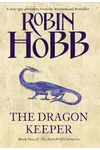
- Dragon Keeper (2009) – The first novel, introducing Thymara, Alise, and the stunted dragons hatched from the cocooning of the serpents.
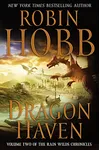
- Dragon Haven (2010) – The second novel, following the keepers and their charge as they venture deeper into the toxic, acid-soaked river valley.
- The Inheritance (2011) – An optional anthology containing Realm of the Elderlings short stories like "Homecoming" and "The Inheritance."
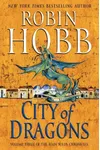
- City of Dragons (2011) – The third novel, focusing on the discovery of the legendary Elderling city of Kelsingra.
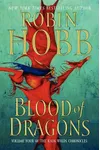
- Blood of Dragons (2013) – The concluding novel, bringing the dragon and keeper storylines to a climactic finish.
It is important to note that the core narrative is a continuous story split into four parts. You should read the four main novels sequentially without interruption. The Inheritance collection is best read as supplementary material at your convenience.
Chronological Order and Universe Caveats
In the case of Robin Hobb's universe, publication order and chronological order align almost perfectly, meaning the timeline of the world moves forward book by book. However, there are a few notable chronological caveats when it comes to short fiction and prequel stories that enrich the Rain Wilds region:
- "Homecoming" (Short Story): This prequel story is set long before the events of the Farseer Trilogy. It details the initial, accidental colonization of the toxic Rain Wilds by exiled Jamaillian aristocrats. It is a fantastic entry point for understanding the history of the region and is found in the collection The Inheritance & Other Stories.
- "The Wilful Princess and the Piebald Prince" (Novella): Published in 2013, this prequel is set in the Six Duchies generations before the Farseer Trilogy, explaining the history of the Wit magic and the tragic history of the Farseer line.
- "The Inheritance" (Short Story): This title story from the 2011 collection is set in Bingtown and follows Cerise, an orphan navigating the aftermath of her grandmother's death, highlighting the unique wizardwood lore of the region.
If you prefer a strict chronological reading order, you can read "Homecoming" first. However, most fans and the author recommend reading the main series first, as the prequel's mysteries are far more satisfying when you already understand the dangers of the Rain Wilds.
Major Series and Connections in the Realm of the Elderlings
To see how the Rain Wilds Chronicles connects to the larger tapestry, it helps to view the entire Realm of the Elderlings sequence. The saga is broken down into five distinct subseries, which progress as follows:
- The Farseer Trilogy: Consisting of Assassin's Apprentice, Royal Assassin, and Assassin's Quest. This trilogy establishes the Six Duchies, the Skill and Wit magics, and the life of FitzChivalry Farseer.
- The Liveship Traders Trilogy: Consisting of Ship of Magic, The Mad Ship, and Ship of Destiny. Set south of the Six Duchies, this trilogy introduces Bingtown, sentient wizardwood ships, and the Rain Wild river.
- The Tawny Man Trilogy: Consisting of Fool's Errand, The Golden Fool, and Fool's Fate. The story returns to the Six Duchies and FitzChivalry's perspective, while continuing the overarching plot of the dragons.
- The Rain Wilds Chronicles: Consisting of Dragon Keeper, Dragon Haven, City of Dragons, and Blood of Dragons. This quartet shifts the focus back south to the Rain Wilds, detailing the return of dragons to the world.
- The Fitz and the Fool Trilogy: Consisting of Fool's Assassin, Fool's Quest, and Assassin's Fate. The grand finale of the entire saga, merging all character threads and locations into a final, epic conclusion.
The Rain Wilds Chronicles serves as a massive turning point for the entire world, transitioning it from a low-magic setting with forgotten history to a high-magic world where active dragons and Elderlings reshape global politics.
Practical Advice for Readers
Can you read the Rain Wilds Chronicles on its own? Technically, yes. Hobb is an excellent writer who provides enough exposition to keep new readers afloat. However, we strongly advise against it. The emotional depth of seeing characters from the Liveship Traders reappear, and the sheer scale of the dragon lore, will be significantly diminished.
Additionally, pay close attention to the structural split of the series. The Rain Wilds Chronicles was originally conceived by Robin Hobb as a duology. However, due to the massive size of the manuscript and editorial decisions, the story was split into four volumes. Because of this, the transition between Dragon Keeper and Dragon Haven, as well as between City of Dragons and Blood of Dragons, can feel abrupt. Treat them as two giant novels split into four physical books.
What to Know Before You Start
Before stepping into the toxic swamps, you should know that the Rain Wilds Chronicles features a different tone than the Fitz-centric books. While the Farseer stories are written in a first-person, intimate perspective focusing on a single assassin, the Rain Wilds Chronicles uses a third-person multi-perspective structure. This allows Hobb to paint a broader picture of a society of outcasts, exploring themes of physical mutation, queer relationships, and the hubris of ancient creatures.
The setting itself is a character. The Rain Wilds is a subterranean and canopy-dwelling society where acid rivers eat away at flesh, wood, and stone. The inhabitants have adapted to their environment over generations, developing scales and claws, which their mother-country views with disgust. It is a story of marginalized people finding solidarity with marginalized beasts, making it one of the most unique and modern subseries in the entire fantasy genre.