
The Recommended Reading Order
The Ramona Quimby series follows a single, clear timeline as Ramona grows up from a mischievous four-year-old into a thoughtful fourth grader. Because her character ages and develops with each installment, the best way to experience her story is in publication order, which also serves as the chronological order for her primary adventures.
We recommend reading the eight core novels in this sequence:
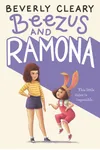
- Beezus and Ramona (1955): Ramona is four years old and constantly testing the patience of her older sister, Beezus.
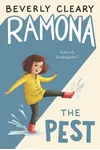
- Ramona the Pest (1968): Ramona hits a major milestone as she enters kindergarten, bringing her trademark energy and mischief to the classroom.
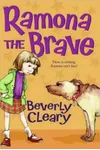
- Ramona the Brave (1975): Now in first grade, Ramona tries to prove she is big and brave, even when facing scary teachers and neighborhood dogs.
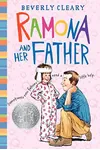
- Ramona and Her Father (1977): A touching installment where Ramona tries to help her family cope after her father loses his job. (Newbery Honor Winner)
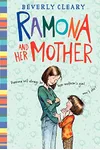
- Ramona and Her Mother (1979): Ramona navigates the challenges of second grade and seeks reassurance of her mother's love.
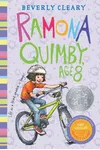
- Ramona Quimby, Age 8 (1981): Third grade brings new responsibilities, a new school, and family financial pressure. (Newbery Honor Winner)
- Ramona Forever (1984): Ramona grows up further as she faces big changes, including a new baby in the family and her aunt's wedding.
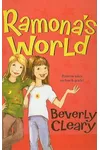
- Ramona's World (1999): Published fifteen years after the previous book, this final installment follows Ramona into the fourth grade as she makes a new best friend and navigates the transition out of early childhood.
Crossover with the Henry Huggins Universe
Before Ramona Quimby starred in her own books, she was actually a minor character in Beverly Cleary’s first series, Henry Huggins. If you want a complete picture of life on Klickitat Street, you can read the Henry Huggins books first, or read them alongside Ramona's. Ramona makes notable appearances in Henry Huggins (1950) and especially Henry and Beezus (1952), where she behaves as a toddler nuisance to the older kids.
While it is not strictly necessary to read the Henry Huggins books to enjoy Ramona's standalone series, starting with them provides fun context on how Ramona first appeared to the neighborhood before she stole the spotlight.
Chronological Caveats and Publication Gaps
One of the most interesting aspects of the Ramona series is the real-world timeline of its creation. Beverly Cleary began writing about Ramona in the 1950s and finished her final book, Ramona's World, in 1999. Despite a 44-year publication gap, only about five years pass in Ramona's life. Cleary masterfully updated the setting, keeping the series feeling timeless yet contemporary to when each book was written, without losing the core charm of Portland's working-class Klickitat Street.
Because Ramona's age progresses sequentially (from age 4 to age 10), you should avoid jumping around. Reading them out of order makes Ramona's emotional growth and family dynamic changes hard to follow.
Ramona Companion Books and Journals
In addition to the main novels, Cleary released interactive non-fiction companions that allow readers to engage with Ramona's world:
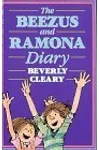
- The Beezus and Ramona Diary (1986): A guided personal diary for young readers featuring quotes and illustrations from the series.
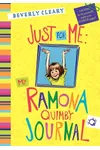
- Just for Me: My Ramona Quimby Journal (2013): An interactive activity book filled with puzzles, quizzes, stickers, and writing prompts inspired by Ramona's adventures.
These are completely optional companion pieces and do not add to the main narrative, but they are great keepsakes for young fans.
What to Know Before You Start
Beverly Cleary wrote about children's real emotions. Ramona isn't a perfect, sweet literary trope; she gets jealous, she throws tantrums, she squeezes entire tubes of toothpaste down the drain, and she worries about her parents' financial struggles. This emotional honesty is what makes the books so enduring. Parents reading with their children should note that the books handle real-life topics like sibling rivalry, parental unemployment, smoking, and childhood fears with gentle humor and warmth, making them perfect for family discussions.