
The Recommended Reading Order for the Rama Universe
The Rama series is one of the most celebrated sagas in hard science fiction, centered on humanity's encounters with a massive, cylindrical alien spacecraft. While the series began as a standalone masterpiece by Arthur C. Clarke, it eventually expanded through a co-authored sequel trilogy and several solo spin-off novels by Gentry Lee. To get the most out of this universe, readers should follow the order in which the books were published, which also aligns with their chronological timeline.
The Core Rama Tetralogy
The primary story is contained within four novels. The first was written solely by Arthur C. Clarke, while the remaining three were co-authored with Gentry Lee:
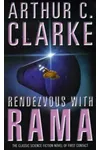
- Rendezvous with Rama (1973): The Hugo and Nebula Award-winning classic that introduces the mysterious 50-kilometer-long alien vessel entering the solar system in the 22nd century. It follows a team of human astronauts who board the silent craft to explore its bizarre internal landscapes.
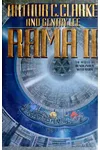
- Rama II (1989): Set seventy years after the events of the first book, a second Raman spacecraft arrives. This book introduces a new crew and shifts the narrative focus from minimalist scientific exploration to human drama, politics, and character-driven conflict.
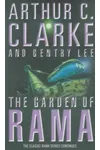
- The Garden of Rama (1991): Continues the story of the human occupants trapped aboard the Raman vessel as it journeys deep into space toward a Raman node, introducing alien species and detailing the challenges of building a human colony inside the megastructure.
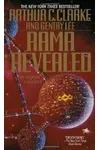
- Rama Revealed (1993): The direct conclusion to the tetralogy, resolving the ultimate purpose of the Raman spacecraft, the identity of their mysterious creators, and the fate of the human colonists.
The Expanded Rama Universe
Following the completion of the main series, Gentry Lee wrote three solo novels set in the same shared universe. These books expand the lore and explore different corners of the setting:
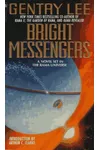
- Bright Messengers (1995): Set in the same universe, this story begins on Mars and follows a different group of characters, including priestess Beatrice and engineer Nicole, as they encounter new alien structures linked to the Raman builders.
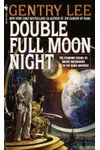
- Double Full Moon Night (1999): The direct sequel to Bright Messengers, continuing the adventures of the survivors on a new, semi-organic world.
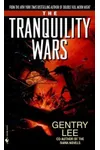
- The Tranquility Wars (2000): A standalone space opera set within the same future history. While it features no direct narrative crossover with the main Raman vessels, it details the political conflicts and space warfare between human federations in the expanded solar system.
Publication Order vs. Chronological Order
Fortunately for readers, there is no major conflict between publication order and chronological order. The timeline moves steadily forward from the mid-22nd century exploration in the first book, through the colonization eras of the sequels, and into the auxiliary Martian and colonial timelines of Gentry Lee's solo expansions. Reading the books in publication order is the most logical path:
- Rendezvous with Rama (1973)
- Rama II (1989)
- The Garden of Rama (1991)
- Rama Revealed (1993)
- Bright Messengers (1995)
- Double Full Moon Night (1999)
- The Tranquility Wars (2000)
Where to Start and Practical Reading Advice
Without question, every reader should start with Rendezvous with Rama. It is a lean, atmospheric, and highly imaginative work of hard science fiction that stands perfectly well on its own. In fact, many purists recommend stopping after the first book.
The sequels represent a major shift in tone, style, and focus. Because Gentry Lee did the bulk of the writing for the sequels, the narrative shifts from Clarke's signature focus on physics, orbital mechanics, and scientific wonder to a heavy emphasis on human melodrama, biological details, social dynamics, and detailed character histories. If you love the mysterious, awe-inspiring atmosphere of the first book, be prepared for a much more character-driven and sometimes polarizing experience in the sequels.
As for the spin-offs, Bright Messengers and Double Full Moon Night are recommended only for completionists who enjoyed Gentry Lee's writing style in the sequels and want to explore more of his vision of the Raman builders. The Tranquility Wars is essentially a standalone military sci-fi story that is loosely connected by sharing the same future setting but has no bearing on the main Rama mystery.
What to Know Before You Start
The transition from a solo Arthur C. Clarke novel to the Gentry Lee collaborations is one of the most famous style shifts in science fiction history. While Clarke provided the outline and scientific consultations, Lee wrote the prose for the sequels. This resulted in longer, slower-paced books with adult themes, including religious symbolism, colonization politics, and interpersonal conflicts, contrasting sharply with the clean, PG-rated scientific optimism of Clarke's solo catalog. Knowing this shift beforehand helps set appropriate expectations for the journey ahead.