




How to Read Robert J. Conley's Real People Series
Robert J. Conley’s acclaimed Real People series is a groundbreaking achievement in Native American historical fiction. Spanning centuries of Cherokee history, the series moves from the pre-contact era through early European encounters, colonial warfare, and the eventual development of the written Cherokee language. For the best reading experience, readers should follow the Publication Order, which also serves as the chronological progression of the Cherokee Nation through time.
While many sources and early editions refer to the series as a 10-novel saga, comprehensive bibliographies and modern cataloging include two later companion novels, bringing the complete reading order to 12 books.
The Real People Books in Reading Order
- The Way of the Priests (1992) – Set in the pre-contact era, this opening novel introduces the Ani-Kutani, a powerful and privileged hereditary priesthood who rule the Cherokee people. When a devastating three-year drought plagues the land and the priests fail to bring rain, the seeds of rebellion are sown.
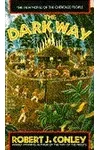
- The Dark Way (1993) – The tension climaxes as the Cherokee people rise up against the corrupt and tyrannical Ani-Kutani priesthood, overthrowing their rule in a dramatic revolution that reshapes their society's spiritual and political landscape.
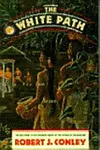
- The White Path (1993) – In the wake of the priesthood's collapse, the Cherokee struggle to rebuild their society based on peace, democracy, and the 'White Path.' However, external tribal threats and the temptation of vengeance challenge this new way of life.
- The Way South (1993) – Cherokee traders venture southward and make contact with other Mississippian cultures, unknowingly crossing paths with the first Spanish expeditions led by Hernando de Soto's scouts.
- The Long Way Home (1994) – Deadwood Lighter and a group of Cherokee are captured by Spanish conquistadors. The novel chronicles their harrowing experiences with the De Soto expedition and their grueling journey to find their way back home.
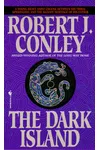
- The Dark Island (1995) – Winner of the Spur Award for Best Western Novel, this story centers on Asquani, a young Cherokee raised by Spaniards who finds himself torn between two worlds as Spanish forces attempt to conquer and establish a foothold in Cherokee territory.
- The War Trail North (1995) – Moving into the era of intertribal warfare, this novel follows a young Cherokee warrior who embarks on a dangerous quest for revenge against the Seneca (Iroquois) after his brother is killed.
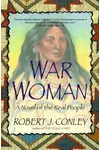
- War Woman (1997) – Set in the 17th century, this novel follows Whirlwind, a woman who defies traditional gender roles to become a respected warrior and trader. She navigates the complex interactions and trade relationships with Spanish and British colonizers, eventually earning the title of 'War Woman.'
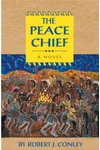
- The Peace Chief (1998) – A young man named Young Puppy accidentally commits a homicide and flees into exile. He finds sanctuary, undergoes spiritual rebirth, and eventually rises to become a ceremonial leader, demonstrating the deep-rooted Cherokee laws of peace and sanctuary.
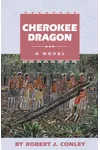
- Cherokee Dragon (2000) – A dramatic biographical novel focusing on the real historical figure Tsiyu Gansini (Dragging Canoe), the legendary war chief who led the Chickamauga Cherokee resistance against encroaching American settlers during the Revolutionary War.
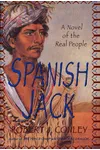
- Spanish Jack (2001) – This volume details the life of Jack Spaniard (Spanish Jack), a biracial Chickamauga warrior navigating the early-to-mid 19th century as the Cherokee Nation faces intense pressure, forced migration, and conflict with the U.S. government.
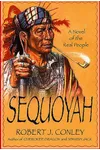
- Sequoyah (2002) – The final chronological piece focuses on the legendary Sequoyah, detailing his life, his struggles, and his monumental achievement in creating the Cherokee syllabary, which brought literacy to his people.
Chronological Progression and Timeline Caveats
Because the novels follow the historical trajectory of the Cherokee Nation, the publication order matches the chronological timeline perfectly. You start in the pre-colonial era before the 16th century (The Way of the Priests) and progress step-by-step through the 16th, 17th, 18th, and 19th centuries, ending with the literacy revolution in Sequoyah.
However, readers should note that each novel is designed as a standalone story featuring different characters, generations, and historical milestones. You do not need to read them in a single, continuous sitting to understand the plots, but reading them in order allows you to witness the evolutionary arc, cultural adaptation, and political survival of the Cherokee people over hundreds of years.
What to Know Before You Start
Robert J. Conley was a citizen of the United Keetoowah Band of Cherokee Indians and served as the Sequoyah Distinguished Professor of Cherokee Studies at Western Carolina University. The term 'Real People' is a direct translation of Ani-yunwi-ya, the name the Cherokee use for themselves in their own language.
Unlike traditional Westerns or historical fiction written from a colonial viewpoint, Conley intentionally centers Indigenous traditions, oral histories, spirituality, and social structures. His compact, fast-paced novels offer a vital correction to historical narratives that have long marginalized Native American voices.