










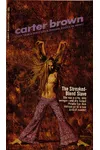

How to Read the Rick Holman Series
If you are looking to plunge into the glitzy, high-stakes world of mid-century Hollywood mystery, Rick Holman is your perfect guide. Written by Carter Brown—the famous pen name of prolific Australian author Alan Geoffrey Yates—this series spans nearly three decades of classic pulp fiction. Fortunately for readers, these books were designed to be quick, episodic, and highly accessible.
Where to Start: The Recommended Reading Path
Because the Rick Holman books are written as episodic pulp mysteries, there is no overarching, complex serial continuity. You do not need to read them in a strict chronological sequence to understand the plot. However, the absolute best place to start is the debut novel:
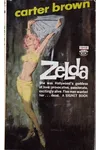
- Start with Zelda (1961): This is the book that introduces Rick Holman to the world. It establishes his role as an "industrial consultant" for Hollywood's rich and famous, showing how he transitions from high-society handler to hard-boiled detective when a weekend retreat turns deadly.
After reading Zelda, you can freely explore the rest of the series in any order you choose based on what titles or cover art catch your eye. If you prefer structure, following the publication order is the most satisfying way to watch Yates's writing style and the cultural backdrop of Hollywood evolve from the early 1960s into the late 1970s and early 1980s.
Who is Rick Holman?
Unlike typical hard-boiled private investigators who operate out of dusty, run-down offices in the rough parts of town, Rick Holman is a refined "cool cat." Based in the heart of Hollywood, he rarely refers to himself as a private eye. Instead, he prefers the title of "industrial consultant."
His specialty is troubleshooting delicate scandals for movie moguls, temperamental directors, and wealthy starlets before the press or the police get involved. He drives a sleek Jaguar, possesses a sharp wit, and relies on his charm and charm-laden moral code to navigate a corrupt environment where greed, betrayal, and blackmail are the currency of choice.
Publication Order of Rick Holman Books
Here is the chronological order of Rick Holman's cases, based on their original publication dates. Note that several titles have minor variations or alternative names depending on whether they were printed in Australia, the United Kingdom, or the United States:
- Zelda (1961)
- Murderer Among Us (1962)
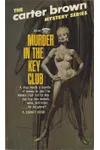
- Murder in the Key Club / Harem Club (1962)
- Jade Eyed Jungle (1963) (Also published as The Jade-Eyed Jungle)
- Never Was Girl (1964) (Also published as The Never-Was Girl)
- Who Killed Dr. Sex? (1964)
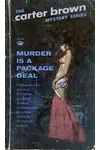
- Murder Is a Package Deal (1964)
- Girl from Outerspace (1965) (Also published as The Girl from Outer Space)
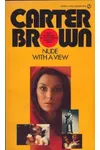
- Nude with a View (1965)
- Wind-up Doll (1965) (Also published as The Wind-Up Doll)
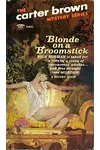
- Blonde on a Broomstick (1966)
- Play Now... Kill Later (1966)
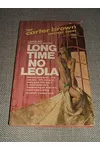
- Long Time No Leola (1967)
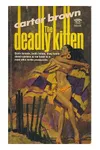
- Deadly Kitten (1967)
- Die Anytime after Tuesday (1969)
- The Flagellator (1969)
- Streaked Blond Slave (1969)
- A Good Year for Dwarfs? (1970)
- The Hang-up Kid (1970)
- The Coven (1971)
- The Invisible Flamini (1971)
- Phreak Out (1973)
- Negative in Blue (1974)
- Ride the Roller Coaster (1975)
- See It Again, Sam (1979)
- The Phantom Lady (1980)
- The Swingers (1980)
Understanding Title Variations and Discrepancies
Because Carter Brown was exceptionally popular worldwide, his publishers (such as Horwitz in Australia and Signet in the US) frequently altered titles to appeal to regional markets. For example, Murder in the Key Club was released in some territories as Murder in the Harem Club. Similarly, titles like Jade Eyed Jungle and Never Was Girl often saw minor grammatical tweaks like added hyphens or articles (e.g., The Jade-Eyed Jungle or The Never-Was Girl) when republished. When collecting physical copies of these pulp classics, always verify the publishing year to ensure you are not buying duplicate stories under different names.
What to Know Before You Start
Before diving in, keep these key points in mind to enhance your reading experience:
- Pulp Novel Tone: These books are fast, short, and heavy on 1960s and 70s slang, fashion, and pop-culture references. Expect a blend of humor, suggestive situations, and quick resolutions.
- Standalone Nature: There are no recurring subplots or overarching character arcs that carry over from book to book. Each novel begins with a new case and wraps up completely by the final page.
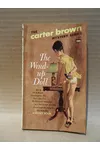
- Collector Appeal: Much of the modern interest in Carter Brown books centers around their iconic paperback cover art, particularly the cover illustrations by Robert McGinnis, which capture the quintessential mid-century aesthetic.