



Where to Start Your Roderick Alleyn Journey
For readers diving into the sophisticated cases of Chief Superintendent Roderick Alleyn, choosing a starting point depends on what you want out of the series. While each mystery functions perfectly well as a standalone puzzle, the personal lives of Alleyn, his close friend and chronicler Nigel Bathgate, his stoic partner Inspector Fox, and his love interest Agatha Troy develop significantly over time.
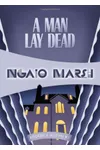
The most common and rewarding path is the Standard Publication Order, beginning with A Man Lay Dead (1934). This introduces Roderick Alleyn at the age of forty as a gentleman detective who opted for the grit of Scotland Yard over a life of aristocratic leisure. However, because Marsh was still finding her footing in this debut—which features a somewhat clichéd country-house murder game—some readers prefer to start with Artists in Crime (1938). This sixth novel represents the true entry into the series' emotional heart, as it is where Alleyn meets the brilliant painter Agatha Troy, initiating one of the Golden Age's most celebrated romance arcs.
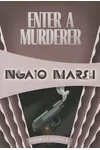
If you prefer a distinct setting, you can start with the New Zealand Mysteries, beginning with Vintage Murder (1937), which takes Alleyn to Marsh's native homeland. Stage enthusiasts might prefer the Theatrical Mysteries, starting with Enter a Murderer (1935), which highlights Marsh's background as a professional theater director.
The Roderick Alleyn Publication Order
Reading in order of publication allows you to watch Alleyn evolve from a detached, bachelor detective into a devoted husband and father, all while witnessing Ngaio Marsh's writing mature. Here is the complete list of Roderick Alleyn novels and collections by publication year:
- A Man Lay Dead (1934)
- Enter a Murderer (1935)
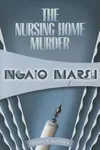
- The Nursing Home Murder (1935)
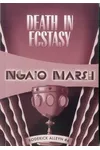
- Death in Ecstasy (1936)
- Vintage Murder (1937)
- Artists in Crime (1938)
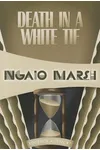
- Death in a White Tie (1938)
- Overture to Death (1939)
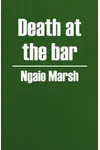
- Death at the Bar (1940)
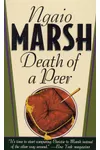
- Death of a Peer / Surfeit of Lampreys (1940)
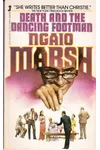
- Death and the Dancing Footman (1941)
- Colour Scheme (1943)
- Died in the Wool (1945)
- Final Curtain (1947)
- A Wreath for Rivera / Swing, Brother, Swing (1949)
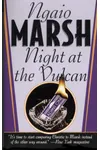
- Night at the Vulcan / Opening Night (1951)
- Spinsters In Jeopardy / The Bride of Death (1953)
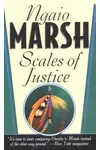
- Scales of Justice (1955)
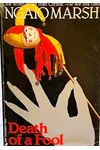
- Death of a Fool / Off With His Head (1956)
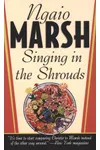
- Singing in the Shrouds (1958)
- False Scent (1959)
- Hand in Glove (1962)
- Dead Water (1963)
- Killer Dolphin / Death at the Dolphin (1966)
- Clutch of Constables (1968)
- When in Rome (1970)
- Tied Up in Tinsel (1971)
- Black As He's Painted (1973)
- Last Ditch (1976)
- A Grave Mistake (1978)
- Photo Finish (1980)
- Light Thickens (1982)
- Alleyn and Others / The Collected Short Fiction of Ngaio Marsh (1989)
- Still Unsolved (1990)
- Money in the Morgue (2018)
Chronological Reading Order Caveats
For the most part, the chronological order of Alleyn's life matches the publication order. However, the most significant exception is Money in the Morgue (2018). Ngaio Marsh began planning this novel during the Second World War but set it aside. Decades after her death, the crime writer Stella Duffy was commissioned to complete the manuscript based on Marsh's detailed notes and initial chapters.
Chronologically, Money in the Morgue takes place in 1943, during World War II. At this point in the timeline, Alleyn is stationed in New Zealand working on a secret counter-espionage mission. If you wish to read the series in strict chronological order, you should place Money in the Morgue right after Colour Scheme (1943) or Died in the Wool (1945), rather than reading it last. Reading it last can feel jarring due to the sudden shift in timeline, as the final completed novel by Marsh, Light Thickens (1982), finds an older Alleyn dealing with a much later era.
Themed Subseries and Collections
Marsh frequently returned to specific themes and locations that can be grouped into satisfying subseries for readers who want to focus on a particular flavor of mystery.
The Theatrical Mysteries
Marsh's extensive career directing Shakespearean plays heavily influenced her fiction. These novels feature actors, theatrical companies, backstage drama, and stage props used as murder weapons:
- Enter a Murderer (1935) – A prop gun is loaded with real bullets on a London stage.
- Vintage Murder (1937) – A theatrical troupe touring New Zealand faces a tragic accident backstage.
- Overture to Death (1939) – A village parish's amateur theatrical performance turns fatal.
- Final Curtain (1947) – Alleyn investigates the death of a patriarch within a highly dramatic acting dynasty.
- Night at the Vulcan (1951) – Set in London's West End, showcasing the opening night of a play marred by homicide.
- Killer Dolphin (1966) – Set inside a newly restored London theater where a historic relic is stolen.
- Light Thickens (1982) – Marsh's final novel, centering around a production of Shakespeare's Macbeth.
The New Zealand Adventures
Unlike many of her British contemporaries, Marsh brought a unique geographic diversity to the Golden Age. Five books transport Alleyn to New Zealand, highlighting the country's landscapes, sheep farms, and hot springs:
- Vintage Murder (1937)
- Colour Scheme (1943)
- Died in the Wool (1945)
- Money in the Morgue (2018)
- Photo Finish (1980)
The Alleyn and Troy Romance Arc
For readers who enjoy a romantic subplot, Alleyn's relationship with painter Agatha Troy is one of the most realistic and enduring in classic detective fiction. Their relationship progresses through these key milestones:
- Artists in Crime (1938) – Alleyn meets Troy while investigating a murder at her artists' commune.
- Death in a White Tie (1938) – Alleyn courtships Troy while investigating blackmail in high society.
- Death of a Peer (1940) – The couple is married, and Troy becomes a permanent fixture in Alleyn's life.
- Last Ditch (1976) – Their adult son, Ricky, becomes involved in a case, highlighting the family's growth.
What to Know Before You Start
Roderick Alleyn belongs to the same 'gentleman detective' class as Dorothy L. Sayers' Lord Peter Wimsey and Agatha Christie's Hercule Poirot, but he is more down-to-earth. He works as a professional police detective rather than an amateur investigator, meaning the books balance classic country-house puzzles with authentic police procedures. The dialogue is witty, class dynamics are frequently examined, and Inspector Fox provides a delightful working-class foil to Alleyn's aristocratic background. While you can easily pick up any book out of order, starting from the beginning or with Artists in Crime guarantees the best appreciation of Marsh's characters.