
The Recommended Reading Order for the Rune Trilogy
Before Jeffery Deaver became a household name with his forensic investigator Lincoln Rhyme, he crafted a lighter, highly energetic crime series set in the heart of Manhattan. The protagonist is Rune, a quirky, media-obsessed young woman with near-purple hair who stumbles into crime-solving while trying to build a career in filmmaking. The series consists of three books published between 1988 and 1991. Because the novels follow Rune's personal growth, career progression, and changing jobs, they are best read in chronological publication order:
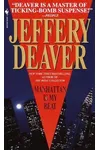
- Manhattan Is My Beat (1988)
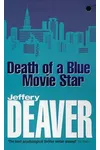
- Death of a Blue Movie Star (1990)
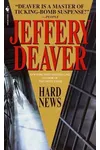
- Hard News (1991)
A Closer Look at the Books
1. Manhattan Is My Beat (1988)
The trilogy opens with Manhattan Is My Beat, introducing readers to a twenty-year-old Rune. Recently arrived in New York City, she lives as a squatter in a vacant TriBeCa loft and works at a local video rental shop called Washington Square Video. She spends her free time watching classic films and befriending an elderly customer named Mr. Kelly, who repeatedly rents the same tape: a fictional 1947 film noir also titled Manhattan Is My Beat. When Rune visits Mr. Kelly's apartment to collect the tape and finds him shot to death, she is convinced the murder is tied to the movie, which is rumored to hold clues to a legendary, unsolved million-dollar bank heist. Armed with only her camera and her wits, Rune must navigate the city's underbelly to find the truth.
2. Death of a Blue Movie Star (1990)
In the second installment, Rune is working as an underpaid production assistant while trying to break into the documentary scene. While on the job in Times Square, she witnesses the bombing of an adult movie theater. Capitalizing on the media sensation, Rune decides to shoot a documentary about Shelly Lowe, the adult film actress starring in the movie that was playing during the blast. However, when a second bomb kills Shelly shortly after their interview, Rune is thrust into a dangerous investigation. She suspects the actress was the real target all along, placing herself in the crosshairs of a ruthless killer.
3. Hard News (1991)
The final book in the trilogy, Hard News, finds Rune with a new job as an assistant camera operator for a major television news network. While digging through the network's archive tapes, she comes across a segment featuring Randy Boggs, a man serving time for the murder of the network's former boss, Lance Hopper. Convinced that Boggs is innocent, Rune persuades prominent news anchor Piper Sutton to let her investigate the case. As Rune follows the trail, she is hunted by a professional hitman from Miami, all while managing her professional aspirations and unexpectedly having to care for a young child left in her charge.
Who Is Rune? The Ultimate Pre-Digital Protagonist
Rune is one of Jeffery Deaver's most unique creations. She is a street-smart, fiercely independent twenty-year-old who prefers the magic of celluloid over reality. With her dyed hair, vintage clothes, and film-obsessed mindset, she serves as a charming guide to New York City just before the digital age. Unlike modern sleuths who rely on smartphones and database searches, Rune operates on foot, using payphones, video cassettes, and physical film reels to solve mysteries. Her character is characterized by a childlike spunk, a love for fairy tales, and an impulsive streak that often leads her into dangerous situations. While some readers find her naivety frustrating, her resourcefulness and dedication to justice make her an endearing underdog.
How the Series Compares to Lincoln Rhyme
Readers familiar with the gritty, detail-oriented procedural style of Jeffery Deaver’s Lincoln Rhyme series (which began with The Bone Collector in 1997) will find a very different tone in the Rune Trilogy. Rather than focusing on forensic analysis, these early books are fast-paced, character-driven adventure mysteries. The atmosphere is lighter, reflecting the young adult energy of its protagonist. However, Deaver's hallmark plotting is already on display. Readers can expect plenty of sudden twists, shifting suspect lists, and suspenseful climaxes that hint at the author's future success. There are no crossovers between the Rune Trilogy and the Lincoln Rhyme series, making the trilogy a self-contained window into Deaver's early career.
What to Know Before You Start
If you are planning to dive into the Rune Trilogy, keep the following tips in mind:
- Historical Setting: The books are a time capsule of late-1980s and early-1990s New York City. The plotlines revolve around video rental stores, analog television networks, and the gritty, pre-gentrified areas of Times Square and TriBeCa.
- Standalone vs. Series: Each book features a self-contained mystery that is resolved by the final page. However, reading them in order is highly recommended to follow Rune's career path from video store clerk to camera operator.
- Critical Acclaim: The first book, Manhattan Is My Beat, earned Deaver an Edgar Award nomination for Best Paperback Original in 1990, proving its merit as a standout piece of crime fiction.