


The Recommended Reading Path for Runnymede
When diving into Rita Mae Brown's beloved Southern-flavored town, readers are faced with a choice: follow the order in which the books were written or attempt to piece together the timeline chronologically. Because the narrative structure of the series relies heavily on flashbacks, generational context, and recurring framing devices, we strongly recommend reading the Runnymede series in publication order. Starting with the first book ensures you get proper introductions to the town's geography, its eccentric social hierarchy, and the origins of the legendary feud between the Hunsenmeir sisters.
Runnymede Books in Publication Order
Rita Mae Brown returned to Runnymede over a span of nearly forty years. Reading in publication order allows you to experience the characters and their histories exactly as the author developed them:
- Six of One (1978) – The groundbreaking first novel that introduces the town, the Hunsenmeir sisters, and the framing narrative of the late 20th century alongside early 1900s flashbacks.
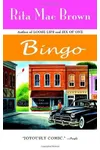
- Bingo (1988) – A direct sequel to the contemporary timeline of the first book, focusing on the sisters in their eighties as they disrupt local bingo nights and compete for the same man.
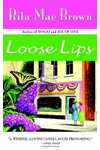
- Loose Lips (1999) – A prequel that rewinds the clock to the World War II era, showing how the town and the sisters navigated the wartime years.
- The Sand Castle (2008) – A heartwarming companion novella that captures a single, nostalgic summer beach day in the early 1950s.
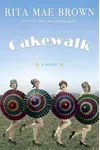
- Cakewalk (2016) – The final book published, which goes back to the post-World War I era of 1920 to explore the sisters' teenage years and a scandalous local wedding.
The Chronological Timeline Breakdown
If you prefer to read historical fiction in the order that events actually happened, you can read the books chronologically. However, keep in mind that the very first book, Six of One, is multi-generational and spans from 1908 all the way to 1980. If you want to follow the primary historical settings of each book, the chronological order is as follows:
- Cakewalk (Set in 1920) – Focuses on Juts and Wheezie as teenagers in the aftermath of the Great War, exploring early twentieth-century social changes.
- Loose Lips (Set from 1941 to the early 1950s) – Spans the home-front struggles of World War II and the immediate post-war period.
- The Sand Castle (Set in August 1952) – Takes the sisters and their young relatives to the beach for a slice-of-life summer getaway.
- Six of One (Set primarily from 1908 to 1980) – Acts as the anchor of the series, weaving back and forth to connect the sisters' youth with their senior years.
- Bingo (Set in the mid-1980s) – Picks up approximately seven years after the contemporary ending of Six of One, bringing the modern storyline to its hilarious peak.
Key Characters and Town Dynamics
To fully appreciate the humor and heart of Runnymede, it helps to understand the key figures who populate this border town:
- Louise "Wheezie" and Julia "Juts" Hunsenmeir: The feisty, bickering sisters at the absolute center of the series. Their lifelong rivalry starts over a simple hair ribbon in childhood and continues well into their eighties.
- Celeste Chalfonte: An aristocratic, wealthy, and fiercely independent lesbian heiress who defies the era's social norms with her wit, wealth, and progressive values.
- Fannie Jump Creighton: A spirited woman who runs a local speakeasy during Prohibition and stands as a pillar of nonconformity in the community.
- Nickel Smith: Juts's adopted daughter and a writer who acts as the narrator and framing voice for the modern segments of the saga.
What to Know Before You Start
Set directly on the Mason-Dixon Line between Maryland and Pennsylvania, the town of Runnymede serves as a metaphor for the dualities of its residents. Rita Mae Brown based the setting on her own upbringing in Hanover, Pennsylvania, and modeled the Hunsenmeir sisters after her mother and aunt. The series stands out in historical fiction for its early, positive depiction of LGBTQ+ characters (notably Celeste Chalfonte) and its sharp, feminist critique of traditional gender roles and class divides, all delivered with trademark Southern wit and cozy, small-town charm.