

How to Read the Sackett Series
Louis L’Amour’s Sackett family saga is one of the most celebrated achievements in Western and historical fiction. Spanning generations, centuries, and continents, the series follows the resilient, fiercely loyal Sackett family as they carve out a life from 1600s England to the untamed 19th-century American frontier. Because L’Amour did not write the books in order, readers face a classic choice: should you follow the chronological timeline of the family history, or read them in the order they were published?
The Recommended Starting Points
If you are new to the series, there are three primary entry points depending on your reading style:
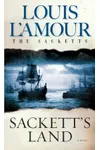
- Sackett’s Land (Chronological Start): If you want to watch the Sackett legacy unfold from the very beginning, start here. This novel introduces Barnabas Sackett in Elizabethan England and details his voyage to the New World. It sets the thematic foundation for the family's pioneer spirit.
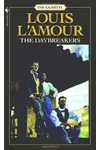
- The Daybreakers (Publication Start): This is the book that started it all. Published in 1960, it introduces the brothers Orrin and Tyrel Sackett as they move west to New Mexico after the Civil War. It has the classic, fast-paced L’Amour Western style.
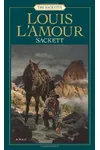
- Sackett (The Classic Western Entry): Spotlighting William Tell Sackett, this book is a fan favorite that captures the quintessential themes of the series: grit, treasure hunting, and fierce family loyalty.
Chronological Reading Order
Reading the series chronologically allows you to experience the Sackett family's evolution across generations. You’ll watch as they build a legacy from the early settlements of the East Coast, push through the Appalachian wilderness, and eventually become legendary gunslingers, lawmen, and ranchers in the American West. Here is the chronological path:
- Sackett’s Land (1974) – Follows Barnabas Sackett in the late 1500s/early 1600s as he flees England for America.
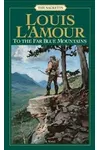
- To the Far Blue Mountains (1976) – Barnabas returns to America to build a home in the wilderness of Virginia.
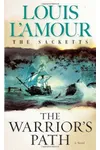
- The Warrior’s Path (1984) – Barnabas’s sons, Kin Ring and Yance, track down kidnapped pioneers.
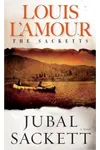
- Jubal Sackett (1985) – Barnabas’s third son, Jubal, explores the unexplored lands west of the Mississippi.
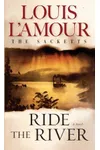
- Ride the River (1983) – Echo Sackett, a young woman from the Appalachian Mountains, travels to Philadelphia to claim an inheritance.
- The Daybreakers (1960) – Tyrel and Orrin Sackett migrate from Tennessee to New Mexico after the Civil War.
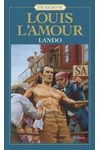
- Lando (1962) – Orlando Sackett struggles to survive a Mexican prison and reclaim his family's honor.
- Sackett (1961) – William Tell Sackett discovers a gold vein in a high mountain valley.
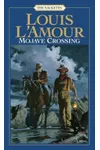
- Mojave Crossing (1964) – Tell Sackett travels across the brutal Mojave Desert to protect a beautiful woman.
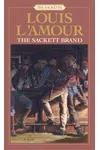
- The Sackett Brand (1965) – Tell Sackett is hunted by an angry mob, prompting the family to rally to his side.
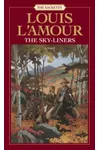
- The Sky-Liners (1967) – Flagan and Galloway Sackett face off against a ruthless outlaw gang.
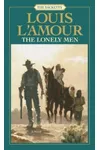
- The Lonely Men (1969) – Tell Sackett is lured into the Apache-controlled Sierra Madres on a rescue mission.
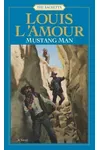
- Mustang Man (1966) – Nolan Sackett gets caught in a deadly dispute over hidden gold.
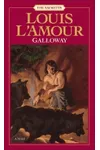
- Galloway (1970) – Galloway and Flagan Sackett establish a ranch in the mountains of western Colorado.
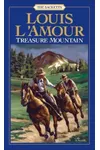
- Treasure Mountain (1972) – Tell and Orrin Sackett search for their lost father and a hidden treasure in the Rockies.
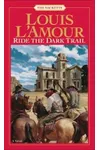
- Ride the Dark Trail (1972) – Logan Sackett defends an aging widow's ranch from greedy land grabbers.
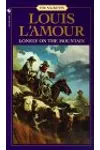
- Lonely on the Mountain (1980) – Tell, Orrin, and Tyrel Sackett drive a herd of cattle through the wilderness to aid their cousin Logan.
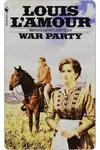
- War Party (1973) – A short story collection featuring the Sackett tale "Booty for a Badman".
- End of the Drive (1997) – A posthumous collection containing the story "The Courting of Griselda".
Publication Reading Order
If you prefer to see the Sackett lore expand organically in the order Louis L’Amour actually wrote them, follow the publication path. Reading in this order lets you appreciate how L’Amour slowly filled in the family tree, moving back and forth through history as inspiration struck.
- The Daybreakers (1960)
- Sackett (1961)
- Lando (1962)
- Mojave Crossing (1964)
- The Sackett Brand (1965)
- Mustang Man (1966)
- The Sky-Liners (1967)
- The Lonely Men (1969)
- Galloway (1970)
- Ride the Dark Trail (1972)
- Treasure Mountain (1972)
- War Party (1973)
- Sackett’s Land (1974)
- To the Far Blue Mountains (1976)
- Lonely on the Mountain (1980)
- Ride the River (1983)
- The Warrior’s Path (1984)
- Jubal Sackett (1985)
- End of the Drive (1997)
Understanding the Sackett Subseries & Branches
The Sackett family tree is vast, but the stories tend to group around specific branches of the family. Understanding these subseries helps make the reading journey much more manageable.
The Founders (Elizabethan Era)
Starting with Sackett's Land, this subseries focuses on the family’s patriarch, Barnabas Sackett, and his direct descendants. These stories are set in the 17th century and lean heavily into historical adventure, featuring pirates, wilderness exploration, and early colonial struggles.
The Tell Sackett Chronicles
William Tell Sackett is arguably the most famous family member. His stories (including Sackett, Mojave Crossing, The Sackett Brand, and The Lonely Men) follow a rugged, quiet drifter who frequently finds himself in trouble but is backed by the unbreakable code of his family. The peak of this subseries is The Sackett Brand, where the famous family rule is put on full display: "When you step on one Sackett's toes, they all come running."
The Daybreakers & The Clinch Mountain Sacketts
This branch follows Tell’s brothers, Tyrel and Orrin Sackett, as well as cousins like Galloway and Flagan. These books are set in the classic post-Civil War West and deal with cattle drives, lawmaking, and building ranches in New Mexico and Colorado.
The Broader Louis L’Amour Universe
For readers who want to dive even deeper, the Sacketts do not exist in isolation. Louis L’Amour envisioned a massive, interconnected "Three Family" saga that linked the Sacketts with two other prominent families: the **Talons** and the **Chantrys**. L’Amour intended these families to collectively tell the story of the American experience.
For example, in the novel Ride the River, Echo Sackett is assisted by a lawyer named Finian Chantry. Additionally, Em Talon (from the Talon series) was born a Sackett, creating a direct bloodline link between the two families. While L’Amour passed away before completing all planned crossover connections, following the chronological timeline of all three families reveals a deeply satisfying shared world.
Practical Reader Advice
Can these books be read as standalones? Yes! Louis L’Amour designed each book to be enjoyed on its own. He frequently provides enough context within each story so that you won't feel lost if you read them out of order. However, reading them in chronological order provides a much stronger sense of generational progression and historical scope.
Also, keep in mind that two of the entries—War Party and End of the Drive—are not full-length novels. They are short story collections that happen to include one Sackett story each. If you only want the novel-length adventures, you can skip the rest of the stories in those books, though they still offer classic Western entertainment.