



The Recommended Reading Order for the Santangelo Series
Spanning over three decades of publishing history, Jackie Collins' iconic Santangelo family saga is best experienced in the order the books were written. Reading in publication order allows you to experience the natural evolution of the characters, the changing landscape of Hollywood and Las Vegas, and the generational transition from Gino Santangelo to his indomitable daughter, Lucky. Although a prequel exists, starting there is not recommended for first-time readers.
The Publication Order
To follow the family's rise, scandals, and triumphs as Jackie Collins originally laid them out, read the books in this order:
- Chances (1981): The epic double-narrative that starts it all. It details the rise of street-smart Gino Santangelo in the early 20th-century mob scene alongside the childhood and early rebellious years of his daughter, Lucky.
- Lucky (1985): Lucky takes center stage as she fights to control her father's Las Vegas casino empire while navigating volatile romances and lethal underworld rivalries.
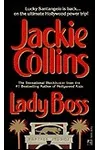
- Lady Boss (1990): Lucky takes her ambitions to Tinseltown, buying Panther Studios and going undercover as a secretary to root out corporate greed, sexism, and corruption.
- Vendetta: Lucky's Revenge (1996): Donna Landsman, the vengeful widow of Lucky's former husband, targets Lucky's Hollywood studio and her life.
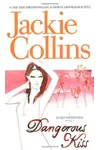
- Dangerous Kiss (1999): After a devastating personal tragedy, Lucky is forced to step back into the dangerous criminal underworld she tried to leave behind to protect her family.
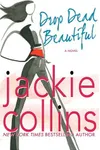
- Drop Dead Beautiful (2007): The saga transitions to the next generation, focusing on Lucky's teenage daughter, Maria, who gets targeted by a cyber-predator while Lucky builds a new Vegas mega-resort.
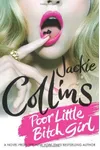
- Poor Little Bitch Girl (2010): A high-society murder mystery focusing on a younger cast in Beverly Hills, connected to the family through Lucky's son, Bobby Santangelo Stanislopoulos.
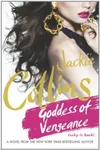
- Goddess of Vengeance (2011): Lucky's plans for a new Las Vegas hotel are threatened by a hostile takeover attempt from a Middle Eastern prince, forcing her to play her most dangerous hand yet.
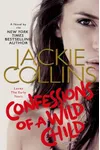
- Confessions of a Wild Child (2013): The prequel novel detailing Lucky's rebellious teenage years at age fifteen, showing how she became the force of nature seen in the main novels.
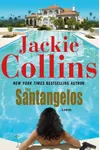
- The Santangelos (2015): Jackie Collins' final completed novel before her passing. It serves as an explosive grand finale for Lucky, Bobby, and the rest of the dynasty.
Chronological Order vs. Publication Order
If you are planning a reread or prefer to follow characters strictly in the order of their fictional lives, you can opt for the chronological order. The only adjustment is moving the 2013 prequel, Confessions of a Wild Child, to the very beginning of your reading list.
The Chronological Path
- Confessions of a Wild Child (Lucky at age 15)
- Chances (Gino's early life and Lucky's youth)
- Lucky
- Lady Boss
- Vendetta: Lucky's Revenge
- Dangerous Kiss
- Drop Dead Beautiful
- Poor Little Bitch Girl
- Goddess of Vengeance
- The Santangelos
Why You Should Start with Chances
While Confessions of a Wild Child takes place first chronologically, it is highly recommended that you start your journey with Chances. Published in 1981, Chances provides the grand, sweeping foundation of the family's history, introducing the raw ambition of Gino and the spark of Lucky. The prequel was written with the assumption that readers are already deeply familiar with Lucky's adult persona, her complex relationship with Gino, and her signature resilience. Reading the prequel first dampens the mystique of Lucky's introduction in the original novel.
The Core Eras of the Santangelo Family Saga
To help navigate this massive, ten-book story arc, it helps to understand that the series flows through three distinct thematic eras:
1. The Mob and Casino Era (Chances, Lucky)
These books establish the gritty foundation of the family. The focus is on organized crime, the transformation of Las Vegas from a desert outpost into a sparkling gambling mecca, and the power struggle between the old-school mafia patriarch Gino and his modern, ambitious daughter.
2. The Hollywood Mogul Era (Lady Boss, Vendetta, Dangerous Kiss)
In this era, Lucky moves away from the traditional mafia rackets and focuses on legitimate corporate dominance, specifically in the cutthroat movie business. She battles corporate raiders, industry sexism, and personal vendettas, showing that the boardroom can be just as deadly as the mob trial.
3. The Next Generation Era (Drop Dead Beautiful, Poor Little Bitch Girl, Goddess of Vengeance, The Santangelos)
Here, the narrative focus expands to include Lucky's children—her daughter Maria and her son Bobby. These stories tackle modern topics such as internet fame, high-society blackmail, and the difficulties of inheriting the legacy of a legendary family like the Santangelos.
Practical Reader Advice and FAQs
Before diving into the glitzy, high-stakes world of Jackie Collins, here are a few things to keep in mind:
- Can they be read as standalones? While individual books feature self-contained conflicts (like the studio takeover in Lady Boss), the overarching relationships, family tree, and ongoing vendettas make it highly advisable to read them in order. Skipping books will leave you confused about who is married to whom, who died, and why certain rivalries exist.
- The Spin-off Connection: Poor Little Bitch Girl was originally marketed with a heavier focus on a new cast of characters (Denver, Carolyn, and Annabelle). However, because Lucky's son Bobby Santangelo Stanislopoulos plays a massive role in the plot, and Lucky herself appears, it is considered an essential canon entry in the main series rather than a loose spin-off.
- Tone and Content: Jackie Collins' writing is famous for its fast-paced, dialogue-driven, and highly explicit nature. The series features mature themes, graphic romance, organized crime violence, and Hollywood scandals. It is a quintessential beach read, blending melodrama with genuine, empowering feminist undertones as Lucky routinely outsmarts the men who underestimate her.