
How to Read the Saucer Series in Order
If you are looking to dive into Stephen Coonts' adventures with ancient alien spaceships, the path forward is remarkably simple. The Saucer series is a straightforward trilogy where the publication order aligns perfectly with the internal chronology of the story. To get the best experience and watch the characters grow, you should read them in the order they were written.
Here is the recommended reading order for the Saucer series:
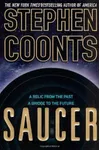
- Saucer (2002) – Seismic surveyor Rip Cantrell unearths a 140,000-year-old flying saucer buried deep under the Sahara Desert. This discovery triggers a global scramble, pitting Rip and test pilot Charley Pine against national governments and a greedy pharmaceutical billionaire eager to claim the alien craft.
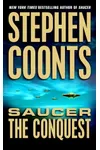
- Saucer: The Conquest (2004) – Charley Pine takes center stage as she uncovers a lunar conspiracy. A megalomaniac uses advanced technology stolen from Area 51 to hold the Earth hostage, forcing Charley and Rip back into the cockpit to save the planet.
- Saucer: Savage Planet (2014) – Ten years after the second book was published, Coonts returned to the series. Set just a year after the previous events, this installment features the discovery of a second saucer in the Atlantic Ocean. A pharmaceutical tycoon seeks to exploit it for an anti-aging drug, and the team must collaborate with Adam Solo—a near-human alien stranded on Earth for over a millennium.
Publication Order vs. Chronological Order
Because Stephen Coonts wrote the books in chronological order, there are no confusing prequels, spin-off anthologies, or companion novellas to worry about. However, readers should keep in mind the massive real-world gap in publication. While ten years passed between the release of The Conquest and Savage Planet, only about a year passes within the fictional timeline. Coonts does a seamless job catching readers up on the state of the world and character dynamics, so the transition remains smooth.
What to Know Before You Start
Stephen Coonts is best known for his intense, detailed military techno-thrillers, particularly the Jake Grafton series (starting with Flight of the Intruder). If you are coming to Saucer expecting heavy military tactics and grim geopolitical espionage, you will be surprised. The Saucer books are designed to be pure, unadulterated fun.
The series is a loving homage to classic 1950s pulp science fiction, combined with the fast pacing of a modern adventure thriller. It features quirky humor, government conspiracies, corporate greed, and a deep sense of wonder about what lies beyond our planet. Coonts brings his real-world experience as a naval aviator to the cockpit descriptions of the alien flying saucer, giving the impossible tech a satisfyingly detailed, tactile feel.
Meet the Key Characters
The charm of the trilogy relies heavily on its recurring cast of characters, who grow and adapt across the three books:
- Rip Cantrell: A young seismic surveyor who is the first to spot the buried saucer. He represents the everyday guy thrust into extraordinary circumstances, using his quick wits to survive.
- Charlotte "Charley" Pine: A former Air Force test pilot who is one of the few humans capable of handling the extreme demands of flying the saucer. She is brave, analytical, and frequently drives the action.
- Albert "Egg" Cantrell: Rip's uncle, a brilliant but eccentric scientist who helps decrypt the saucer's ancient alien computer systems and provides much-needed technical support (and comic relief).
- Adam Solo: Introduced in the third book, he is a telepathic alien who has secretly lived among humans for over a thousand years, waiting for his chance to call a rescue ship.
Can These Books Be Read as Standalones?
While Stephen Coonts writes in an accessible, recap-friendly style that allows a reader to jump in at any point, it is highly recommended that you start with the original 2002 Saucer. The first book sets up how the flying saucer works, establishes Rip and Charley's partnership, and introduces Uncle Egg. Reading them out of order would spoil major character development and dilute the thrill of discovering the alien technology alongside the characters.