




How to Read Seals: the Warrior Breed
The Seals: the Warrior Breed series by H. Jay Riker (a pen name for Navy veteran William H. Keith Jr.) is written in a direct, chronological timeline that matches its publication order. Because the narrative tracks the historical evolution of naval special operations—beginning with the World War II Underwater Demolition Teams (UDT) and progressing through the Vietnam War to modern post-9/11 conflicts—it is highly recommended to read the books in order of their release.
Seals: the Warrior Breed Books in Publication and Chronological Order
Here is the complete list of novels in the series, following their timeline of conflicts:
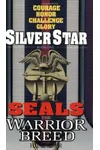
1. Silver Star (1993)
Set during World War II, the series debut introduces Lt. Joe Galloway as he helps form the Naval Combat Demolition Units (NCDUs) for the high-stakes amphibious invasion of Normandy on D-Day.
2. Purple Heart (1994)
The story shifts to the Pacific Theatre of World War II, following the newly designated Underwater Demolition Teams (UDT) as they clear obstacles ahead of brutal island campaigns in Saipan, Iwo Jima, and Okinawa.
3. Bronze Star (1995)
This novel transitions the series into the Vietnam War era. It depicts the official birth of the U.S. Navy SEALs and their early unconventional warfare operations in the murky waters of the Mekong Delta, centering on Kenneth Mariacher.
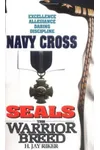
4. Navy Cross (1996)
Set during the mid-1960s, this installment dives deeper into clandestine combat missions in Vietnam. This book was co-authored by William H. Keith Jr.'s brother and frequent collaborator, J. Andrew Keith.
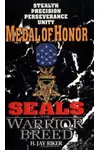
5. Medal of Honor (1997)
Set against the backdrop of the Tet Offensive, this novel highlights intense rescue operations and the extreme sacrifices made by SEAL teams behind enemy lines in Vietnam.
6. Marks of Valor (1998)
The conflict expands as Navy SEALs launch dangerous, highly classified cross-border operations into Cambodia and Laos to disrupt enemy supply lines.
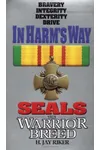
7. In Harm's Way (1999)
Focusing on the controversial and highly secretive Phoenix Program, this novel explores the dark, psychological, and tactical complexities of clandestine warfare in the latter stages of the Vietnam War.
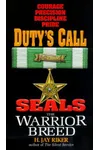
8. Duty's Call (2000)
Tracing the transitional period of the late Cold War, this book follows the teams as they handle sudden regional flashpoints and counter-insurgency operations around the globe.
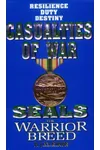
9. Casualties of War (2003)
This novel deals with the post-Vietnam era, focusing on regional crises in Central America and the Caribbean, including historical operations in Panama and Grenada, while examining the internal political struggles within military command.
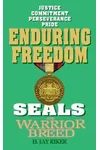
10. Enduring Freedom (2005)
The series leaps into the 21st century and the post-9/11 War on Terror. The SEALs deploy to the rugged, unforgiving mountain terrain of Afghanistan to hunt down Taliban and Al-Qaeda forces.
11. Iraqi Freedom (2007)
The final book in the series centers on modern special operations in Iraq, showcasing contemporary tactics, urban warfare, and the enduring bonds of the military brotherhood.
Where Should You Start Reading?
For the complete experience, you should start with Silver Star. Reading from the beginning allows you to appreciate the generational shifts in warfare technology, the evolution of U.S. Navy doctrine, and the recurring family lineages and brotherhood bonds that span the decades.
However, if you are primarily interested in a specific historical conflict, you can read sub-sections of the series as standalones. For instance, readers focused on the Vietnam War can start with Bronze Star and read through to In Harm's Way, while those who prefer contemporary military thrillers can pick up Enduring Freedom.
What to Know Before You Start
Author William H. Keith Jr. served in the Navy, which brings a high degree of technical accuracy, authentic military terminology, and realistic tactics to the novels. Rather than focusing on a single protagonist, the series functions as an ensemble piece tracking the lineage of the teams themselves. While the operational details are highly accurate, the primary characters and specific unit deployments are fictionalized to craft a compelling, action-packed narrative.