
The Recommended Reading Order: The Secret Series
The core of Pseudonymous Bosch's whimsical universe is The Secret Series, a pentalogy of middle-grade mystery novels. Each of the five main books is themed around one of the five human senses. To properly follow the character development of our young protagonists—Cass, Max-Ernest, and Yo-Yoji—and track their ongoing battle against the alchemical villains of the Midnight Sun, you should read these books in their original publication order.
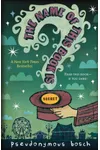
- The Name of This Book Is Secret (2007) – Theme: Smell. The adventure begins when survivalist Cass and the talkative Max-Ernest discover the "Symphony of Smells" and investigate the mysterious disappearance of a local magician.
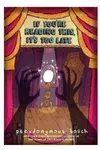
- If You're Reading This, It's Too Late (2008) – Theme: Hearing. The kids are officially initiated into the Terces Society, welcome their new bandmate Yo-Yoji, and search for a legendary homunculus.
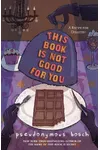
- This Book Is Not Good for You (2009) – Theme: Taste. A chocolate-fueled conspiracy unfolds when Cass's mother is kidnapped by the Midnight Sun, leading the trio to hunt down a legendary culinary secret.
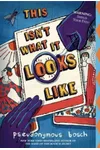
- This Isn't What It Looks Like (2010) – Theme: Sight. Cass falls into a deep, magic-induced coma, sending her mind back in time to the alchemical era where she uncovers the origins of the Midnight Sun.
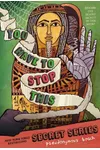
- You Have to Stop This (2011) – Theme: Touch. The final showdown involves a museum heist, a mummy's curse, and ancient alchemical secrets that tie all five senses together.
The Interactive Companion
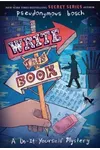
- Write This Book: A Do-It-Yourself Mystery (2013) – This unique interactive spin-off is structured as a writing tutorial and mystery. The author claims to have gone missing, leaving it to the reader to complete the story by solving puzzles, drawing, and writing dialog. For the best experience, read this after finishing the main five books.
The Spin-Off: The Bad Books Trilogy
Once you have finished the main series, you can step back into the same universe with The Bad Books. This spin-off trilogy is set at Earth Ranch, a mysterious summer camp for "wayward youths." The protagonist of this series is Clay, who is the younger brother of Max-Ernest from the original series. While it introduces new characters and settings, the overarching lore of the Terces Society and the author's signature self-conscious, footnote-heavy narration remain intact.
- Bad Magic (2014) – Clay is sent to Earth Ranch after getting in trouble for graffiti, only to find the camp hides strange magical occurrences and dangerous secrets.
- Bad Luck (2016) – Clay and his new friends explore deeper threats at Earth Ranch, dealing with rare creatures and suspicious camp directors.
- Bad News (2017) – The dramatic conclusion to the trilogy, resolving the mysteries surrounding Earth Ranch and its magical anomalies.
Other Works by the Author
Raphael Simon (writing as Pseudonymous Bosch) has also authored another series called The Unbelievable Oliver. This series consists of The Unbelievable Oliver and the Four Jokers (2019) and The Unbelievable Oliver and the Sawed-In-Half Dads (2020). However, it is aimed at younger readers (ages 8–10) and is not connected to the Secret Series universe. It follows a young, aspiring magician named Oliver and his friends solving local school-level mysteries.
What to Know Before You Start
Before diving into the world of Pseudonymous Bosch, keep the following tips in mind to enhance your reading experience:
- Embrace the Meta-Narrative: The narrator, Pseudonymous Bosch, is a character himself. He frequently interrupts the story with warnings, hilarious footnotes, and rants, even claiming that writing the book puts him—and you, the reader—in grave danger. Do not skip these interruptions, as they are a core part of the books' charm!
- Watch for Formatting Quirks: Chapters are sometimes numbered in reverse, written in code, or replaced with recipes. The books are designed to feel like interactive puzzles.
- Chronology vs. Publication: The chronological order matches the publication order exactly (with the minor exception of the time-travel elements in the fourth book). Read them strictly in the order they were released.
- Can the spin-offs be read standalone? While The Bad Books can technically be enjoyed on their own, you will miss out on key worldbuilding details, references to Max-Ernest's family, and the overall context of the secret society conflict if you haven't read the main pentalogy first.