

How to Read the Seven Sleepers Series
Written by the highly prolific Christian novelist Gilbert L. Morris, the Seven Sleepers series is a classic of Christian young adult fantasy and science fiction. Blending post-apocalyptic survival, allegorical spiritual elements, and Narnia-like portal fantasy, the series follows seven teenagers who are awakened from a fifty-year cryogenic sleep to fight for truth in a war-torn world known as Nuworld.
Because the overarching narrative follows a structured campaign against the dark forces of the Sanhedrin and their leader, the Dark Lord Necros, it is highly recommended to read the books in their original publication order. The main series consists of ten novels published between 1994 and 1997, followed by a seven-book follow-up series called Seven Sleepers: The Lost Chronicles, which was published in 2000.
The Core Series: Seven Sleepers Publication Order
The original ten-book series establishes the characters, the lore of Nuworld, and the primary conflict between the spiritual leader Goél and the wicked Sanhedrin priests. Here is the recommended reading order for the core series:
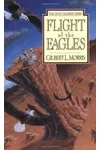
- Flight of the Eagles (1994): Introduces 14-year-old Josh Adams, who wakes up from stasis in a capsule 50 years after a nuclear war. He is met by Goél and must find and awaken the other six sleepers—Dave, Sarah, Abbey, Tam, Reb, and Jake—to form their team.
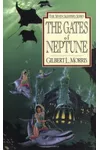
- The Gates of Neptune (1994): The Sleepers travel to an underwater realm to rescue the lost city of Atlantis, testing their faith and courage against aquatic monsters.
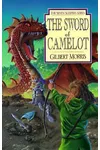
- The Sword of Camelot (1995): Morris blends Arthurian legend into the sci-fi landscape of Nuworld as the teenagers search for a mythical sword to aid in their spiritual battle.
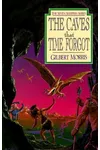
- The Caves That Time Forgot (1995): The Sleepers explore a subterranean prehistoric world filled with extinct creatures and dark spiritual tests.
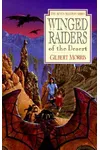
- Winged Raiders of the Desert (1995): Set in a scorching desert wasteland, the Sleepers face winged predators and must unite divided desert tribes.
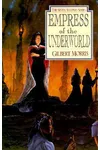
- Empress of the Underworld (1996): The group descends into a dark subterranean kingdom ruled by a cruel empress, highlighting themes of temptation and loyalty.
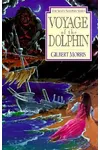
- Voyage of the Dolphin (1996): An adventurous ocean voyage on a sailing vessel where the Sleepers face storms, sea monsters, and learn to trust in Goél's timing.
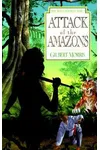
- Attack of the Amazons (1996): The Sleepers encounter a society of fierce warrior women, navigating cultural conflict, diplomacy, and the preservation of peace.
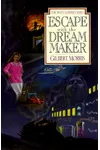
- Escape with the Dream Maker (1997): The teenagers must escape a deceptive, dream-like realm of illusions and false comforts created by a mysterious figure known as the Dream Maker.
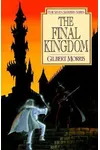
- The Final Kingdom (1997): The epic conclusion to the main series, featuring the ultimate confrontation between the followers of Goél and the forces of Dark Lord Necros.
The Follow-up Series: Seven Sleepers: The Lost Chronicles
Published in 2000, The Lost Chronicles consists of seven books that expand on the characters' adventures. Although these are billed as "lost" or side stories that occur during the group's active years, they are best read after completing the original ten-book run, as they assume familiarity with the world and characters. Here is the order for the companion series:
- The Spell of the Crystal Chair (2000): The Sleepers face a new magical threat and must break a powerful curse that has frozen a kingdom.
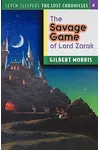
- The Savage Games of Lord Zarak (2000): Captured by an evil warlord, the team is forced to compete in a series of deadly games and gladiatorial trials.
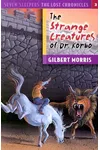
- The Strange Creatures of Dr. Korbo (2000): The Sleepers encounter a mad scientist creating mutated creatures, exploring themes of stewardship and creation.
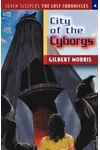
- City of the Cyborgs (2000): A highly technological story where the teenagers discover an automated city ruled by machines, questioning the line between humanity and technology.
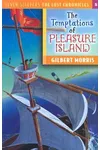
- The Temptations of Pleasure Island (2000): The team is lured to a paradise island of luxury and must resist temptations that threaten to distract them from their mission.
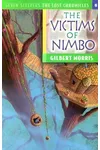
- The Victims of Nimbo (2000): The Sleepers assist a community of oppressed laborers, addressing issues of justice and leadership.
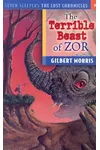
- The Terrible Beast of Zor (2000): The final adventure of the Lost Chronicles, where the Sleepers track down a massive beast terrorizing the countryside.
What to Know Before You Start
The series is set in Nuworld, a mutated Earth long after a devastating nuclear war. Genetic experimentation and radioactive fallout have resulted in fantastical creatures, underwater civilizations, and underground cities, allowing Morris to write stories that shift from classic high fantasy to hard science fiction.
As a prominent Christian series, the books are heavily allegorical. Goél serves as a Christ figure who provides guidance and assigns quests, while the Sanhedrin represent the forces of spiritual darkness. The seven main teenagers represent different personality types and spiritual struggles, from leadership doubts (Josh) to peer pressure and temptation, making their growth highly relatable to readers aged 10 to 14.
Chronological Order vs. Publication Order Caveats
Because The Lost Chronicles are episodic "untold adventures," some readers wonder if they should be integrated chronologically between the original books. However, Gilbert L. Morris did not leave explicit chronological markers for where the Lost Chronicles fit between books 1 and 9. Trying to interleave them can disrupt the narrative momentum of the main Sanhedrin conflict, which builds steadily toward the climax in The Final Kingdom. Reading the original ten books first, followed by the seven Lost Chronicles, remains the safest and most satisfying reading path.