






The Duel of Reading Orders: Chronological vs. Publication
Bernard Cornwell’s legendary Sharpe series is one of the pillars of historical fiction. Spanning more than two dozen novels and short stories, the series follows Richard Sharpe, a rough-edged, working-class soldier who rises from a common private to a decorated officer during the Napoleonic Wars. Because Cornwell wrote prequels and filled in chronological gaps over a span of forty years, readers are faced with a classic dilemma: read in the order the books were published, or follow Sharpe’s life chronologically?
The Verdict: Where Should You Start?
For most first-time readers, Publication Order is the recommended path. Starting with Sharpe’s Eagle (the first novel written and published) introduces you to the core elements of the series immediately: the gritty Peninsular War setting, Sharpe’s partnership with the towering Irish Sergeant Patrick Harper, and the thematic battle against both the French army and the snobbish British class system. Cornwell’s voice is established, and the stakes feel immediate.
If you prefer a compromise that establishes the characters from their first meeting, starting with Sharpe's Rifles is a fantastic alternative. It is technically a prequel written later, but it details how Sharpe gains command of his riflemen and first bonds with Patrick Harper during the harrowing retreat to Corunna in 1809.
If you are a completionist who wants to see Richard Sharpe grow from an illiterate, young private in the slums of London to a battle-hardened officer, then Chronological Order starting with Sharpe's Tiger is the way to go. Just be aware that the style and pacing of the prequel books (written in the late 1990s and 2000s) can differ slightly from the early 1980s novels.
Chronological Reading Order
This order follows Richard Sharpe's life and career as it unfolds historically from 1799 to 1821, taking him from India to Spain, Waterloo, and beyond.
- Sharpe's Tiger (1997) – Set in 1799. Sharpe is a private in India, tasked with infiltrating the stronghold of the Tippoo Sultan.
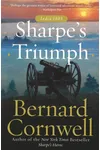
- Sharpe's Triumph (1998) – Set in 1803. Sharpe is now a sergeant, caught in the bloody Battle of Assaye.
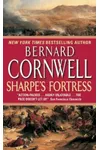
- Sharpe's Fortress (1999) – Set in 1803. Sharpe faces a treacherous siege at the fortress of Gawilghur, earning his commission as an officer.
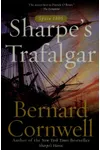
- Sharpe's Trafalgar (2000) – Set in 1805. Returning to England, Sharpe finds himself aboard an HMS battleship during the famous naval showdown.
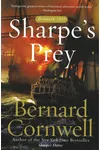
- Sharpe's Prey (2001) – Set in 1807. Sharpe is sent on a secret intelligence mission to Copenhagen just before the city is bombarded.
- Sharpe's Rifles (1988) – Set in 1809. The start of the Peninsular War Campaign. Sharpe takes command of the 95th Rifles during the retreat to Corunna.
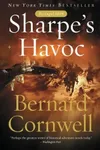
- Sharpe's Havoc (2003) – Set in 1809. Sharpe is separated from his regiment during the French invasion of Portugal.
- Sharpe's Eagle (1981) – Set in 1809. Sharpe must capture a French Imperial Eagle standard at the Battle of Talavera to secure his reputation.
- Sharpe's Gold (1981) – Set in 1810. Sharpe goes behind enemy lines to secure Spanish gold to finance Wellington's fortifications.
- Sharpe's Escape (1980) – Set in 1810. Sharpe is trapped behind French lines during the Battle of Bussaco.
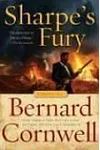
- Sharpe's Fury (2006) – Set in 1811. Sharpe navigates political intrigue and bloody street battles in Cadiz.
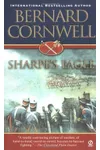
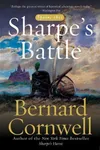
- Sharpe's Battle (1995) – Set in 1811. Sharpe is tasked with training an elite but untested Spanish guard unit.
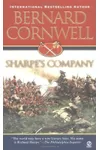
- Sharpe's Company (1982) – Set in 1812. Sharpe loses his rank and must fight through the brutal siege of Badajoz to regain his status.
- Sharpe's Command (2024) – Set in 1812. Sharpe leads a dangerous raid to destroy a vital bridge before the Battle of Almaraz.
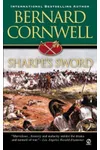
- Sharpe's Sword (1983) – Set in 1812. Sharpe faces a deadly French assassin during the Battle of Salamanca.
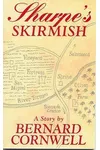
- Sharpe's Skirmish (1999) – Set in 1812. A short story detailing a defensive action at a small Spanish outpost.
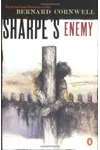
- Sharpe's Enemy (1984) – Set in 1812. Sharpe must rescue a group of hostages from a band of deserters in the Pyrenees.
- Sharpe's Honor (1985) – Set in 1813. Sharpe is framed for a crime he did not commit, leading to a duel and an escape.
- Sharpe's Regiment (1986) – Set in 1813. Sharpe returns to England to investigate corruption in his home battalion.
- Sharpe's Christmas (1994) – Set in 1813. A collection of two short stories (including Sharpe's Ransom, set in 1814) outlining holiday-themed adventures.
- Sharpe's Siege (1987) – Set in 1814. Sharpe is sent to capture a French coastal fortress but finds himself abandoned.
- Sharpe's Revenge (1989) – Set in 1814. With peace declared, Sharpe is falsely accused of stealing Napoleon's treasure and must clear his name.
- Sharpe's Waterloo (1990) – Set in 1815. The grand finale of the Napoleonic campaign, featuring the historic clash at Waterloo.
- Sharpe's Assassin (2021) – Set in 1815. Set immediately after Waterloo, Sharpe is sent on a high-stakes mission into occupied Paris.
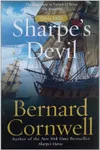
- Sharpe's Devil (1992) – Set in 1821. The final chronological book. Sharpe travels to South America and crosses paths with the exiled Emperor Napoleon.
Publication Reading Order
Reading in publication order allows you to see Bernard Cornwell grow as a writer and experience the mysteries of Sharpe’s past as they were originally revealed to the public.
- Sharpe's Gold (1981)
- Sharpe's Eagle (1981)
- Sharpe's Company (1982)
- Sharpe's Sword (1983)
- Sharpe's Enemy (1984)
- Sharpe's Honor (1985)
- Sharpe's Regiment (1986)
- Sharpe's Siege (1987)
- Sharpe's Rifles (1988)
- Sharpe's Revenge (1989)
- Sharpe's Waterloo (1990)
- Sharpe's Devil (1992)
- Sharpe's Christmas (1994)
- Sharpe's Battle (1995)
- Sharpe's Tiger (1997)
- Sharpe's Triumph (1998)
- Sharpe's Skirmish (1999)
- Sharpe's Fortress (1999)
- Sharpe's Trafalgar (2000)
- Sharpe's Prey (2001)
- Sharpe's Havoc (2003)
- Sharpe's Escape (2004)
- Sharpe's Fury (2006)
- Sharpe’s Assassin (2021)
- Sharpe's Command (2024)
Major Subseries and Campaigns
To make the massive series more manageable, it can be broken down into three distinct campaign arcs:
The India Trilogy (1799–1803)
Consisting of Sharpe's Tiger, Sharpe's Triumph, and Sharpe's Fortress, this subseries serves as Richard Sharpe's origin story. We see him as a young private, learn how he earned his promotion to sergeant, and follow his elevation to the officer ranks after the bloody assault on Gawilghur fortress. It is a vibrant, action-packed trilogy that sets the foundation for his character.
The Peninsular War Campaign (1809–1814)
This is the heart of the series, spanning from Sharpe's Rifles all the way to Sharpe's Revenge. Here, Sharpe leads his Chosen Men of the 95th Rifles and the South Essex Regiment across the battlefields of Portugal, Spain, and France. Key highlights include the famous siege of Badajoz in Sharpe's Company and the desperate defense of Wellington's lines.
Post-Waterloo and Late Additions (1815–1821)
Beginning with the classic climax in Sharpe's Waterloo, this group includes the post-war adventures. Sharpe's Assassin follows Sharpe into the treacherous streets of Paris directly after Waterloo, while Sharpe's Devil serves as an epilogue to his military career, taking him to South America to search for a missing friend.
Practical Reading Advice and Continuity Caveats
Because Bernard Cornwell wrote books like Sharpe's Command (2024) and Sharpe's Assassin (2021) decades after the original Peninsular War and Waterloo novels, first-time readers should watch out for a few minor continuity discrepancies. For instance, in Sharpe's Command, characters and relationship dynamics don't always align perfectly with the surrounding books written in the 1980s. Reading it strictly between Sharpe's Company and Sharpe's Sword can sometimes feel slightly jarring due to shifts in tone and character status. If you find these hiccups distracting, consider reading the late-release novels as standalone historical snapshots after you have finished the main Peninsular War run.
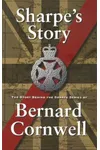
As for companion works, readers interested in the historical accuracy of the novels can look up Sharpe's Story (2007), a non-fiction companion written by Bernard Cornwell that details the history behind the battles and the creation of his famous character.