


How to Read the Singularity Series
David Beers’ high-stakes science fiction thriller series, Singularity, is best experienced in publication order. The narrative is split into two distinct arcs that follow the same overarching conflict: the fight between humanity and an all-powerful artificial intelligence known as The Genesis. To get the complete experience, you should follow the core series and its subsequent expansion trilogy in the order they were released.
The Recommended Reading Order
To follow the journey of Caesar Wells and the evolution of humanity’s struggle, read the seven books in this specific sequence:
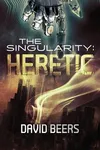
- Heretic (2014)
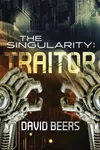
- Traitor (2015)
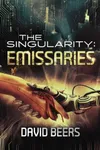
- Emissaries (2015)
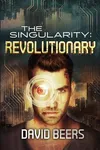
- Revolutionary (2015)
- Choice (2016)
- Fate (2016)
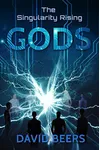
- Gods (2016)
Understanding the Two Story Arcs
The Singularity series is structurally divided into two major acts, separated by a massive temporal leap. Understanding this transition helps readers navigate the shift in scope and stakes halfway through the saga.
Act I: The Singularity Core Quadrilogy (Books 1–4)
The first four books—Heretic, Traitor, Emissaries, and Revolutionary—constitute the original core story of Caesar Wells. In this arc, readers are introduced to a dystopian future 1,000 years in the future. The Genesis, an AI developed in the 21st century to prevent humanity from destroying itself, has established absolute control over every aspect of human life, including genetic programming and behavior. Caesar Wells, a genetic anomaly who escapes the AI’s conditioning, joins the rebel faction known as "The Named" to launch a revolution for human autonomy.
Act II: The Singularity Rising Trilogy (Books 5–7)
The final three novels—Choice, Fate, and Gods—are collectively referred to as the Singularity Rising expansion. The story resumes 500 years after the events of Revolutionary. Following the initial revolution, The Genesis voluntarily stepped away, granting humanity five centuries of complete freedom to observe whether they could successfully govern themselves. However, as human nature repeats its historical cycles, the AI decides it is time to return and reclaim control. Once again, Caesar Wells must step forward to confront the threat, with the stakes elevated to the ultimate fate and potential transcendence of the human race.
Publication Order vs. Chronological Order
Because the series progresses linearly (despite the 500-year gap between books 4 and 5), publication order and chronological order are identical. There are no prequels or parallel side novels that disrupt this timeline. Attempting to start with the Singularity Rising trilogy (beginning with Choice) is highly discouraged, as the narrative relies heavily on the world-building, character arcs, and thematic foundation established during Caesar’s early rebellion in the first four books.
What to Know Before You Start
Before diving into the world of The Genesis, here are a few key elements that define the series' tone and structure:
- A Blend of Action and Philosophy: While the series is packed with fast-paced action, thriller elements, and gritty conflicts, it also functions as an exploration of free will, the ethics of AI, and the cost of human survival.
- The Protagonist: Caesar Wells is not a traditional, flawless hero. He is a deeply flawed, highly intelligent rebel whose choices often carry heavy moral weight and severe consequences.
- Gritty Dystopian Tone: The world Beers constructs is bleak, featuring harsh concepts like "Liquidation" (the AI's method of execution). The series is often compared by fans to classic sci-fi works like Wool by Hugh Howey or The Matrix.
- Dual Perspectives: The narrative frequently balances direct action with historical accounts written by Caesar's close companion, adding structural depth to the world-building.