
The Recommended Reading Order
The Sleeping Beauty Stories—written by gothic fiction master Anne Rice under the pseudonym A.N. Roquelaure—must be read in strict chronological order. Unlike some fantasy series where readers can jump around or start with spin-offs, this series follows a single continuous narrative that traces the life, captivity, and eventual reign of Queen Beauty.
Here is the recommended reading path for the series:
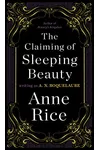
- The Claiming of Sleeping Beauty (1983)
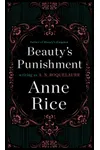
- Beauty's Punishment (1984)
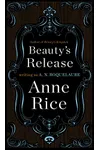
- Beauty's Release (1985)
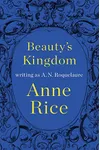
- Beauty's Kingdom (2015)
Understanding the Timeline and the Thirty-Year Gap
While the internal chronological timeline of the series flows directly from the first book to the fourth, there is a massive real-world gap in their publication history. The first three novels were written and released in rapid succession between 1983 and 1985. For decades, readers considered the series a completed trilogy. However, in 2015, Rice returned to the universe to publish Beauty's Kingdom.
This publication gap is mirrored in the story itself. The narrative of Beauty's Kingdom picks up twenty years after the events of Beauty's Release. As a result, the transition from the third book to the fourth feels natural, reflecting the maturity and changing perspectives of the characters as they step into leadership roles in a new era.
A Close Look at the Novels
1. The Claiming of Sleeping Beauty (1983)
The series begins with a dark reimagining of the classic fairy tale. In this opening installment, the prince does not awaken Sleeping Beauty with a simple kiss. Instead, she is awakened to a world of absolute submission. Taken to the prince's home kingdom, she is placed in the royal castle as an erotic servant. The book establishes the rules, power structures, and intense sensory environment of Roquelaure's fantasy realm, focusing on Beauty's initial initiation and sexual awakening.
2. Beauty's Punishment (1984)
The second book shifts the setting away from the confines of the royal palace. Beauty is sent out into the wider world, experiencing life as a servant in the village and later being sold at auction. This novel expands the scope of the world-building, introducing other key characters who share similar paths of submission, including the submissive prince Tristan. The narrative delves deeper into the psychological aspects of dominance, submission, and the loss of individual control.
3. Beauty's Release (1985)
In the third book, the characters face their most extreme challenges yet. Beauty and her fellow captives are taken to a foreign, exotic sultanate, introducing new cultural norms, power dynamics, and aesthetics to the series. The plot focuses on the search for freedom, the limits of endurance, and the ultimate resolution of Beauty's long period of captivity. By the end of this novel, the original arc of Beauty's servitude reaches its emotional and physical conclusion.
4. Beauty's Kingdom (2015)
Decades after the release of the third book, this final installment re-establishes the series as a quartet. Beauty and her husband, Laurent, return to the kingdom where her journey began, this time to claim the throne as its rulers. However, Beauty refuses to replicate the coercive structures of the past. She decrees that while the erotic traditions of the kingdom will continue, all participation and servitude must be entirely voluntary. The novel explores themes of consensual power dynamics, governance, and mature love.
What to Know Before You Start
Before diving into the Sleeping Beauty Stories, it is vital to understand that this series is explicit, adult erotica centered heavily on BDSM themes. Written in the early 1980s, the books were highly controversial and remain a frequent target of censorship and library challenges. Anne Rice chose the pen name A.N. Roquelaure (derived from an 18th-century French cloak) to write these books with complete creative freedom, untangled from her reputation as the author of Interview with the Vampire.
Readers should also note the shift in tone between the original 1980s trilogy and the 2015 novel. While the early books focus on non-consensual capture and absolute submission as fantasy tropes, the final book reflects a modern sensibility regarding consent, emphasizing agency, choices, and voluntary participation in the kingdom's erotic culture.