




How to Read the Special X Series
The Special X series, written under the collective pseudonym Michael Slade, is best read in publication order. While each novel presents a self-contained investigation featuring the Royal Canadian Mounted Police's (RCMP) Special X psycho-homicide unit, the personal lives, trauma, and career progressions of the recurring investigators develop continuously from book to book. Reading them in order allows you to follow the complex character arcs of key protagonists like Inspector Robert DeClercq, Zinc Chandler, and Nick Craven as they confront increasingly depraved killers.
Special X Books in Publication Order
Here is the complete list of Michael Slade's Special X novels in the order they were published, including alternative titles and key details:
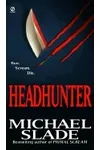
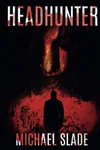
- Headhunter (1984) - The debut novel that introduces Inspector Robert DeClercq and the Special X unit as they hunt a serial killer who decapitates women in Vancouver.
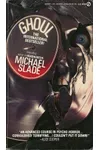
- Ghoul (1987) - A dark thriller blending the Vancouver underground music scene, HP Lovecraft mythology, and London's gothic horror history.
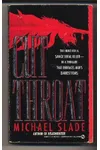
- Cutthroat (1992) - A global hunt stretching from the gold rush history of the Yukon to the triad underworld of Hong Kong.
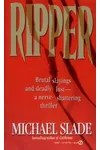
- Ripper (1994) - A gruesome mystery that ties modern satanic cult murders to the legacy of Jack the Ripper.
- Zombie / Evil Eye (1996) - Published under different titles depending on the market, this book focuses on Detective Nick Craven as the team is targeted by an insider.
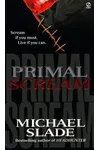
- Shrink / Primal Scream (1998) - Another dual-title release that dives deep into forensic psychology and the insanity defense.
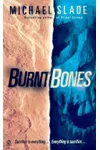
- Burnt Bones (1999) - A tale of ancient pagan rituals, Stonehenge, and archaeological mysteries mixed with modern horror.
- Hangman (2000) - A high-stakes thriller involving a twisted killer playing a real-life game of hangman with the police.
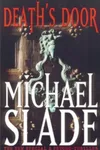
- Death's Door (2002) - A macabre mystery set against the backdrop of the gothic horror publishing industry and historical body snatchers.
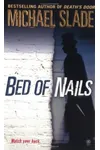
- Bed of Nails (2003) - An intense procedural that takes the investigators to the South Pacific and explores themes of cannibalism and modern cults.
- Swastika (2005) - The start of the WWII conspiracy thriller phase, dealing with Nazi Germany's occult projects and secret weapons.
- Kamikaze (2006) - A fast-paced thriller exploring Japanese military conspiracies from World War II and biological warfare.
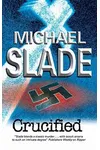
- Crucified (2008) - A Vatican-centered historical mystery introducing lawyer and historian Wyatt Rook, departing from standard RCMP procedures.
- Red Snow (2009) - Set during the 2010 Vancouver Winter Olympics, this novel brings the action back to British Columbia for a chilling hunt.
- Headhunter Reimagined (2018) - A complete structural rewrite and modern revision of the original 1984 debut novel.
What to Know Before You Start
Before diving into the dark waters of Special X, there are several key elements to keep in mind to fully appreciate the series:
1. The Michael Slade Identity
Unlike most authors, "Michael Slade" is not a single person but a collaborative pen name. It was conceived in the early 1980s by Canadian criminal lawyer Jay Clarke alongside his law partners John Banks and Richard Covell to write the debut novel, Headhunter. Over the years, the partnership evolved. Clarke remained the primary creative force and common denominator, but later books were co-authored with his wife Lee Clarke and his daughter Rebecca Clarke. This changing creative team explains some of the stylistic shifts throughout the series.
2. The Genre Fusion: "Mountie Noir" and Splatterpunk
Special X is famous for pioneered a distinct subgenre often called "Mountie Noir" or "police horror." Because Jay Clarke spent decades as a criminal defense lawyer specializing in the law of insanity—arguing over a hundred murder cases—the legal and forensic details in the books are meticulously researched and highly accurate. However, Slade wraps this procedural realism in graphic psychological horror and history. The series is known for its intense, sometimes shocking violence, placing it firmly in the splatterpunk and horror thriller camps.
3. The Reimagined Debut
In 2018, Jay Clarke released Headhunter Reimagined. This is not a simple copyedit or reprint, but a complete structural overhaul of the 1984 classic. Clarke used his decades of writing experience and modern internet access to restructure chapters, add new forensic details, and align the debut more closely with the later books. New readers face a choice: start with the raw, atmospheric intensity of the original 1984 version, or the cleaner, modernized pacing of the 2018 reimagined cut. Most purists recommend reading the original first to experience the book that launched the phenomenon.
4. The WWII and Historical Conspiracy Phase
In the mid-2000s, the series shifted from local Vancouver police investigations into global historical conspiracies. Books like Swastika, Kamikaze, and Crucified are often referred to by fans as the "Ghosts of WWII" cycle. They weave historical military secrets, occultism, and international intrigue into the narrative, shifting focus away from the Vancouver squad room.
The Role of Standalones and Spin-Offs
Within the Special X umbrella, Crucified occupies a unique slot. Although officially listed as the 13th book in the series, it functions largely as a standalone historical thriller. It introduces Wyatt Rook, a lawyer and researcher, and moves the setting away from the standard RCMP Special X squad. If you are interested in Vatican mysteries and WWII history but want to bypass the heavy police procedural elements of the earlier books, Crucified can easily be read on its own. However, for the full experience, it is best enjoyed as part of the overall publication sequence.