
The Recommended Splinter Cell Reading Order
Step into the shadowy world of Tom Clancy’s Splinter Cell, where high-tech espionage and heart-pounding action collide! While the franchise began as a blockbuster stealth video game series, its novels expand Sam Fisher’s universe, diving deeper into his personal struggles, moral complexities, and the inner workings of the NSA's secretive Third Echelon. For the best experience, readers should follow the books in order of publication. Because the series was written to follow the chronological development of Sam Fisher's character, the publication order matches the chronological storyline, making it the most seamless way to read the series.
Here is the recommended reading order for the Splinter Cell novels:
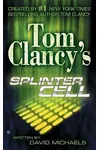
- Splinter Cell (2004) – Written by Raymond Benson under the pseudonym David Michaels. This debut novel introduces Sam Fisher as he battles The Shadows, a rogue Iranian terror group plotting a devastating attack on Baghdad. It establishes Sam's signature trifocal goggles, stealth suits, and tactical style.
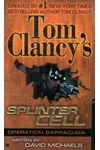
- Operation Barracuda (2005) – Written by Raymond Benson under the pseudonym David Michaels. Sam is tasked with investigating the destruction of a top-secret stealth plane, leading him into a treacherous web of international conspiracies spanning the globe.
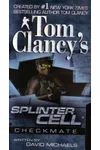
- Checkmate (2006) – Written by Grant Blackwood under the pseudonym David Michaels. Sam Fisher races against time to stop a shipping freighter carrying radioactive materials, dealing with nuclear threats and high-stakes maritime boarding.
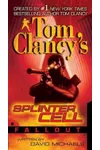
- Fallout (2007) – Written by Grant Blackwood under the pseudonym David Michaels. Sam faces a rogue Central Asian republic's attempt to orchestrate a geopolitical catastrophe, testing the limits of his physical endurance and technical gear.
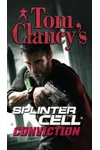
- Conviction (2009) – Written by Peter Telep under the pseudonym David Michaels. Not to be confused with the video game of the same name, this book details Sam's pursuit of a dangerous conspiracy involving stolen Russian weaponry and personal betrayal.
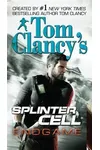
- Endgame (2009) – Written by Peter Telep under the pseudonym David Michaels. A companion piece to the Conviction novel, this story presents a parallel narrative focusing on the perspectives of the operatives hunting Sam Fisher.
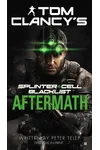
- Aftermath (2013) – Written by Peter Telep under his own name (originally published as Tom Clancy's Splinter Cell: Blacklist Aftermath). Sam and his new Fourth Echelon team race against time to prevent a billionaire from hiring Kremlin assassins, serving as a continuation of the post-game lore.
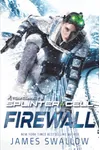
- Firewall (2022) – Written by James Swallow under his own name. Set in 2015, this entry shifts the dynamic as a veteran Sam Fisher trains the next generation of operatives, including his daughter, Sarah, as they work to neutralize a global cyberwarfare threat.
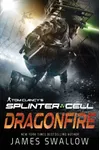
- Dragonfire (2023) – Written by James Swallow under his own name. Set in 2020, this high-stakes thriller takes Sam Fisher deep into North Korea on a mission that turns into a trap, forcing Sarah Fisher to initiate a rogue extraction mission to save her father.
Decoding the "David Michaels" Pseudonym
One of the most unique aspects of the Splinter Cell book series is its authorship. If you look at the covers of the first six books, you will see them credited to a single author named David Michaels. However, David Michaels is actually a publisher-owned house pseudonym. The series was passed between several prominent thriller writers who each brought their own flavor to the character of Sam Fisher:
- Raymond Benson: The author of the first two novels (Splinter Cell and Operation Barracuda). A veteran of the spy genre, Benson is famous for having written several official James Bond novels in the late 1990s and early 2000s, bringing that signature cinematic pacing to the series.
- Grant Blackwood: The author of the third and fourth novels (Checkmate and Fallout). Blackwood is a well-known military thriller novelist who later went on to co-write several Jack Ryan novels within the Tom Clancy universe.
- Peter Telep: The author of the fifth and sixth novels (Conviction and Endgame), as well as the seventh novel, Aftermath. With Aftermath, the publisher retired the David Michaels pseudonym, allowing Telep to be credited under his real name.
- James Swallow: The author of the modern novels (Firewall and Dragonfire). Swallow is a veteran tie-in novelist and scriptwriter who has written for franchises like Star Trek, Warhammer 40k, and Deus Ex.
How the Books Align with the Video Games
Understanding the relationship between the games and the novels is crucial for any reader. While the early novels (books one through four) exist in a loose, alternate-continuity universe—often contradicting the timelines or background lore established in the original games—the later books align much more closely with the gaming universe:
- The Early Era: The first four novels are best enjoyed as standalone, self-contained adventures. They capture the stealth and espionage flavor of the original games but do not directly adapt the game plots.
- The Conviction & Blacklist Era: The graphic novel Splinter Cell: Echoes serves as an essential bridge. It details the transition between the events of the video game Splinter Cell: Conviction and the game Splinter Cell: Blacklist, showing how Sam Fisher joined Fourth Echelon. The book Aftermath takes place directly in this era.
- The Modern Era: James Swallow’s books Firewall (set in 2015) and Dragonfire (set in 2020) are widely considered canonical extensions of the modern gaming universe. They detail Sam Fisher's aging process, his evolving relationship with his daughter Sarah, and how Third Echelon's successor, Fourth Echelon, operates.
What to Know Before You Start
If you are a newcomer to Splinter Cell, you do not need to have played any of the video games to enjoy the books. The authors do a fantastic job of introducing Sam Fisher, the mechanics of stealth operations, and the high-tech gadgets at his disposal. While the books feature Tom Clancy's name, Clancy had minimal direct involvement in the writing of these novels; they are licensed tie-ins created by Ubisoft. However, they perfectly preserve the military accuracy, geopolitical tension, and fast-paced action that fans of Clancy's work expect.