


The Recommended Reading Path
For readers diving into the world of the Lytton family, there is only one correct way to read The Spoils of Time trilogy: by order of publication. Because the trilogy is a continuous, multi-generational saga where events in the first book directly trigger the conflicts and character development in the later volumes, jumping in midway will lead to major spoilers and confusion. The books are not standalones and should be enjoyed as a single, massive story divided into three volumes.
The Spoils of Time Publication Order
Penny Vincenzi published the trilogy over a three-year period in the early 2000s. Here is the order of the books with their release years and core plotlines:
1. No Angel (2000)
The saga begins in the Edwardian era, around 1908, and follows the young aristocrat Celia Beckenham as she marries Oliver Lytton, the heir to the prestigious Lyttons publishing house in London. Defying societal expectations of the early 20th century, Celia actively joins the family business, making bold and sometimes ruthless decisions that alter the lives of everyone around her. The narrative spans the devastating years of World War I and the early 1920s, introducing the key relationship between the Lyttons and Barty Miller, a child from the London slums whom Celia takes under her wing.
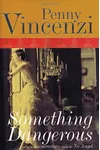
2. Something Dangerous (2001)
The second installment moves the story into the high-society glamour of the 1920s, the Great Depression of the 1930s, and the dark shadow of World War II. The focus shifts toward the next generation: Oliver and Celia's twins, Adele and Venetia. As Nazi Germany threatens Europe, the family's publishing empire faces new perils. Meanwhile, Barty Miller grows into a brilliant, ambitious young woman, eventually moving to New York to manage the American branch of the Lyttons' publishing house, setting up a clash of loyalties and secrets.
3. Into Temptation (2002)
The final volume of the trilogy picks up in the post-WWII era, tracking the family through the social changes of the mid-20th century. With the publishing house facing financial instability and the family fractured by long-held secrets, Celia Lytton makes a shocking decision that threatens the future of the entire Lytton dynasty. The book brings the multi-decade saga to a resolution, highlighting the themes of ambition, sacrifice, and the enduring bonds of family.
Chronological Timeline and Historical Milestones
The trilogy covers approximately sixty years of historical turbulence, seamlessly blending the fictional lives of the Lyttons with major real-world milestones. Here is how the timeline progresses across the three books:
- Edwardian Era and World War I (No Angel): Focuses on the changing role of women, the suffrage movement, and the devastating impact of the war on British society and the publishing industry.
- The Interwar Years and World War II (Something Dangerous): Examines the decadence of the 1920s, the economic crash of 1929, the rise of fascism in Europe, and the Blitz in London.
- Post-War Recovery and Mid-Century Shifts (Into Temptation): Explores the changing dynamics of the publishing trade, transatlantic ties between London and New York, and the emergence of modern corporate and social structures.
Key Characters and Family Dynamics
The appeal of the series lies in its complex, flawed characters. Key figures to look out for include:
- Celia Lytton: The driving force of the trilogy, whose charm and ambition make her a formidable matriarch, though her manipulative tendencies often border on the destructive.
- Oliver Lytton: Celia's husband, who represents the traditional side of the publishing house and struggles to balance his love for Celia with his duties to the family legacy.
- Barty Miller: Rescued from poverty, Barty is a parallel protagonist who serves as a foil to Celia, possessing the same sharp intellect and ambition but fighting for her place in a world that views her as an outsider.
- Adele and Venetia Lytton: The twins whose distinct personalities lead them down very different romantic and personal paths during the tumultuous mid-century.
What to Know Before You Start
Before launching into the series, readers should keep a few practical points in mind. Each novel is a substantial undertaking, averaging between 500 and 700 pages, characterized by a large ensemble cast and multiple overlapping subplots. Vincenzi's writing style is highly descriptive, combining detailed accounts of historical fashion and high society with intense family drama. Furthermore, there are no spin-offs, prequels, or companion novels set in the same universe. Vincenzi kept the series strictly confined to this core trilogy, meaning your reading journey begins with the first page of No Angel and concludes with the final page of Into Temptation.