



Recommended Reading Path: Where to Start
Because the Stagecoach Station books were written as standalone frontier adventures rather than a single continuous narrative, readers have absolute freedom in how they approach the series. However, to get the best feel for the series' style and evolution, we recommend two main approaches:
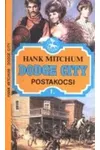
- The Publication Order (Recommended): Start with the very first book, Dodge City (1982). This novel establishes the typical layout, pace, and formula of the series, giving you the perfect introduction to the style crafted by the series' creators.
- The Historical Interest Route: Since each book is set in a specific iconic Western locale (like Tombstone, Deadwood, or El Paso) and frequently features real historical figures, you can easily select books based on the settings or historical events that interest you most.
The Complete Stagecoach Station Books in Publication Order
If you prefer to follow the trail in the exact order these novels hit the shelves between 1982 and 1991, here is the complete publication order. Every book was published under the collective pseudonym Hank Mitchum:
- Dodge City (1982)
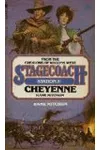
- Cheyenne (1982)
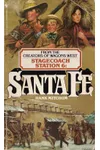
- Santa Fe (1983)
- Tombstone (1983)
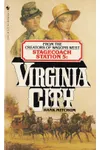
- Virginia City (1983)
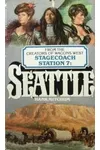
- Seattle (1983)
- Laredo (1983)
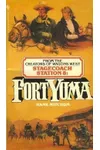
- Fort Yuma (1983)
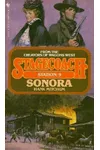
- Sonora (1983)
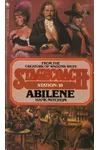
- Abilene (1984)
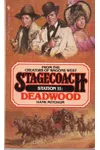
- Deadwood (1984)
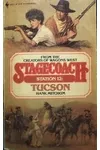
- Tucson (1984)
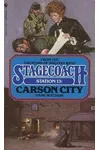
- Carson City (1984)
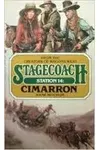
- Cimarron (1984)
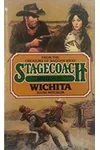
- Wichita (1984)
- Casa Grande (1985)
- Durango (1985)
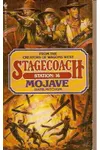
- Mojave (1985)
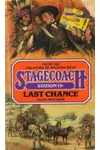
- Last Chance (1985)
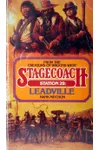
- Leadville (1985)
- Fargo (1985)
- Devil's Canyon (1986)
- El Paso (1986)
- Pecos (1986)
- Mesa Verde (1986)
- San Antonio (1986)
- Tulsa (1986)
- Taos (1987)
- Royal Coach (1987)
- Death Valley (1987)
- El Dorado (1987)
- Panhandle (1987)
- Rawhide (1987)
- Fort Verde (1988)
- Deadman Butte (1988)
- Bonanza City (1988)
- Casper (1988)
- Shawnee (1988)
- Grand Teton (1988)
- Socorro (1989)
- Fort Davis (1989)
- Silverado (1989)
- Red Buffalo (1989)
- Apache Junction (1989)
- Presidio (1989)
- North Platte (1990)
- Juárez (1990)
- Buffalo Station (1990)
- Gila Bend (1990)
- Buckskin Pass (1990)
- Wild West (1990)
- The Last Frontier (1991)
Chronological Order & Timeline Caveats
Unlike chronological series that follow a single hero or family lineage, Stagecoach Station works like an anthology. The books bounce around both geographically and temporally across the late 19th-century American West. For instance, the first book, Dodge City, takes place in 1878 Kansas, while the fourth book, Tombstone, jumps to Arizona in 1881. Because of these constant jumps, trying to read the series in a strict chronological sequence offers little benefit to continuity. Stick to the publication order or jump around as you please.
Behind the House Name: Who is Hank Mitchum?
The name on the cover of all 52 novels is Hank Mitchum, but no such author exists. The pseudonym was a house name created by Bantam Books and Book Creations Inc. to maintain a consistent brand for the series. The project was initiated by author D.B. Newton, who mapped out the initial concept. Over its nine-year run, several prolific Western authors filled the boots of Hank Mitchum. Most notably, James Reasoner wrote a significant portion of the novels (including late-series entries like The Last Frontier and Wild West), while Will C. Knott also contributed major titles. Because of this rotating roster of writers, you might notice subtle shifts in pacing or depth from book to book, though the core formula remains highly consistent.
What to Know Before You Start
Before you embark on your reading journey, keep these helpful details in mind:
- Historical Cameos: While the primary protagonists of each novel are fictional, the authors took great pride in weaving real-life frontier legends into the storylines. Expect to see historical cameos from the likes of Wyatt Earp, Doc Holliday, Bat Masterson, and the Pinkertons.
- Formulaic but Entertaining: The series was produced as popular, fast-paced pulp Western fiction. The plots often follow a dependable structure containing a central mystery, a dash of romance, a struggle between law and lawlessness, and a climactic shootout.
- Standalone Nature: You don't have to worry about missing cliffhangers or carrying plot points over. If you find a cheap copy of book #30 in a used bookstore, you can dive right in without having read the previous 29.