



The Recommended Starting Points for Stillmeadow
Because the Stillmeadow books are memoirs and collections of essays rather than serialized novels, you do not need to follow a strict chronological sequence to enjoy them. However, choosing the right starting point makes a significant difference in how you connect with Gladys Taber's world. If you want to experience the classic seasonal rhythm of the farmhouse, the best place to start is The Book of Stillmeadow (1948) or Stillmeadow Seasons (1950). These works establish Taber’s signature 'diary of domesticity' format, taking readers month-by-month through the joys of gardening, cooking, and country living.
For readers who prefer a broad overview before committing to individual volumes, The Best of Stillmeadow (1976) is a curated treasury compiling highlights from her early and mid-career books. It serves as an excellent introduction to her lyrical style and dry wit. While Harvest at Stillmeadow (1940) was the first published title, it consists of early column compilations that can feel slightly more disjointed than her later, more cohesive memoirs.
Stillmeadow Books in Publication Order
Reading the books in order of publication allows you to witness the natural evolution of Gladys Taber's life, her changing household, and the passage of decades at the Connecticut farm. Here is the chronological sequence of the primary Stillmeadow memoirs and major animal-centric companions:
- Harvest at Stillmeadow (1940) - The initial collection of columns introducing readers to the 1690 farmhouse.
- The Book of Stillmeadow (1948) - The classic month-by-month diary of country life.
- Stillmeadow Seasons (1950) - A seasonal exploration of New England weather, chores, and natural beauty.
- Stillmeadow and Sugarbridge (1953) - A co-authored collection of letters between Gladys Taber and her friend Barbara Webster, contrasting Connecticut farm life with Pennsylvania country living.
- Stillmeadow Daybook (1955) - Another year-in-the-life journal detailing the daily routines and small wonders of the farm.
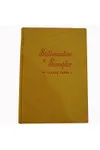
- Stillmeadow Sampler (1959) - A warm reflection on the philosophy of simplicity, neighbors, and rural values.
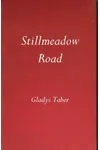
- The Stillmeadow Road (1962) - A look back at twenty years of living at the farmhouse, capturing the changing landscape.
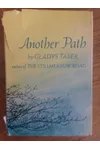
- Another Path (1963) - A deeply personal volume focusing on grief, recovery, and finding hope after a profound personal loss.
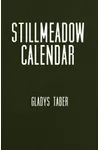
- Stillmeadow Calendar (1967) - A return to the month-by-month format, detailing the circular nature of time and memory.
- Especially Dogs... Especially Stillmeadow (1968) - A memoir dedicated to the generations of cocker spaniels and Irish setters that shared the farm.
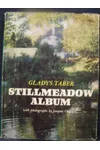
- Stillmeadow Album (1969) - A visual and narrative tour of the farmhouse, featuring photographs alongside Taber's descriptions.
- Reveries at Stillmeadow (1970) - A late-career retrospective filled with quiet wisdom and appreciation for daily life.
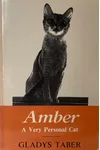
- Amber, A Very Personal Cat (1970) - A heartwarming tribute to her Abyssinian companion, Amber.
- The Best of Stillmeadow: A Treasury of Country Living (1976) - An authorized anthology of her most popular farmhouse essays.
- Conversations with Amber (1978) - Taber's final animal-focused book, featuring reflective dialogues and memories with her beloved cat.
Chronological Continuity and Life Transitions
Though episodic, the Stillmeadow series possesses a powerful real-life narrative arc. In the early books, Gladys Taber shares the home with her lifelong friend Eleanor Sanford Mayer (referred to affectionately in the books as 'Jill'), along with their children and a lively pack of cocker spaniels. These books are full of busy household energy, weekend guests from New York, and shared chores.
A major shift occurs in the early 1960s. Following the death of Eleanor Mayer in 1960, the tone of the series transitions from busy domesticity to quiet contemplation. Another Path (1963) is the crucial transition point where Taber writes openly about her grief and the process of learning to live alone at Stillmeadow. Reading the books in order helps contextualize this emotional landscape, transforming the later books like Stillmeadow Calendar and Reveries at Stillmeadow into deeply moving studies of resilience and aging.
Subseries, Spin-Offs, and Companion Books
Gladys Taber was a prolific writer who published dozens of books beyond her core memoirs. Several of these spin-offs are essential reading for Stillmeadow fans who want to dive deeper into specific aspects of her lifestyle.
The Culinary Side: Stillmeadow Cookbooks
Food was central to the hospitality at the farmhouse. Taber published several popular cookbooks that combine recipes with short essays about country entertaining. These include Stillmeadow Kitchen (1947), What Cooks at Stillmeadow (1958), Stillmeadow Cookbook (1965), and My Own Cookbook (1972). They are perfect companions for readers who want to recreate the hearty, mid-century New England meals described in the memoirs.
The Animals of Stillmeadow: Dogs and Cats
Animals were never just background characters at the farm; they were family. Taber's pet-centric books offer detailed, affectionate profiles of her companions. In addition to Especially Dogs and the Abyssinian cat memoirs Amber, A Very Personal Cat and Conversations with Amber, readers should look for Especially Spaniels (1945), which focuses on her early years breeding and raising cocker spaniels.
Practical Reading Advice for Newcomers
When starting your journey, keep in mind that these books reflect the social norms and domestic styles of mid-20th-century America. They offer a comforting, nostalgic escape, but they also document a specific era of rural history. You do not need to rush through them; they are best read slowly, perhaps one chapter at a time, to match the quiet pace of the seasons they describe. If you find the early column collections in Harvest at Stillmeadow hard to get into, skip ahead to The Book of Stillmeadow or Stillmeadow Seasons to experience Gladys Taber's essay writing at its peak.