






The Recommended Reading Path for Stony Man
If you want to experience Stony Man the way it was meant to be read, the path is straightforward: start at the very beginning and follow the publication order. Unlike fantasy epics with sprawling timelines, the Stony Man series functions primarily as an episodic action-thriller saga. This means you do not need to stress about mapping out complex chronological charts. Instead, reading the books in the order they were released lets you watch the evolution of the characters, the progression of real-world military tech, and the shift in geopolitical threats from the tail end of the Cold War to the rise of cyber warfare.
Here is how you should structure your reading path:
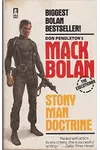
- Step 1: Start with the Foundation. Your absolute first read must be Stony Man Doctrine (1983). Written by franchise creator Don Pendleton, this book serves as the definitive origin story and crossover event that establishes the Stony Man organization.
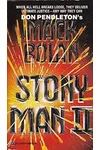
- Step 2: The Numbered Series. Jump to Stony Man II (1991), which launched the ongoing, numbered bi-monthly series. Follow this sequence all the way through to Exit Strategy (2015), the final book in the original Gold Eagle run.
- Step 3: Optional Retro-Reading (The Separate Years). If you find yourself loving the dynamic between Able Team and Phoenix Force, you can pause after Stony Man Doctrine and check out their respective standalone series from the 1980s before continuing with Stony Man II.
Understanding the Stony Man Universe: A Quick Chronology
To fully appreciate how the Stony Man series fits together, it helps to understand its origins. The Stony Man universe did not appear overnight; it was built on the back of Don Pendleton’s legendary character, Mack Bolan (The Executioner). As the Executioner franchise grew, the publisher wanted to expand Bolan's world. This led to the creation of two specialized spin-off teams in 1982: Able Team (focusing on domestic threats) and Phoenix Force (focusing on international operations).
For nearly a decade, these two groups operated in their own separate, concurrently running book series under various ghostwriters. However, in 1991, Gold Eagle Books made the strategic decision to discontinue the standalone Able Team and Phoenix Force lines. They merged the characters, the setting, and the missions into one single, unified series: Stony Man. Starting with Stony Man II, the books became a permanent home for both teams, delivering a consistent stream of high-stakes adventures under a single brand until the imprint closed down in 2015.
Meet the Stony Man Operatives and Staff
At the center of all the action is Stony Man Farm, a highly classified facility nestled in Virginia’s Blue Ridge Mountains. On the surface, it looks like a typical rural farm, but underneath, it is a state-of-the-art command center. The characters who inhabit this base are split between active field teams and the critical intelligence staff supporting them:
Able Team: The Domestic Specialists
Able Team is Stony Man’s three-man strike force designed to handle high-risk situations within the borders of the United States. They excel in urban warfare, domestic counter-intelligence, and infiltration:
- Carl Lyons: A former LAPD detective, Lyons is the hard-boiled, relentless leader of the team, often nicknamed "Ironman."
- Rosario "Pol" Blancanales: A highly skilled veteran known for his psychological warfare expertise, empathy, and ability to blend in anywhere.
- Hermann "Gadgets" Schwarz: The electronics and surveillance genius of the group, capable of bypass-wiring any security system or rigging complex tactical equipment.
Phoenix Force: The International Shield
Phoenix Force is a five-man international unit sent to resolve global crises, hostage situations, and threats from rogue nations outside the US. The original lineup featured:
- Yakov "Katz" Katzenelenbogen: An Israeli military veteran and tactical genius who served as the team's initial leader.
- David McCarter: A fiery, tea-drinking former British SAS commando and expert pilot.
- Gary Manning: A Canadian demolition and explosives expert.
- Rafael Encizo: A Cuban freedom fighter who survived the Bay of Pigs and Castro’s prison camps.
- Keio Ohara: A Japanese martial arts and tech specialist (later succeeded by Calvin James and T.J. Hawkins as the roster evolved).
The Support Crew at the Farm
No mission would succeed without the command staff coordinating operations from the Virginia headquarters:
- Hal Brognola: The Director of Stony Man SOG. Hal acts as the direct liaison to the President of the United States, keeping the team's activities hidden from Congress and other intelligence agencies.
- Barbara Price: The mission controller who manages logistics, coordinates deployments, and keeps the operatives focused.
- Aaron "The Bear" Kurtzman: The wheelchair-bound computer wizard who runs the cyber division, providing real-time data to teams in the field.
Publication Order vs. Chronological Caveats
Because Stony Man was written by a rotating team of ghostwriters under the house name Don Pendleton (or Gar Wilson for Phoenix Force books), continuity is loose. The books were designed to be purchased off spinner racks in grocery stores and airport gift shops, meaning each novel had to be accessible to a first-time buyer.
As a result, you will not find major cliffhangers or multi-book story arcs that force you to read everything in a single sitting. In fact, a few minor timeline discrepancies exist, particularly concerning the ages of the characters, which remain largely frozen in time across the decades. Reading in publication order is still recommended because it ensures that major roster changes (such as Yakov Katzenelenbogen’s retirement or the introduction of new members like Calvin James and T.J. Hawkins) occur in a logical sequence.
Practical Reader Advice
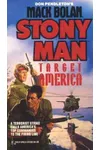
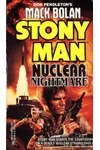
Can you read these books as standalones? Absolutely. If you pick up a random book like Target America or Nuclear Nightmare, you will have no trouble understanding the plot. The authors always take a few pages in the early chapters to re-introduce the main characters, their roles, and the Stony Man Farm setup.
However, if you want a satisfying experience, we recommend starting with the original 1983 Stony Man Doctrine. It remains the most cinematic entry in the franchise and perfectly captures the high-intensity, Reagan-era action-adventure style that defined the series. If you enjoy the classic military thriller aesthetics of Tom Clancy or Marcinko’s Rogue Warrior, the Stony Man books will be right up your alley.