
The Recommended Reading Order for Storm Runners
When it comes to reading Roland Smith's high-octane Storm Runners series, the path is straightforward. Because the trilogy follows a continuous narrative arc with immediate transitions between books, you must read them in the order of their publication. Reading them out of order will result in major spoilers and immediate confusion regarding the plot and character fates.
Here is the recommended reading order for the trilogy:
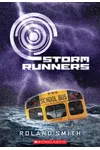
- Storm Runners (Published in 2011) – The adventure begins as Chase Masters and his father track Hurricane Emily in Florida, leading to a catastrophic school bus crash in floodwaters.
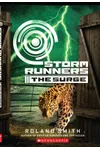
- The Surge (Published in 2011) – Picking up seconds after the cliffhanger of the first book, Chase must navigate rising waters, dangerous wildlife, and escaped circus animals to keep his classmates alive.
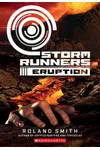
- Eruption (Published in 2012) – The final chapter moves the survival action to Mexico, where Chase faces an entirely new set of threats in the shadow of a rumbling volcano.
Detailed Breakdown of the Trilogy
1. Storm Runners (2011)
The series introduces readers to thirteen-year-old Chase Masters. After surviving a lightning strike that changed their lives, Chase and his father, Mark, travel the country chasing storms. When they target Hurricane Emily, a category five storm headed for Florida, Chase is sent to stay at a circus farm run by the Rossi brothers. As the storm intensifies, Chase and his classmates Nicole and Rashawn find themselves trapped when their school bus plunges into a swamp. To survive the night, Chase has to rely on the rescue techniques his father taught him while dodging raging winds and alligator-infested waters.
2. The Surge (2011)
The second book in the series picks up the narrative immediately where the first left off. The storm has passed, but the danger is far from over. The floodwaters are rising rapidly, and the environment is highly unstable. In addition to natural hazards, Chase and his friends must deal with dangerous escaped circus animals, including a ferocious leopard. This installment emphasizes themes of teamwork, adaptability, and survival under extreme physical pressure as the kids try to find safety and reunite with their families.
3. Eruption (2012)
The conclusion of the trilogy takes the characters away from the Florida swamps and into the volcanic landscapes of Mexico. Chase travels to help the Rossi family transition their circus troupe. However, nature has other plans, and they find themselves in the middle of a massive earthquake that triggers the awakening of a nearby volcano. With ash falling from the sky and lava threatening to consume the area, Chase is forced to put his survival skills to the ultimate test in a race against time.
Publication Order vs. Chronological Order
For the Storm Runners trilogy, publication order and chronological order are identical. There are no prequels, short stories, or companion novellas that disrupt this timeline. The story is designed to be read as one continuous, fast-paced saga. In fact, The Surge begins exactly where Storm Runners ends, making them feel more like chapters of a single massive book rather than separate episodic stories.
Crucial Reader Advice: Clearing Up the Name Confusion
When searching for these books, it is easy to run into confusion with another popular middle-grade series. Readers should note the difference between:
- Storm Runners by Roland Smith: A realistic, action-packed survival trilogy focusing on natural disasters (hurricanes, floods, and volcanoes) and survival skills.
- The Storm Runner by J.C. Cervantes: A fantasy trilogy published under the "Rick Riordan Presents" imprint that follows a boy named Zane Obispo and is heavily rooted in Maya and Aztec mythology. The books in that series are The Storm Runner (2018), The Fire Keeper (2019), and The Shadow Crosser (2020).
If you are looking for realistic survival, stick to Roland Smith. If you want mythological fantasy with magic and gods, J.C. Cervantes is the author you are looking for.
What to Know Before You Start
Roland Smith brings unique credibility to his survival stories. As a former zookeeper who spent years involved in animal rescue and conservation efforts, his knowledge of animal behavior and natural environments shines through in the text. This expertise is particularly visible during the circus farm scenes and the encounters with wild animals in Florida and Mexico.
The series is targeted at middle-grade readers (ages 8 to 12) and is highly recommended for reluctant readers. The chapters are short, the pacing is fast, and cliffhangers are frequent. While the books are filled with action, they also touch on emotional themes, such as Chase dealing with the tragic loss of his mother and sister, and rebuilding his relationship with his father.
What to Read Next
Once you finish the Storm Runners trilogy, you might want to explore more of Roland Smith's work. Although his books do not officially cross over, they share a similar high-stakes adventure tone. Good options to pick up next include:
- Peak: A story about a fourteen-year-old boy attempting to become the youngest person to climb Mount Everest.
- Cryptid Hunters: A series combining cryptozoology, survival, and family secrets as twins search for legendary creatures.