

How to Read the Sue Barton Series
The Sue Barton series by Helen Dore Boylston is one of the most celebrated mid-20th-century young adult career franchises. Spanning seven novels published between 1936 and 1952, the series follows the professional and personal evolution of Sue Barton. Fortunately for readers, the recommended reading path is incredibly straightforward: the publication order and the chronological storyline are completely identical. To fully appreciate Sue's personal growth, career advancement, and relationship progression, you should read the novels in the sequence they were written.
Sue Barton Books in Chronological and Publication Order
Here is the complete list of Sue Barton novels in the order they should be read:
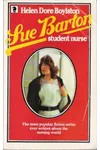
- Sue Barton, Student Nurse (1936)
The series begins with an eighteen-year-old Sue leaving her home in rural New Hampshire to enroll in a rigorous training program at a major Boston hospital. Alongside her close friends Katherine 'Kit' Van Dyke and Constance Halliday, Sue encounters strict ward routines, demanding superintendents, and lighthearted mishaps (including a famous tumble down a laundry chute) while developing her innate clinical instincts.
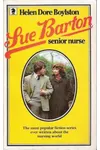
- Sue Barton, Senior Nurse (1937)
In her final year of training, Sue rotates through specialized departments, including psychiatric nursing and obstetrics. The stakes rise as she faces complex patient scenarios and accepts a marriage proposal from the warm-hearted Dr. Bill Barry. The novel highlights her transition from an supervised apprentice to a capable, independent professional.
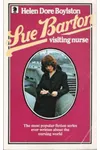
- Sue Barton, Visiting Nurse (1938)
Moving to New York City, Sue and Kit join the staff of the Henry Street Settlement. Working as public health nurses in crowded, impoverished tenements, Sue learns to handle diverse cultural situations and community health emergencies. This book focuses heavily on the tension between Sue's dedication to her career and her impending marriage, showing her desire to remain financially independent before settling down.
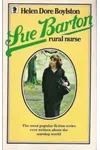
- Sue Barton, Rural Nurse (1939)
Sue relocates to the White Mountains of New Hampshire to support Dr. Bill Barry in establishing a country practice. The couple faces severe challenges, including local skepticism toward Bill's modern medical methods, personal loss, and a devastating typhoid outbreak. The story reaches its peak during a severe hurricane that tests Sue's resilience and cements her standing in the community.
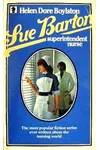
- Sue Barton, Superintendent of Nurses (1940)
Now married to Bill, Sue returns to the clinic where she trained in Boston to take on the administrative role of Superintendent of Nurses. She struggles to balance her authoritative leadership responsibilities, mentoring younger students, and managing her home life. The novel provides a rare mid-century look at the challenges of a married woman holding a high-level executive position.
- Sue Barton, Neighborhood Nurse (1949)
Following a nine-year publication gap, this installment finds Sue living in Springdale as a mother to three children: six-year-old Tabitha and toddler twins Johnny and Jerry. Although busy with motherhood, Sue misses her nursing career. She finds a compromise by serving as an informal healthcare resource for her neighbors, dealing with local emergencies, and mentoring Marianna Lawson, a troubled teenage runaway who seeks direction in life.
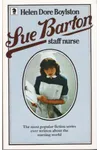
- Sue Barton, Staff Nurse (1952)
The final book in the series sees Sue returning to the hospital floor. When Dr. Bill is sent to a sanatorium for six months to recover from severe pneumonia, Sue takes a job as a staff nurse at Springdale Hospital. Although she previously ran the department, she finds a deep, renewed satisfaction in hands-on bedside care while helping young interns and student nurses navigate their personal and professional struggles.
Companion Works: The Carol Page Series
If you enjoy Helen Dore Boylston's writing style and detailed exploration of early-to-mid-20th-century women's careers, you should explore her other major series: the Carol Page theater books. Spanning four novels published between 1941 and 1946, the series follows Carol Page as she pursues a career in acting, from summer stock to the Broadway stage. To ensure absolute authenticity, Boylston worked closely with legendary actress Eva Le Gallienne to research the theater world.
The Carol Page books should be read in this order:
- Carol Goes Backstage (1941) – Also published in the UK as Carol Goes on the Stage.
- Carol Plays Summer Stock (1942)
- Carol on Broadway (1943)
- Carol on Tour (1946)
What to Know Before You Start
Before diving into Sue Barton's adventures, modern readers should keep a few details in mind:
- Realism and Inspiration: Helen Dore Boylston was a registered nurse who trained at Massachusetts General Hospital and served overseas with the Harvard Medical Unit during World War I. This background allowed her to write about medical procedures, hospital culture, and nursing etiquette with real-world accuracy, setting a standard for the YA career novels that followed.
- Historical Context: Written between the Great Depression and the post-WWII era, the books reflect the changing expectations for women. Sue's insistence on working after marriage and her pursuit of financial independence were progressive for their time, even if some domestic dynamics reflect mid-century norms.
- Can They Be Read Standalone? While each novel features a self-contained story arc (such as resolving an epidemic or managing a specific hospital crisis), reading them out of order is not recommended. The character relationships, Sue's romance with Bill, her friendship with Kit, and her transition from student to mother are central to the series' charm and require chronological reading to be fully appreciated.