






The Recommended Reading Order
For the most immersive experience, readers should follow the chronological order of the series. While the prequel novel, Ulpius Felix: Warrior of Rome, was published after the initial books in the series, starting with this prequel provides crucial background on the protagonist's origins before jumping into the main narrative. However, starting with the original debut novel, The Sword of Cartimandua, is also a highly popular and valid starting point for readers who prefer following the author's release progression.
Here is the recommended chronological reading order for the series:
- Ulpius Felix: Warrior of Rome (Book 0 / Prequel) – Originally published in 2013, this prequel follows a young Pannonian warrior who is forced into the Roman auxiliary cavalry, campaigning in Germania and battling Boudicca’s Iceni revolt in Britain.
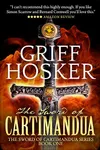
- The Sword of Cartimandua (2011) – The debut novel of the series. Ulpius Felix and his auxiliary cavalry troop rescue Queen Cartimandua of the Brigantes, only to face an immediate rebellion.
- The Horse Warriors (2011) – The stakes rise as the cavalry unit combats internal betrayal and battles fierce northern frontier tribes in Britannia.
- Invasion - Caledonia (2011) – Felix and his seasoned cavalry troop march north into the uncharted, hostile territories of ancient Scotland.
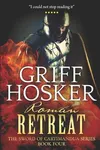
- Roman Retreat (2011) – Trapped behind enemy lines, the troop faces a desperate, tactical retreat through harsh winter conditions.
- Revolt of the Red Witch (2011) – The Roman forces encounter new threats led by fanatical druids and rebellious native leaders.
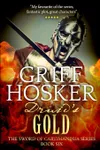
- Druid's Gold (2012) – A search for hidden treasure leads the auxiliary cavalry into deep conflicts with hostile local religious factions.
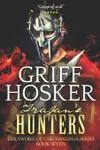
- Trajan's Hunters (2012) – The timeline shifts forward to the era of Emperor Trajan, introducing new military operations and reconnaissance campaigns.
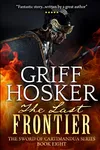
- The Last Frontier (2012) – The cavalry troop continues to push the boundaries of Roman rule along the untamed northern border.
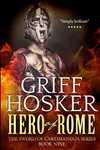
- Hero of Rome (2013) – Legendary deeds and brutal skirmishes cement the reputation of the auxiliary cavalrymen on the edges of the empire.
- Roman Hawk (2014) – Exploring new frontiers and scouting enemy movements to protect the newly established Roman borders.
- Roman Treachery (2018) – Political infighting and sudden betrayals threaten the stability of the Roman military apparatus in Britain.
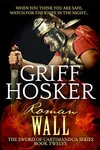
- Roman Wall (2018) – Centered around the construction and defensive operations of what would become Hadrian's Wall.
- Roman Courage (2018) – The final chapter in the series, shifting focus to Decurion Marcus Aurelius as he inherits the legendary sword to quell a major northern insurrection.
Chronological Order vs. Publication Order
The difference between the chronological and publication orders is minimal. The prequel, Ulpius Felix: Warrior of Rome, was published around 2013, which was after the first six novels in the series had already been released. Because the prequel sets up the entire military background of the main cast, reading it first helps clarify characters' loyalties and early relationships. Aside from this prequel, the rest of the novels were published in the order of their chronological timeline, starting in 50 A.D. and concluding around 128 A.D. during the construction of Hadrian's Wall.
What to Know Before You Start: Continuity and Tone
Griff Hosker is a prolific self-published historical fiction author whose works are known for their fast-paced action, realistic military tactics, and focus on the daily lives of auxiliary soldiers rather than high-ranking Roman generals. Living near Hadrian's Wall, Hosker drew direct inspiration from local history to craft this series, which was also his very first published project. Because the series spans several decades, readers should expect characters to age, face permanent casualties, and eventually hand over the narrative focus. Specifically, by the final novel, Roman Courage, the central protagonist shifts from Ulpius Felix to Decurion Marcus Aurelius.
Spin-Offs and the Shared Griff Hosker Universe
While the Sword of Cartimandua series is complete, the legendary "sword of the Brigantes" featured in these books makes a thematic return in another of Griff Hosker's historical sagas. In the Wolf Brethren series, which is set during the Arthurian era of late sixth-century Britain, the very same sword finds its way into the hands of a young Brythonic hero. Reading the Sword of Cartimandua series first adds significant historical and mythic weight to the events of the Wolf Brethren books.
Practical Reading Advice
While some historical fiction novels can be enjoyed as standalone works, the Sword of Cartimandua series relies heavily on character continuity, recurring military bonds, and the slow evolution of the Roman-British frontier. Reading the books out of order will result in major spoilers regarding which characters survive the various campaigns. If you want to sample Hosker's style before committing to the full series, the prequel Ulpius Felix acts as an excellent, self-contained origin story that showcases the author's signature blend of historical accuracy and action.