









How to Read the Tales of Alus Series
Donald L. Wigboldy Jr.'s sprawling fantasy world of Alus has captured the imaginations of high-fantasy readers since its debut in 2011. Combining the gritty historical realism of classic medieval struggles with elements of high magic, portals, dragons, and sorcery, the series has grown to encompass 16 books. Because the narrative jumps between different continents, characters, and sub-arcs, figuring out where to start and how to navigate the books can seem daunting. Below, we break down the recommended reading order, explore the sub-arcs, and provide practical advice for new and returning readers.
Recommended Reading Order: Publication Order
For the most cohesive experience, readers are strongly encouraged to follow the publication order. Although the series splits into separate storylines focusing on different heroes—such as the Aramathea brothers, the resurrected Dante, or the underdog battle mage Sebastian—the books were released in a sequence that organically builds the world's lore, magical rules, and overarching political threats. Reading in this order prevents spoilers and ensures you understand how events on one side of the continent echo across the other.
- The High King (2011)
- The Emperor's Shadow War (2011)
- Battle Mage (2011)
- Winter’s Edge (2013)
- The King (2013)
- Dragon Mage (2014)
- The Dark Mage (2014)
- A Hero’s Welcome (2014)
- Forging New Steel (2015)
- White Hall (2015)
- Winds of Change (2015)
- Battle Mage Visions (2016)
- The Unexpected Heir (2016)
- Battle Mage Bonds (2017)
- Battle Mage Broken Empire (2017)
- The Caves of Time (2018)
Understanding the Sub-Arcs and Storylines
If you prefer to follow specific characters from start to finish before switching perspectives, the Tales of Alus series can be divided into three primary character-driven sub-arcs. While these storylines eventually touch upon the same shared history of Alus, they focus on distinct regions and conflicts.
1. The Aramathea Brothers / Royal Struggle Arc
This storyline kicks off the entire series. It focuses on the northern continent and the kingdom of Marshalla, where political greed leads to the summoning of monstrous forces like dragons and gargoyles.
- The High King: Introduces sixteen-year-old Gerid Aramathea and his brother Simon. After their home is destroyed by the guards of the power-hungry King Merrick, they flee, are captured by pirates, and are sold into slavery. Their journey is one of survival, reunion, and vengeance.
- The King: Continues the brothers' struggle to restore order and confront the tyranny that destroyed their homeland.
- The Unexpected Heir: Shifts focus to the royal family of Malaiy, expanding the political landscape and introducing new dynastic threats.
- The Caves of Time: A late-series entry that ties together ancient history, timelines, and the fate of the royal lineages.
2. Dante’s Portal War Arc
This brief but impactful arc focuses on the threat of the Dark Emperor and the magical portals threatening the continent.
- The Emperor's Shadow War: Dante awakens on a bloody battlefield surrounded by the dead. With no memory of how he got there, he must navigate an invasion orchestrated by the Dark Emperor's portal mages and stop the kingdom from falling to shadows.
3. The Battle Mage (Sebastian) Arc
By far the largest and most popular sub-arc in the series, these books follow Sebastian, an underdog who enters battle mage training despite his seemingly weak magical abilities. Through cleverness, grit, and strategy, Sebastian becomes a central figure in Alus's defense.
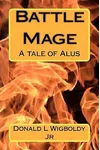
- Battle Mage: Introduces Sebastian as he struggles to prove himself at the academy while the nation of Argus grows increasingly hostile to wizards.
- Winter’s Edge: Sebastian travels south of the wall, navigating freezing landscapes and dangerous moral dilemmas to uncover hidden enemies.
- Dragon Mage & The Dark Mage: Escalates the magical stakes, introducing greater threats, dark wizards, and dragon riders.
- A Hero’s Welcome, Forging New Steel, & White Hall: Follows Sebastian and his allies as they deal with the aftermath of massive battles, rebuild their forces, and establish new strongholds.
- Winds of Change, Battle Mage Visions, Battle Mage Bonds, & Battle Mage Broken Empire: Tracks the final conflicts of the battle mages as the empire threatens to collapse under internal betrayal and external magical warfare.
Practical Advice for Readers
Can the books be read as standalones? Generally, no. While you can read the first book of a specific sub-arc (like Battle Mage or The High King) and get a self-contained introduction, the sequels rely heavily on previous plotlines. Reading them out of order will lead to confusion regarding character relationships, character deaths, and the evolving state of the magic system.
Where is the best starting point? If you want the true beginning of the world's conflict, start with The High King. However, if you prefer an underdog magic academy story with high-stakes wizard battles, starting with Battle Mage is a highly popular alternative. Just be aware that reading the Battle Mage sub-arc in isolation means you will miss the broader continental context established in the companion novels.
What to know before you start: Wigboldy wrote these books as a modern homage to classic high fantasy, meaning the world features a deep, thousand-year lore. Do not get discouraged by the initial dump of kingdom names and historical events; the focus remains tightly on the personal resilience of the main characters.