

Recommended Reading Paths
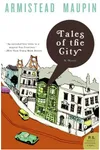
Spanning ten novels and several decades, Armistead Maupin’s Tales of the City is a landmark of LGBTQ+ literature. Beginning as a newspaper serial in the mid-1970s, the saga follows Mary Ann Singleton, Michael "Mouse" Tolliver, Mona Ramsey, and their enigmatic landlady, Anna Madrigal. To experience the natural growth of these characters and the real-time social history of San Francisco, readers generally choose between two primary reading orders.
1. The Publication Order (Recommended for First-Time Readers)
Reading the series in the order it was written is highly recommended. Because Maupin originally wrote these stories as real-time serials for the San Francisco Chronicle, the characters and the city age alongside the reader. Reading in publication order also ensures that you experience the emotional weight of major plot revelations and historical events, such as the onset of the AIDS epidemic in the 1980s, exactly as original audiences did.
- Tales of the City (1978)
- More Tales of the City (1980)
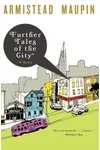
- Further Tales of the City (1982)
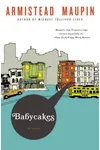
- Babycakes (1984)
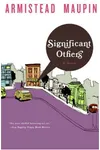
- Significant Others (1987)
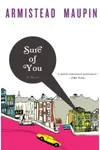
- Sure of You (1989)
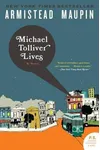
- Michael Tolliver Lives (2007)
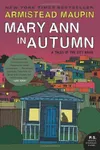
- Mary Ann in Autumn (2010)
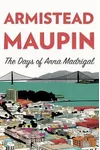
- The Days of Anna Madrigal (2014)
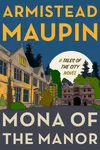
- Mona of the Manor (2024)
2. The Chronological Order (For Re-Readers and Completionists)
While the first nine books follow a linear timeline, the tenth book, Mona of the Manor (published in 2024), breaks this pattern. It is a historical flashback set in 1993, taking place shortly after the events of Sure of You. Reading chronologically inserts this English Cotswolds detour into the middle of the saga, right before the modern revival era begins.
- Tales of the City (Set in the late 1970s)
- More Tales of the City (Set in the late 1970s)
- Further Tales of the City (Set in the early 1980s)
- Babycakes (Set in the mid-1980s)
- Significant Others (Set in 1985–1986)
- Sure of You (Set in the late 1980s)
- Mona of the Manor (Set in 1993)
- Michael Tolliver Lives (Set in the mid-2000s)
- Mary Ann in Autumn (Set in the late 2000s)
- The Days of Anna Madrigal (Set in the early 2010s)
Understanding the Series Eras
To better navigate the reading order, it helps to understand how the series is structured. The novels are broadly divided into three narrative arcs reflecting different stages of Maupin’s writing life and San Francisco’s history.
The Classic Barbary Lane Era (Books 1–6)
The first six books capture the bohemian spirit of San Francisco from the late 1970s through the end of the 1980s. These novels are deeply episodic, reflective of their origins as newspaper serials. They begin as a lighthearted comedy of manners before evolving into a poignant chronicle of the community’s resilience during the devastating heights of the HIV/AIDS epidemic.
The Cotswolds Midquel (Mona of the Manor)
Published thirty-five years after Sure of You, the tenth novel Mona of the Manor transports readers to 1993 Gloucestershire, England. It focuses on Mona Ramsey, who has inherited a crumbling manor house through a green-card marriage to a closeted peer. To keep the estate afloat, Mona and her adopted son Wilfred host American tourists, leading to a comedy of errors that tackles themes of domestic abuse, transgender rights, and the contrast between British and American queer cultures.
The Revival Era (Books 7–9)
After an eighteen-year hiatus, Maupin returned to the series with Michael Tolliver Lives in 2007. This final trilogy catches up with the characters as older adults in the 21st century. The tone shifts from the breezy, multi-perspective serial style to more introspective, character-driven narratives focusing on aging, long-term survival, memory, and the changing landscape of a gentrified San Francisco.
The Extended Maupin Universe
Armistead Maupin’s other literary works exist in the same shared universe as Tales of the City, offering minor crossovers and thematic parallels that enrich the main reading experience.
- Maybe the Moon (1992): This standalone novel follows Cadence Roth, a dwarf actress living in Hollywood. Although it is an independent story, several secondary characters from the Tales universe make cameos, confirming the two works share a continuity.
- The Night Listener (2000): A psychological thriller focusing on Gabriel Noone, a late-night radio host who becomes entangled in a suspicious phone relationship with a young boy. Like Maybe the Moon, this novel features subtle nods and character crossovers from the main series.
- Logical Family: A Memoir (2017): While not a novel, Maupin’s autobiography is an essential companion piece. It details his upbringing, his move to San Francisco, and the real-life inspirations behind Barbary Lane, Anna Madrigal, and the concept of "logical" (chosen) families over biological ones.
What to Know Before You Start
Because the series began as a daily newspaper column, the early books have a unique, fast-paced flow with short chapters, cliffhangers, and sudden plot twists. Maupin wrote these installments in real-time, often incorporating events occurring in San Francisco that very week. As you progress into the later books, the chapters grow longer and the narrative style adopts a more conventional novel structure. The series is also famous for its multiple high-profile television adaptations, including the original 1993 PBS miniseries starring Olympia Dukakis and Laura Linney, and the 2019 Netflix revival.