
The Recommended Reading Order
For young readers and families looking to dive into the legendary court of King Arthur, The Knights’ Tales by Gerald Morris offers a wonderful blend of humor, lighthearted action, and moral growth. While each book in the series is largely self-contained and focuses on a different member of the Round Table, reading them in their publication order is the most satisfying way to experience the evolution of Morris's Camelot.
Here is the recommended reading path for the series:
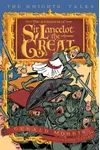
- The Adventures of Sir Lancelot the Great (2008) – The first book introduces readers to a highly exaggerated, vain, but ultimately good-hearted Sir Lancelot. The story playfully details his love for afternoon naps, shiny armor, and his habit of accidentally getting into fights. It sets the perfect comedic tone for the rest of the series.
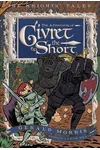
- The Adventures of Sir Givret the Short (2008) – The second installment focuses on Sir Givret, a knight of tiny stature but immense intelligence. This book shows readers that brains, quick wits, and kind deeds are far more valuable than sheer physical strength.
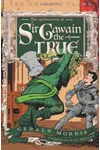
- The Adventures of Sir Gawain the True (2011) – The third adventure tackles the famous legend of Sir Gawain and the Green Knight, reinterpreting it for younger audiences with a strong emphasis on honesty, manners, and courtesy over pride.
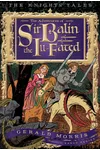
- The Adventures of Sir Balin the Ill-Fated (2012) – The fourth and final book follows Sir Balin, a well-meaning knight who seems to attract bad luck wherever he goes. Despite his unfortunate prophecy, Balin showcases determination, honor, and resilience.
Publication Order vs. Chronological Order
Unlike many complex fantasy sagas, there is no major conflict between the publication order and the chronological order of The Knights' Tales. Because the books are designed as episodic adventures that occur during the height of King Arthur’s golden age, you do not have to worry about missing crucial plot points or major spoilers if you read them out of order. However, starting with Lancelot’s story is highly recommended because it establishes the comedic rules of Gerald Morris's universe, introduces King Arthur, and shows how the Round Table functions under Morris's humorous pen.
Meet the Knights: Subverting the Legends
Gerald Morris was a master at taking classic, sometimes dry medieval literature and turning it into something accessible for children aged 7–13. Here is how he reimagined the central characters:
Sir Lancelot the Great
In traditional Arthurian lore, Lancelot is the ultimate, peerless champion of the realm. Morris keeps his martial prowess but balances it by making him delightfully flawed. Lancelot is incredibly vain, loves a good nap, and is often bewildered by the trouble he gets himself into. It teaches children that even the greatest heroes are human and have quirks.
Sir Givret the Short
Givret is one of the most endearing characters in the series. Too short to be taken seriously by traditional knights, he must rely on his intellect, observation skills, and resourcefulness to solve problems. This book serves as a fantastic narrative on self-worth, highlighting that heroism comes in all sizes.
Sir Gawain the True
Gawain's story centers around integrity. Faced with the mysterious and threatening Green Knight, Gawain learns that keeping one's word and maintaining courtesy are the truest marks of a knight, rather than just winning battles.
Sir Balin the Ill-Fated
Balin is a more tragic figure in traditional mythology, but Morris handles his story with a gentle, humorous touch. Balin's adventures show how one can face bad luck and unfortunate circumstances with dignity, courage, and a sense of duty.
The Squire's Tales Connection
If you are familiar with Gerald Morris, you might have heard of his other Arthurian series, The Squire's Tales. It is important to know how these two series compare:
- Target Audience: The Squire's Tales is written for middle-grade and young adult readers (ages 10–14+), featuring longer books, more intricate plots, and deeper themes. The Knights' Tales is specifically written for younger readers (ages 7–13) who are transitioning into chapter books.
- Format: The Knights' Tales features shorter chapters, larger print, and beautiful, cartoon-style illustrations by Aaron Renier that bring the humor to life visually.
- Crossover: While characters like Sir Gawain and Sir Givret appear in both series, they are separate continuities. You do not need to read The Squire's Tales to understand or enjoy The Knights' Tales, though older kids who finish the younger series will love moving on to the YA books next.
What to Know Before You Start
Before introducing children to The Knights’ Tales, keep these helpful details in mind. First, Aaron Renier's comic-style illustrations are a major highlight, breaking up the text and helping reluctant readers stay engaged. Second, Morris’s background as a pastor and academic shines through in the gentle, positive values embedded in the comedy, such as humility, kindness, and honesty. Finally, the series works wonderfully as a family read-aloud project, as parents will appreciate the dry, tongue-in-cheek humor just as much as kids enjoy the goofy knightly antics.