



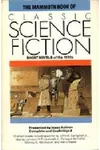
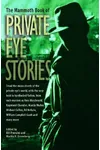
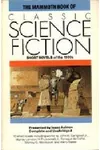
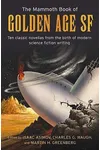
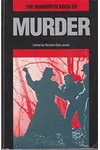
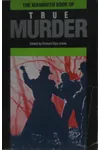

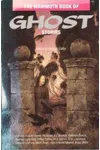
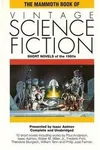
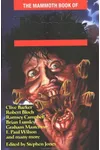
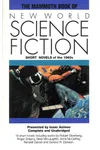
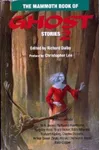
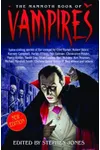





Where to Start Reading The Mammoth Book Of…
Because the Mammoth Book series is a collection of thematic anthologies containing standalone short stories and novellas, there is no single continuous narrative. You do not need to read these books in any specific chronological order. Instead, the best starting point depends entirely on your favorite genre and your interest in specific editors.
For science fiction enthusiasts, a perfect entry point is The Mammoth Book of Golden Age Science Fiction (1989), which showcases the foundational era of speculative fiction. If you prefer chilling tales, The Mammoth Book of Dracula (1997) or the early volumes of the Best New Horror subseries are excellent choices. Crime fiction fans should look to The Mammoth Book of Locked-Room Mysteries and Impossible Crimes (2000), while romance readers can start with The Mammoth Book of Irish Romance (2009).
The Two Eras: The 1936 Precursor vs. The Modern Series
When looking at publication order, readers will find a major gap between the very first entry and the rest of the series. It helps to understand the history of the brand:
- The 1936 Precursor: The Mammoth Book of Thrillers, Ghosts and Mysteries was published in 1936 by Odhams Press. Edited by J. M. Parrish and John R. Crossland, this vintage 766-page collection featured a famous "sealed section" at the back for its most terrifying stories. While it shares the name, it is a standalone historical precursor.
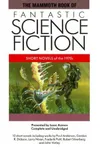
- The Modern Series (1984–Present): The official modern series was launched in the UK in 1984 by Robinson Publishing (an imprint of Constable & Robinson) with The Mammoth Book of Fantastic Science Fiction and Mammoth Book of Short Science Fiction Novels. In the United States, these volumes were distributed by publishers like Running Press and Carroll & Graf. This modern line established the trademark thick trade paperback format.
Major Subseries and Annual Collections
While most Mammoth Books are one-off thematic collections, the brand has hosted several highly successful annual subseries that are best read in order of release to track the evolution of their respective genres:
1. The Mammoth Book of Best New Horror
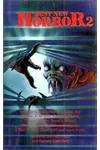
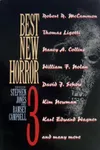
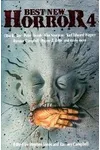
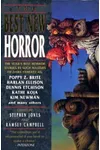
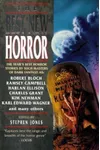
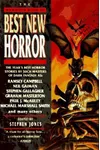
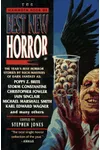
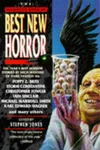
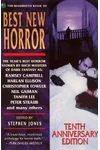
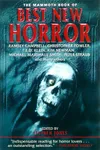
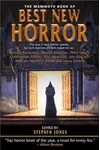
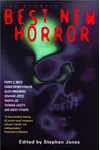
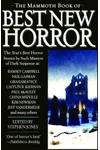
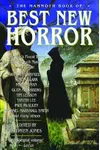
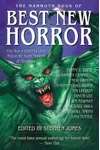
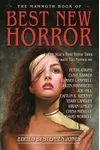
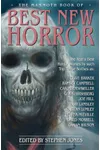
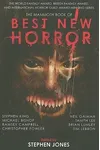
Initially launched simply as Best New Horror in 1990, this annual showcase was co-edited by Stephen Jones and Ramsey Campbell for its first five volumes. From Volume 6 (1995) onward, Stephen Jones took over as the sole editor, and the title officially adopted the "Mammoth" branding starting with Volume 7 in 1996. The series ran for over three decades, culminating in Volume 31 in 2021, and remains one of the most respected anthologies in horror literature.
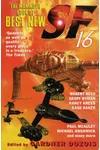
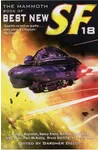
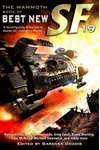
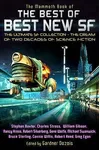
2. The Mammoth Book of Best New Science Fiction
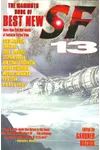
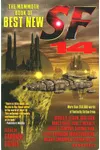
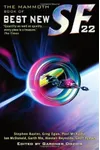
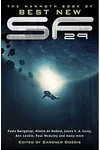
Edited by the legendary Gardner Dozois, this series was the UK edition of the famous US anthology The Year's Best Science Fiction. Running from 1984 until Dozois's death in 2018, these massive volumes are highly sought after for their thorough "Summation of the Year" essays and definitive curation of speculative fiction.
3. Historical Mystery & Crime Anthologies
Often curated by editors like Mike Ashley and Maxim Jakubowski, this branch of the series features recurring subseries such as Historical Whodunnits (starting in 1993, with subsequent volumes in 2001, 2005, and 2015) alongside themed collections focusing on Roman, Egyptian, and Victorian detectives.
Practical Reader Advice and Caveats
When tracking down these books, keep the following tips in mind:
Look for Editor Names: The quality and tone of a Mammoth Book are heavily shaped by its curator. If you enjoy classic, well-researched speculative fiction, seek out volumes edited by Mike Ashley. For dark, visceral horror, trust Stephen Jones. For pulp action and crime, Maxim Jakubowski is the premier guide.
Watch Out for Title Variations: Because these books were published internationally, some volumes have slightly different names in the UK and US. For example, The Mammoth Book of Wolf Men (1994) is identical in content to certain editions of The Mammoth Book of Werewolves. Always check the table of contents to avoid purchasing duplicate stories.
Availability: Many older volumes from the 1980s and 1990s are out of print. However, because of their high initial print runs, they are widely and affordably available through secondhand bookstores, libraries, and digital archive platforms.