
How to Read The Naughtiest Girl Series
For readers looking to follow Elizabeth Allen's journey from a spoiled, defiant child into a responsible, caring leader, there is only one true path: the order of publication. Because the series features continuous character growth and building relationships, reading the books chronologically is highly recommended. The story is split cleanly into two distinct eras: the original books written by Enid Blyton in the mid-20th century, and the authorized continuation sequels penned by Anne Digby in the late 1990s and early 2000s.
The Recommended Reading Order
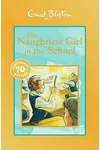
- The Naughtiest Girl in the School (1940) – The series begins with Elizabeth Allen, a spoiled and stubborn only child, who is sent to Whyteleafe School. Resenting her parents' decision, she vows to be as naughty as possible so she will be expelled and sent home. However, the school's unique student-run democratic system and her budding friendship with Joan Townsend challenge her plans.
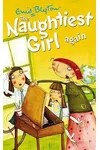
- The Naughtiest Girl Again (1942) – Elizabeth returns for her second term determined to be good. But school life is never simple. She clashes with new students, including the sulky Robert and the deceptive Kathleen, leading to misunderstandings and typical Whyteleafe trials before reconciliation is reached.
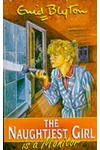
- The Naughtiest Girl Is a Monitor (1945) – In her third term, Elizabeth is given the ultimate responsibility: she is chosen to be a school monitor. Her hot temper and impulsive decisions are put to the test as she learns what it truly means to lead and guide others fairly.
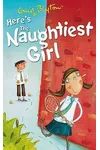
- Here's the Naughtiest Girl! (1952) – The final original installment written by Enid Blyton. Elizabeth is no longer a monitor, and new challenges arise with the arrival of a spoiled boy named Julian and a highly musical student named Richard. Elizabeth must navigate these tricky new friendships while keeping her temper in check.
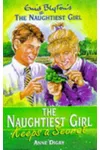
- The Naughtiest Girl Keeps a Secret (1999) – The first continuation novel by Anne Digby. Elizabeth is back at Whyteleafe, facing new school rivalries, hidden secrets, and the pressure of keeping her classmates' confidences.
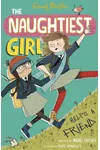
- The Naughtiest Girl Helps a Friend (1999) – Elizabeth tries to help a classmate who is struggling to fit in, leading to classic boarding school misunderstandings, secret meetings, and a lesson in empathy.
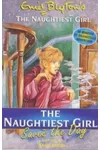
- The Naughtiest Girl Saves the Day (1999) – A modern environmental angle is introduced as the pupils of Whyteleafe work to save their beloved school grounds and the surrounding nature from destruction.
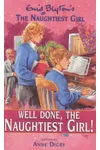
- Well Done, The Naughtiest Girl! (1999) – Elizabeth faces tests of her loyalty and integrity as she navigates interpersonal rivalries and tries to lead by positive example.
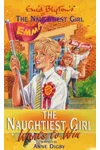
- The Naughtiest Girl Wants to Win (2000) – The pressure of competition hits Whyteleafe. Elizabeth has to balance her desire to win with sportsmanship and the collective spirit of the school.
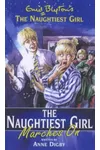
- The Naughtiest Girl Marches On (2000) – The final book in the continuation series, wraps up Elizabeth’s mid-term adventures with a focus on teamwork, peer support, and personal accountability.
The Two Eras of Whyteleafe: Blyton vs. Digby
Understanding the history of the series helps explain the transition between the core novels and the sequels. Enid Blyton wrote the initial four books between 1940 and 1952. The fourth book, Here's the Naughtiest Girl!, has a unique publishing history: it was serialized in Blyton's Sunny Stories magazine in 1952 and included in Enid Blyton's Omnibus that same year, but did not receive a standalone book publication until 1997. Readers should note that some databases mistakenly date the first book to 1930 or the fourth book to 1945, but historical records confirm the original sequence ran from 1940 to 1952.
Decades later, author Anne Digby—best known for her own Trevor House and Naughty Amelia Jane work, as well as the Trebizon boarding school series—was authorized by the Blyton estate to continue the adventures. Digby wrote six sequels, published rapidly between 1999 and 2000. While Digby preserved the charm and core framework of Whyteleafe, she introduced contemporary nuances, including ecological themes and a slightly faster narrative pace, keeping the stories fresh for modern readers.
What to Know Before You Start
Unlike traditional British school stories of the 1940s (such as Blyton's own Malory Towers or St. Clare's), The Naughtiest Girl features a progressive, co-educational boarding school called Whyteleafe. The school is heavily modeled on real-world democratic education systems, particularly A.S. Neill's famous Summerhill School in Suffolk. The students at Whyteleafe govern themselves. They hold weekly parliament-style meetings where they decide rules, manage the treasury (pooling all pocket money so every student has an equal amount), and vote on restorative punishments for those who break the community rules. This unique setting makes the books feel surprisingly modern and distinct from other mid-century children's literature.
Practical Reading Advice
Can the books be read standalone? While each book features a self-contained story arc with a clear resolution, they are best enjoyed in order. Elizabeth's character development is cumulative; her relationships with friends like Joan Townsend and rivals like Kathleen build directly on the events of previous terms. Starting anywhere other than the first book will spoil Elizabeth's initial transformation.
What is the target age group? The series is perfect for young readers aged 7 and up. The prose is accessible, the chapters are brief, and the themes of fairness, peer accountability, and emotional growth remain universally relevant.