
The Recommended Reading Order
If you want to experience the saga of the world's first vampire family in book form, the path is straightforward. The books were released in 2015 and follow a linear timeline that moves chronologically through the 18th century. Therefore, the publication order and the chronological order are identical. You should read the books in the following sequence:
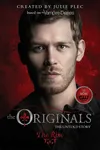
- The Rise (Set in 1722)
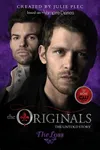
- The Loss (Set in 1766)
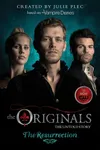
- The Resurrection (Set in 1788)
Detailed Breakdown of the Trilogy
The Rise (Book 1)
Set in 1722, The Rise introduces Elijah, Rebekah, and Klaus Mikaelson as they arrive in New Orleans. They are running from their dangerous past and hoping to build a safe haven. However, they discover the city is already divided and ruled by rival factions of witches and werewolves. Klaus becomes infatuated with Vivianne, a unique witch betrothed to a werewolf leader in a pact designed to maintain a fragile peace. Klaus's obsession threatens to ignite a supernatural war, forcing the siblings to fight for their survival and their dream of a home.
The Loss (Book 2)
Set in 1766, The Loss picks up decades after the siblings have successfully established their presence and claimed a degree of control over New Orleans. Although they have found stability, Klaus's relentless ambition and desire for absolute power remain unquenched. He seeks out a powerful witch capable of performing magic that could give him everything he desires, but this alliance threatens to unleash an ancient curse upon the entire Mikaelson family, testing their core bond of "always and forever."
The Resurrection (Book 3)
Set in 1788, the final book in the trilogy, The Resurrection, finds the city in a fragile state of co-existence. The Mikaelsons have shared power with the local werewolf factions for twenty years, but Klaus is no longer satisfied with sharing. Elijah is distracted by a mysterious new love interest, and Rebekah searchers for a hidden key to secure their immortality, leaving Klaus to scheme for complete control. His actions invite new enemies and force the siblings to choose between their personal desires and the survival of their family.
What to Know Before You Start
Before diving into the books, it is helpful to understand how they fit into the broader television franchise. The novels are canonical prequels written by Julie Plec, the co-creator and showrunner of the television adaptations of The Vampire Diaries and The Originals. Unlike the main line of The Vampire Diaries books, which were originally written by L.J. Smith and diverge significantly from the television plot, these three novels were created specifically to align with the television show's universe.
However, readers should be prepared for some slight lore and characterization differences. Because the books were written concurrently with the production of the early seasons of the TV series, some minor details about the history of the characters or the mechanics of the supernatural world may differ slightly from what was ultimately shown on screen. Most fans view the books as an alternate timeline or a complementary piece of historical lore rather than strict canon.
Practical Reader Advice
Here is some practical guidance to help you get the most out of your reading experience:
- Can you read them as standalones? While the books explain the basics of who the Mikaelsons are, they are heavily geared toward existing fans of the television series. Knowing the characters' long-term arcs and personalities makes the historical prequels much more rewarding. It is highly recommended to watch at least the first season of The Originals or the Mikaelson-centric episodes of The Vampire Diaries before starting.
- Are there other spin-offs? If you enjoy these tie-in books, you might also want to explore Stefan's Diaries, a six-book series that serves as a prequel to the television version of The Vampire Diaries.
- Availability: The books were published in both print and digital formats, including audiobooks narrated by fans of the series' audio style. They are widely available through major retailers and digital libraries.