

The Recommended Reading Order for Outlanders
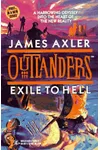
For readers looking to explore the post-apocalyptic, conspiracy-filled Earth of Outlanders, the decision is straightforward: publication order is the chronological order. The series was designed as a continuous, highly serialized adventure tracking the core group of rebels—Kane, Grant, Brigid Baptiste, and Domi—as they operate from the hidden Cerberus Redoubt. Because character relationships, technology upgrades, and the overarching mystery of the nine barons unfold sequentially, skipping around will cause confusion. You should start with the very first book, Exile to Hell, and read straight through to the final book, Apocalypse Unseen.
Complete Outlanders Book List (Publication Order)
Below is the complete list of all 75 novels in the series, including their original publication years:
- Exile to Hell (1997)
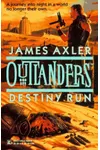
- Destiny Run (1997)
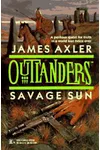
- Savage Sun (1997)
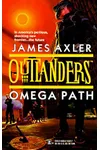
- Omega Path (1998)
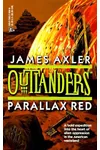
- Parallax Red (1998)
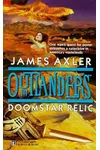
- Doomstar Relic (1998)
- Iceblood (1998)
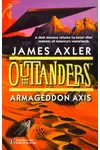
- Armageddon Axis (1999)
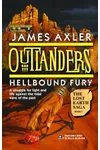
- Hellbound Fury (1999)
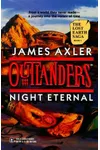
- Night Eternal (1999)
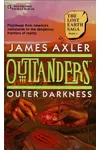
- Outer Darkness (1999)
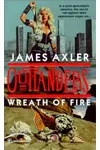
- Wreath of Fire (2000)
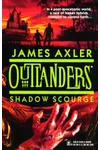
- Shadow Scourge (2000)
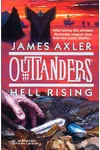
- Hell Rising (2000)
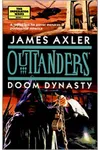
- Doom Dynasty (2000)
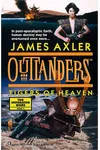
- Tigers of Heaven (2001)
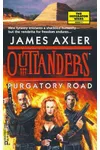
- Purgatory Road (2001)
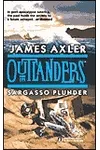
- Sargasso Plunder (2001)
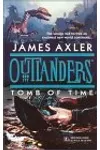
- Tomb of Time (2001)
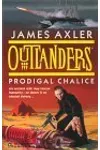
- Prodigal Chalice (2002)
- Devil in the Moon (2002)
- Dragoneye (2002)
- Far Empire (2002)
- Talon and Fang (2003)
- Equinox Zero (2003)
- Sea of Plague (2003)
- Awakening (2003)
- Mask of the Sphinx (2004)
- Mad God's Wrath (2004)
- Sun Lord (2004)
- Uluru Destiny (2004)
- Successors (2005)
- Evil Abyss (2005)
- Cerberus Storm (2005)
- Children of the Serpent (2005)
- Hydra's Ring (2006)
- Refuge (2006)
- Rim of the World (2006)
- Lords of the Deep (2006)
- Closing the Cosmic Eye (2007)
- Skull Throne (2007)
- Ghostwalk (2007)
- Satan's Seed (2007)
- Death Cry (2007)
- Dark Goddess (2007)
- Grailstone Gambit (2008)
- Pantheon of Vengeance (2008)
- Shadow Box (2009)
- Janus Trap (2009)
- Serpent's Tooth (2009)
- Warlord of the Pit (2009)
- Oblivion Stone (2010)
- Reality Echo (2010)
- Infinity Breach (2010)
- Distortion Offensive (2010)
- Truth Engine (2011)
- Cradle of Destiny (2011)
- Scarlet Dream (2011)
- Infestation Cubed (2011)
- Genesis Sinister (2012)
- Dragon City (2012)
- God War (2012)
- Planet Hate (2012)
- Immortal Twilight (2013)
- Cosmic Rift (2013)
- Sorrow Space (2013)
- Savage Dawn (2013)
- Wings of Death (2013)
- Necropolis (2014)
- Judgment Plague (2014)
- Shadow Born (2014)
- Terminal White (2015)
- Hell's Maw (2015)
- Angel of Doom (2015)
- Apocalypse Unseen (2015)
Understanding the shared "Axlerverse"
The term "Axlerverse" was coined by author Mark Ellis to describe the shared post-apocalyptic universe of Deathlands and Outlanders. While both series were published under Gold Eagle’s house pseudonym "James Axler," they represent two different eras of a single timeline. Outlanders is set approximately one century after the events of Deathlands (about 200 years after a global nuclear holocaust). Unlike the raw, survivalist, and episodic nature of Deathlands, Outlanders dives deep into high-concept science fiction, introducing ancient alien conspiracies, advanced matter-transfer technology, and a tyrannical regime ruled by nine barons who keep humanity in a state of technological ignorance.
While you do not need to read the massive Deathlands series to understand Outlanders, reading Outlanders will actually answer many of the lingering structural mysteries of the Deathlands setting. The two series function independently, and Outlanders stands on its own as a tighter, more conspiracy-driven narrative featuring a consistent roster of protagonists.
Chronological Caveats and the Imprint Shutdown
New readers should be aware that the series did not conclude because of a creative decision, but due to corporate restructuring. In late 2014, it was announced that Harlequin was shutting down its Gold Eagle imprint. This resulted in the abrupt termination of all its long-running serial action lines, including both Deathlands and Outlanders. Fortunately, the writers received enough advanced notice to wrap up major story arcs in the final few novels, culminating in Apocalypse Unseen in late 2015. As a result, the series reaches a satisfying, action-packed conclusion rather than ending on an unresolved cliffhanger.
Practical Reader Advice
If you are planning to jump into this epic saga, keep these practical tips in mind:
- Start at the Beginning: Do not attempt to start reading from a random mid-series volume. The lore accumulates rapidly, and early events in books like Iceblood and Doom Dynasty lay structural foundations that remain relevant all the way to Book 75.
- Standalone Feasibility: The books do not work well as standalones. Major story arcs are split into unofficial subseries or trilogies where plot threads carry over directly from one book to the next.
- Audiobook Adaptations: A popular way to experience the series is through the audiobooks produced by GraphicAudio. These are recorded as full-cast audio dramas with sound effects and music, adding an immersive, cinematic layer to the fast-paced pulp style of the novels.
- Who Actually Wrote the Books?: Although the cover reads "James Axler," this is a house pseudonym. Series creator Mark Ellis wrote the first eight books and remained the primary creative force and writer for the majority of the series. Other contributors over the years included science fiction and adventure authors such as Mel Odom, Victor Milán, Rik Hoskin, and Douglas Wojtowicz.