
The Recommended Reading Path
For readers diving into the whimsical medieval world of Gerald Morris, the best way to experience the series is in its original publication order. While many of the middle volumes shift the spotlight to different squires, pages, and maidens, the overarching narrative timeline follows the growth of the young orphan-turned-squire Terence and his master, Sir Gawain. Reading the books sequentially ensures you understand the character relationships, the unfolding magical lore of the fae, and the slow-burn geopolitical developments in Camelot that eventually culminate in the final book.
The Squire’s Tales Series in Order
Here is the complete ten-book sequence of the main series in both publication and chronological order:
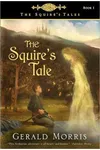
1. The Squire's Tale (1998)
The book that started it all. We meet Terence, a fourteen-year-old orphan who lives with a hermit and possesses a strange, unexplained connection to the magical fae realm. When the legendary Sir Gawain arrives, Terence is recruited as his squire. Together, they embark on a journey to King Arthur's court, setting the lighthearted, witty tone for the entire series.
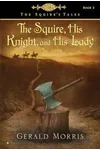
2. The Squire, His Knight, and His Lady (1999)
Terence and Sir Gawain return for a quest that takes them to the mysterious Green Knight. Along the way, they travel to the otherworldly realm of the Faeries and meet the spirited Lady Eileen, Terence's future companion. This installment expands on the magical lore of the world and Gawain's chivalric struggles.
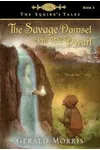
3. The Savage Damsel and the Dwarf (2000)
This book shifts the focus to Lady Lynet, a young woman who refuses to play the role of the traditional, helpless damsel. When her sister's castle is besieged, Lynet sets off to find help at Camelot. Accompanied by a cynical dwarf, she finds herself on a hilarious quest that challenges the absurdities of courtly love.
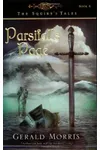
4. Parsifal's Page (2001)
Focusing on Piers, a quick-witted page who is assigned to serve the idealistic, pure-hearted, but somewhat oblivious knight Parsifal. Piers is determined to keep his naive master safe from the dangers of the world, leading to a comedic and touching adventure centered on the quest for the Holy Grail.
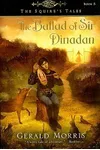
5. The Ballad of Sir Dinadan (2003)
This volume follows Dinadan, a young man who is forced into knighthood by his father but would much rather play the lute and write songs than fight. Dinadan's satirical, pacifist perspective on the trials of knighthood offers one of the most humorous critiques of medieval chivalry in the series.
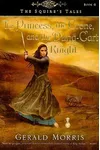
6. The Princess, the Crone, and the Dung-Cart Knight (2004)
Set during the famous kidnapping of Queen Guinevere, this story is told from the perspective of Sarah, a young girl living in the woods who witnesses the event. Sarah becomes involved in the rescue mission alongside Sir Lancelot (who is not quite the perfect hero the stories make him out to be), blending classic Arthurian plots with a fresh, youthful perspective.
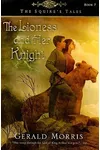
7. The Lioness and Her Knight (2005)
This novel centers on Lady Luneta, the cousin of Lady Eileen, and Sir Ywain. The duo embarks on a journey to the castle of the Lioness, encountering bizarre knights, treacherous plots, and plenty of witty banter along the way. It explores themes of duty, family, and the realities of knightly honor.
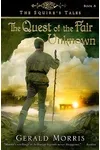
8. The Quest of the Fair Unknown (2006)
Based on the classic medieval romance of Lybeaus Desconus, this book follows a young man named Beaufils who has been raised in isolation in the wilderness. When he decides to seek out his father—whom he suspects is a knight of the Round Table—he travels to Camelot to begin a quest of self-discovery.
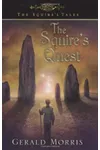
9. The Squire's Quest (2009)
The penultimate book returns the main spotlight firmly to Terence. As political tensions mount in Camelot with the arrival of the manipulative Mordred, Terence realizes that his connection to the Faerie world has gone silent. He must embark on a personal quest to find his missing sprite companion, Robin, and uncover a dark conspiracy threatening the kingdom.
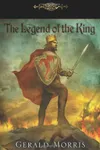
10. The Legend of the King (2010)
The grand finale of the series. Morris gathers the cast of characters from the previous nine books to face the tragic downfall of King Arthur's Camelot. While the book maintains the signature humor of the series, it also delivers a poignant, emotionally resonant ending to Terence and Gawain's long journey.
What to Know Before You Start
Gerald Morris was a minister and university professor who loved medieval literature, particularly Sir Thomas Malory's Le Morte d'Arthur. His main goal in writing the series was to make these classic legends accessible, fun, and morally grounded for young adult readers. He noticed that in modern pop culture, Sir Gawain was often cast aside or made out to be a brute to make Sir Lancelot look better. The Squire's Tale series acts as a loving rehabilitation of Gawain's character, portraying him as a decent, brave, and deeply human knight who is simply surrounded by a ridiculous courtly system.
The tone of the books is frequently compared to the comedic fantasy of Terry Pratchett. Morris takes the grandiosity of knights and courtly love and gently pokes fun at the historical absurdities, while still maintaining a deep respect for core virtues like loyalty, friendship, and honesty.
The Knights' Tales: The Younger Reader Spin-off
If you have younger readers in the family or want a lighter, faster-paced introduction to Gerald Morris's Arthurian world, he also penned a spin-off series called The Knights' Tales. Illustrated by Aaron Renier, these books are aimed at kids aged 7 to 13 and offer simplified, highly comedic versions of specific knights' adventures. While they exist in the same conceptual universe, they do not require reading the main ten-book series:
- The Adventures of Sir Lancelot the Great (2008)
- The Adventures of Sir Givret the Short (2008)
- The Adventures of Sir Gawain the True (2011)
- The Adventures of Sir Balin the Ill-Fated (2012)
Can These Books Be Read as Standalones?
Technically, yes. Each of the middle books (such as The Savage Damsel and the Dwarf or The Ballad of Sir Dinadan) features a self-contained quest with its own main protagonist, meaning you can pick them up and enjoy them individually. However, doing so means you will miss the evolution of Terence and Sir Gawain’s friendship, the development of Terence’s fae heritage, and the overarching political shifts in Camelot. To get the most out of the final two books, which tie the entire series together, reading the books in order is highly recommended.