
Where to Start Reading Joel Rosenberg’s Thousand Worlds
If you are looking to dive into Joel Rosenberg's Thousand Worlds series (often called the Metzada Mercenary Corps series), you have two primary options depending on what kind of reader you are. Because the series shifts focus dramatically halfway through, choosing the right entry point will determine how much you enjoy this gritty, culturally rich military science fiction universe.
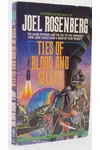
Option 1: The Publication Order Path (Recommended). Starting with the first book, Ties of Blood and Silver, is the best route if you want to watch the universe expand naturally. While the first two books do not focus on the famous Metzadan mercenaries, they establish the broader galactic setting, the technology of stargates, and the rules of interstellar travel. Reading in order allows you to appreciate the full scope of Rosenberg's world-building before diving into the military conflicts of the later novels.
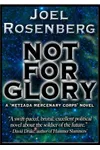
Option 2: The Metzada Mercenary Focus. If you are specifically interested in the military science fiction aspects, the politics of Metzada, and the story of the Hanavi family, you can start directly with the third book, Not for Glory. This novel serves as a soft reboot of the series, moving the focus entirely to Metzada and its elite mercenary army. If you start here, you should follow it immediately with Hero, which acts as a direct narrative continuation focusing on the next generation of Metzadan warriors.
Publication Order of the Thousand Worlds Series
Joel Rosenberg published the four novels in this series over a span of six years. Although some modern reprints or online databases sometimes list them under different chronological headings, the safest and most satisfying way to read them is in the order they were released:
ol>Detailed Book-by-Book Breakdown
1. Ties of Blood and Silver (1984)
The series opens not on Metzada, but on the highly stratified planet of Oroga. The story is set in Elwere, a glittering metropolis known as the "city of rainbows" where extreme wealth sits directly above the squalor of the Lower City. The protagonist, David, is a young thief who was stolen from a wealthy family as an infant. Having grown up relying only on his wits, David's life changes forever when he crosses paths with an Eschteef—a bizarre, jewel-like alien silversmith. This encounter drags David into a dangerous web of corporate espionage, family secrets, and alien politics. While it lacks the military combat of the later books, it establishes the gritty, survival-first tone of the universe.
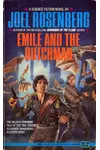
2. Emile and the Dutchman (1986)
The second novel shifts gears to follow the Thousand Worlds Contact Service. The narrative focuses on the unlikely partnership between Major Alonzo Norfeldt (known as "the Dutchman"), a crude, cynical, and highly competent officer, and Emile von der Hoya, a greenhorn recruit. Their job is to travel through newly discovered stargates, explore unknown alien worlds, and determine if they pose a threat to humanity. If a planet is deemed too dangerous, they must seal the stargate permanently. This book is more episodic and adventure-focused, highlighting Rosenberg's trademark dark humor and military banter.
3. Not for Glory (1988)
This is the book where the series finds its core identity. The story takes readers to Metzada, a barren and inhospitable rock settled by the descendants of Israeli Jews. With no natural resources to export, the Metzadans survive by exporting the only resource they have: their elite, highly disciplined Mercenary Corps. The plot follows Tetsuo Hanavi, the ruthless inspector-general of the corps, as he is forced to seek out his exiled uncle, the disgraced former General Shimon Bar-El. Together, they must navigate a politically sensitive, high-stakes military contract. Not for Glory is widely considered the peak of the series, blending tactical combat, political maneuvering, and deep themes of cultural preservation.
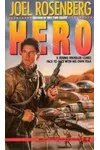
4. Hero (1990)
The final novel serves as a direct follow-up to Not for Glory, shifting the spotlight to Tetsuo's nephew, Ari Hanavi. Ari is a young soldier born into Metzada's proud warrior tradition, but he carries a dark secret: paralyzing battlefield terror. After freezing under fire twice, Ari is given one last chance to redeem his family's honor on a dangerous peacekeeping mission on the planet Neuva Terra. Hero is a deeply psychological military sci-fi novel that explores the reality of fear, the burden of expectations, and what it truly means to be a hero in a society that values courage above all else.
Chronological and Caveat Context
One of the most common questions readers ask is whether the books can be read out of order. Because Ties of Blood and Silver and Emile and the Dutchman feature completely different casts and settings, they function perfectly as standalone novels. You do not need to read them to understand the plot of Not for Glory. However, Not for Glory and Hero share characters, family dynamics, and a continuous timeline, meaning they must be read in order.
There is also a minor publication year discrepancy regarding the second book. While official copyright records and mainstream databases list Emile and the Dutchman as a 1986 release, some early promotional materials and library records suggest it was printed in late 1985. For reading purposes, the order remains unchanged.
What to Know Before You Start
Before diving in, there are a few important pieces of context to keep in mind:
- Author Confusion: Ensure you are looking for the books written by Joel Rosenberg (1954–2011), the Canadian-American author famous for the Guardians of the Flame fantasy series. Do not confuse him with Joel C. Rosenberg, a contemporary author of religious and political thrillers.
- Jewish Identity in Space: The portrayal of Metzada is one of the earliest and most detailed explorations of the Jewish diaspora in science fiction. Rosenberg weaves Jewish traditions, cultural resilience, and historical memory into a futuristic military framework.
- Tone: Fans of Gordon R. Dickson's Dorsai novels or Jerry Pournelle's Falkenberg's Legion will find themselves right at home with the tactical realism, dark humor, and political cynicism of the Metzada Mercenary Corps.