






Recommended Reading Path: Where to Begin
For readers looking to dive into the canine-centered mysteries of Three Oaks, the recommended reading path is simple: follow the original publication order. The series starts with the 1989 mystery Dog in the Dark, which establishes Captain John Cunningham's background as a Falklands War veteran, his transition into running the Three Oaks Kennel in the Scottish Highlands, and his introduction to local sleuthing.
Reading the series in order is highly recommended because of the steady development of Cunningham's personal life, his professional reputation as a gun-dog trainer, and the recurring cast of characters, including his partner Beth and local veterinarian Isobel Kitts. As Cunningham moves from a suspect trying to clear his name to an established investigator trusted by the local community, the relationships and character arcs evolve naturally from book to book.
The Three Oaks Series in Publication Order
Gerald Hammond published 13 novels in the Three Oaks (often called the John Cunningham) series between 1989 and 2001. Here is the complete list of books in their correct reading order:
- Dog in the Dark (1989): The series opener. John Cunningham is framed for the murder of a rival dog breeder. To clear his name and protect his fledgling kennel, he must use his wits and his dogs to track down the real killer.
- Whose Dog Are You? (1991): Cunningham's training skills are put to the test when a mysterious dog turns up, leading him into a tangled web of local rural secrets and crime.
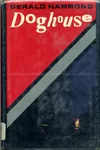
- Doghouse (1992): John investigates the suspicious, seemingly accidental death of a wildlife artist, who also happens to be the uncle of his partner, Beth. The investigation uncovers long-buried secrets dating back to the 1960s.
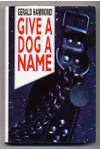
- Give a Dog a Name (1992): When a wounded spaniel and fabricated photos threaten the hard-earned reputation of the Three Oaks Kennel, John is forced into action to expose the saboteurs.
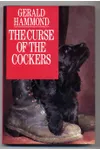
- The Curse of the Cockers (1994): A hit-and-run incident linked to a terrified cocker spaniel draws Cunningham into a complex investigation where canine instincts prove key to solving the crime.
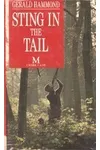
- Sting in the Tail (1994): John untangles another mystery high in the Scottish hills, where local poaching, land rivalries, and gun-dog field trials collide.
- Mad Dogs and Scotsmen (1995): Cunningham's own car is stolen with a valuable black Labrador and a prized shotgun inside. When the dog's owner disappears and a body is found near a burned-out vehicle, John must track down the thief.
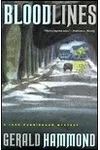
- Bloodlines (1996): When the abrasive Ben Garnet is left for dead, suspicions arise. Garnet had recently accused John's champion spaniel, Horace, of sireing an unwanted litter, bringing the motive close to home.
- Twice Bitten (1998): John uncovers a dog-switching scheme involving a spaniel named Mim who goes from untrainable to field-trial champion overnight, sparking an investigation into blackmail and murder.
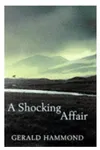
- A Shocking Affair (1999): John, Beth, and veterinarian Isobel Kitts team up to investigate another rural mystery where modern motives disrupt traditional Highland life.
- Dogsbody (1999): Cunningham agrees to help bury a neighbor's dog, but the body is stolen. Soon after, a woman's body is found in the ashes of a burned-out cottage, sparking a chilling arson investigation.
- Dead Weight (2000): When a local village woman is found drowned, a friend and associate of John becomes the prime suspect. John must dig through village gossip to find the truth.
- Illegal Tender (2001): The final novel in the series shifts focus toward a complex agricultural scam and financial fraud, showing that crime in the Highlands isn't always cozy.
Chronological Order vs. Publication Order
There are no prequels or timeline jumps in the Three Oaks series, meaning the chronological order aligns perfectly with the publication order. Reading them chronologically guarantees that you see John's kennel grow from a struggling new business into a respected Highland institution, while his personal relationships and his pack of spaniels grow alongside it. While each book features a self-contained mystery that can technically be read as a standalone, starting from the beginning enhances the overall experience.
What to Know Before You Start
Gerald Hammond's mysteries are celebrated for their highly authentic details about gun-dog breeding, field trials, and obedience training. Hammond himself was a retired Scottish architect with a deep, lifelong passion for shooting and working spaniels. This real-world expertise shines through in every chapter; the dogs in these books are not just cuddly sidekicks, but active, working characters whose behavior and instincts are grounded in true dog-training lore.
Readers should expect a unique blend of cozy village mystery elements and realistic, sometimes rugged, descriptions of outdoor pursuits and firearms. If you enjoy traditional whodunits but want a fresh, outdoorsy setting filled with authentic Scottish color and canine charm, this series is the perfect escape.