
How to Read the Thrush Green Series
For readers seeking a peaceful escape into the heartbeat of rural England, Miss Read’s Thrush Green series offers a gentle, nostalgic sanctuary. Set in a fictional village in the Cotswolds, this 13-novel series captures the lives, gossip, and changing seasons of a tight-knit community. Unlike many modern book series with complex chronological shifts or sprawling spin-offs, navigating Thrush Green is wonderfully straightforward: the best way to experience the village is by following its publication order.
Reading the books in the order they were written allows you to witness the natural aging of the characters, the subtle shift in decades from post-war simplicity to the edge of modernity, and the recurring community events—like the annual May Day fair or the winter gatherings—that anchor the series. While each book contains enough context to be enjoyed as a standalone, reading them sequentially guarantees the most rewarding journey through this charming village green.
The Complete Thrush Green Reading Order
Below is the chronological and publication sequence for the primary novels, including the non-fiction companion book and key omnibus details to guide your collection.
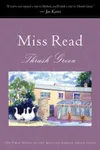
Thrush Green (1959)
The novel that started it all takes place over the course of a single, pivotal day: May Day. The arrival of a traveling fair acts as a catalyst for the entire village, introducing readers to key figures like the grumpy sexton Albert Piggott, the warm-hearted Doctor Bailey, and the independent Ella Bembridge. It is the perfect, low-stress entry point to the community.
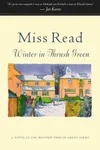
Winter in Thrush Green (1961)
As winter settles over the Cotswolds, the village prepares for a statue to be erected in honor of a local benefactor. The arrival of a handsome new neighbor, Harold Shoosmith, stirs up curiosity, gossip, and romantic possibilities among the residents.
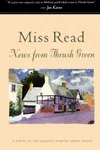
News from Thrush Green (1970)
After a nearly decade-long publishing hiatus for the series, Miss Read returns to the village. The plot centers on new tenants moving into Tullivers, a local cottage, sparking fresh dynamics, neighborly rivalries, and romantic intrigues, particularly involving the spinster sisters Ella and Dimity.
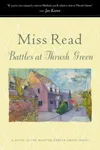
Battles at Thrush Green (1975)
Progress and change threaten the peaceful village when plans are introduced to build new housing on the beloved village green. The community rallies to protect their shared space, highlighting themes of preservation and local resilience.
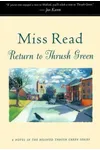
Return to Thrush Green (1978)
Familiar faces return to their childhood home, bringing old memories and new challenges. The story focuses on family legacies, the wisdom of the older generation, and the comfort of returning to one's roots.
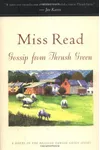
Gossip from Thrush Green (1981)
Whispers and misunderstandings ripple through the neighborhood as several residents face personal milestones. Miss Read uses her signature gentle humor to explore how small-town gossip can both complicate and ultimately strengthen neighborly bonds.
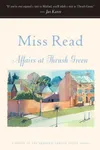
Affairs at Thrush Green (1983)
This entry focuses on the romantic entanglements and social matches brewing among the villagers. From blossoming young love to mature companionship, the changing seasons mirror the emotional lives of the residents.
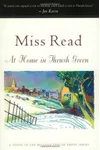
At Home in Thrush Green (1985)
A sense of contentment and daily routine takes center stage as the villagers navigate retirement, new hobbies, and the simple pleasures of country life, though a few minor disruptions keep things lively. (Note: Some US editions list the publication year as 1986.)
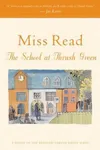
The School at Thrush Green (1987)
Focus shifts to the local primary school, exploring the lives of the teachers, the mischief of the students, and the crucial role the schoolhouse plays as the heart of the village community.
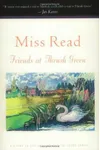
Friends at Thrush Green (1990)
The passage of time becomes more pronounced as long-time residents support each other through the challenges of aging, demonstrating the deep-rooted friendships that define the series. (Note: Some US editions list the publication year as 1991.)
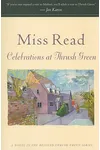
Celebrations at Thrush Green (1992)
The village prepares for a grand celebration marking the centenary of the local primary school. It serves as a beautiful reflection on the history, legacy, and enduring spirit of the Cotswold community.
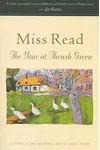
The Year at Thrush Green (1995)
Written to showcase the passage of all twelve calendar months, this novel starts in a freezing January and follows the community through the agricultural and social cycles of the year, bringing a sense of completion to the main storyline. (Note: Some US editions list the publication year as 1996.)
Christmas at Thrush Green (2009)
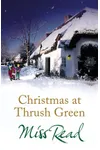
Published years after Miss Read's retirement, this final book was co-authored with her editor, Jenny Dereham. It functions as a festive epilogue or coda to the series, wrapping the village in a nostalgic holiday glow. The plot follows local dramas like a chicken pox outbreak threatening the children's Nativity play and the eccentric antics of Ella Bembridge.
The Non-Fiction Companion Book
In addition to the thirteen primary novels, Miss Read published a companion guide for dedicated fans:
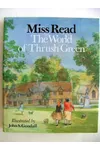
- The World of Thrush Green (1988): This guide provides a detailed overview of the characters, a map of the fictional village, and an exploration of the real-world inspirations behind the stories. It is enriched with classic illustrations by John S. Goodall.
What to Know Before You Start
Before diving into the series, here are a few practical insights to enhance your reading experience:
- Fairacre vs. Thrush Green: Miss Read (the pen name of Dora Jessie Saint) is equally famous for her Fairacre series. While both series share a cozy, rural Cotswold aesthetic, they do not cross over. Fairacre is narrated in the first person by a schoolmistress, whereas Thrush Green is written in the third person, allowing readers to jump between the perspectives of various villagers.
- The Real-Life Inspiration: Dora Saint based the village of Thrush Green on Wood Green, a small hamlet near Witney in Oxfordshire, where she lived during World War II. Strolling through Wood Green today reveals the golden Cotswold stone cottages and the open green space that inspired the novels.
- John S. Goodall's Illustrations: The cozy atmosphere of the books is greatly enhanced by the beautiful line drawings of John S. Goodall, whose artwork became synonymous with the visual identity of Miss Read's worlds.
- Co-Authorship in the Finale: Christmas at Thrush Green (2009) was written in collaboration with Saint's long-time editor, Jenny Dereham. In the book's acknowledgments, Saint noted that because of her advanced age, she and Dereham developed the plot together, while Dereham handled the actual writing, maintaining the series' signature tone.
Omnibus Collections
If you are looking to purchase physical copies of the books, they have frequently been compiled into convenient omnibus editions. The most common collections include:
- Life at Thrush Green (1984): Collects the first three novels (Thrush Green, Winter in Thrush Green, and News from Thrush Green).
- More Stories from Thrush Green (1985): Collects the next three books (Battles at Thrush Green, Return to Thrush Green, and Gossip from Thrush Green).
- Farewell, Thrush Green (2000): An omnibus edition containing the two final novels of the main era: Celebrations at Thrush Green and The Year at Thrush Green.